24.5
PDI
14.6 mi
DISTANCE
4,498 ft
GAINED
5.2 %
AVG. GRADE
FULL CLIMB STATS
INTRO
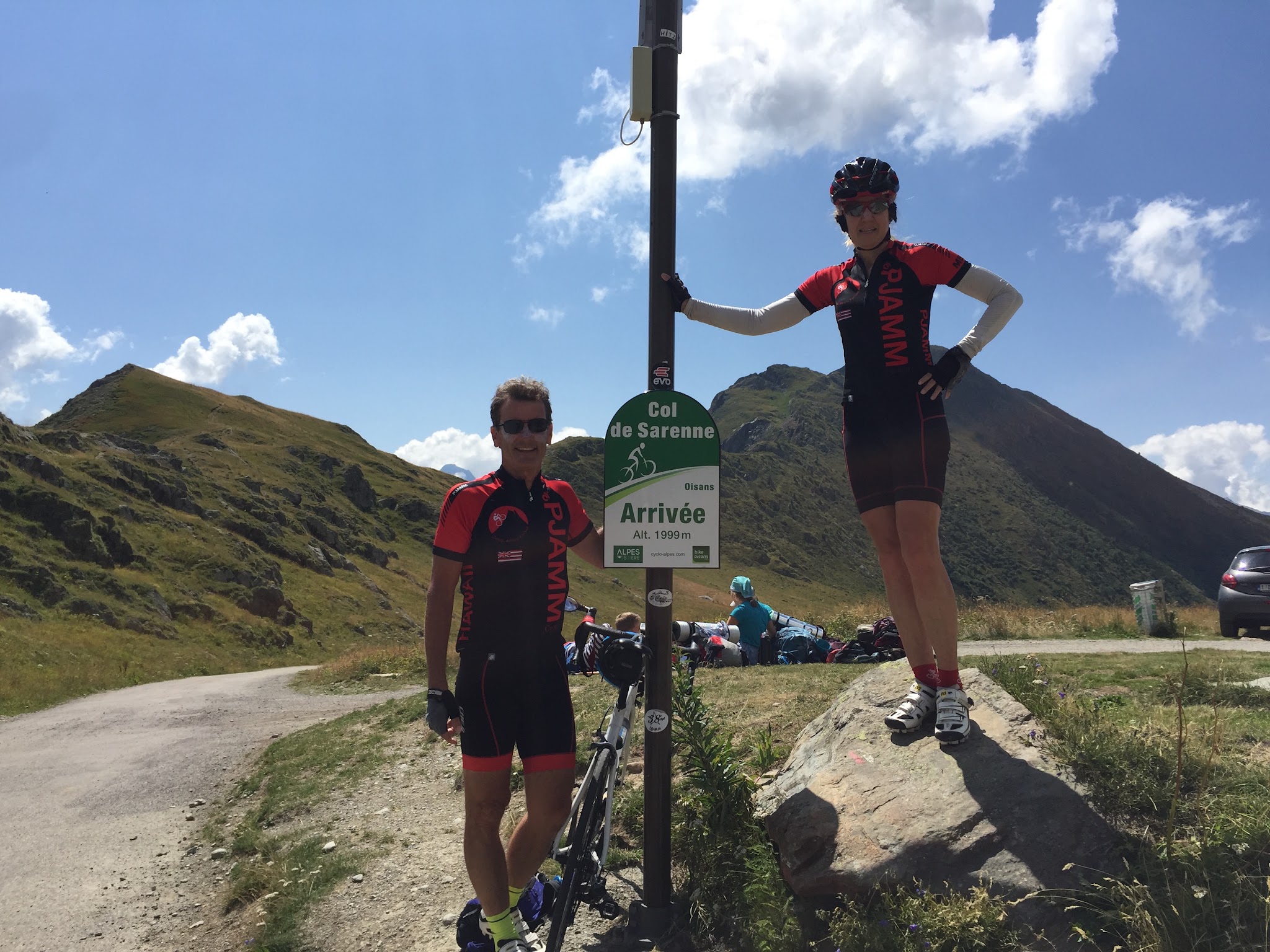
Col de Sarenne (Le Bourg-d'Oisans) climbs 23.5 km (14.6 mi) from the valley floor at Le Bourg-d'Oisans, gaining 1,371 m (4,498 ft) at an average grade of 5.2% to reach the pass at 1,871 m (6,140 ft). The route follows the D211 up the famous 21 hairpins to Alpe d'Huez before continuing past the resort on the quieter Route du Col de Sarenne to the summit.
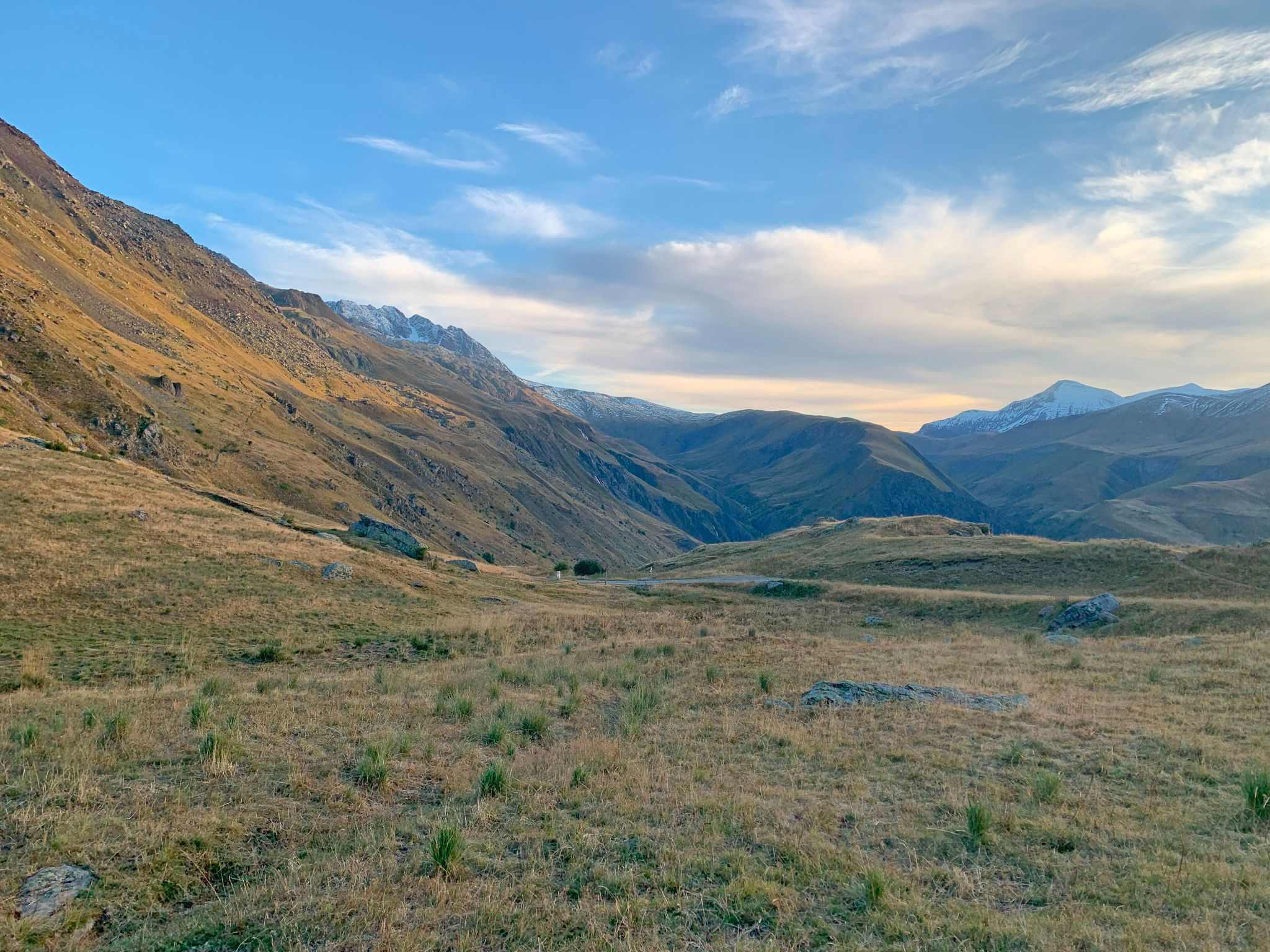
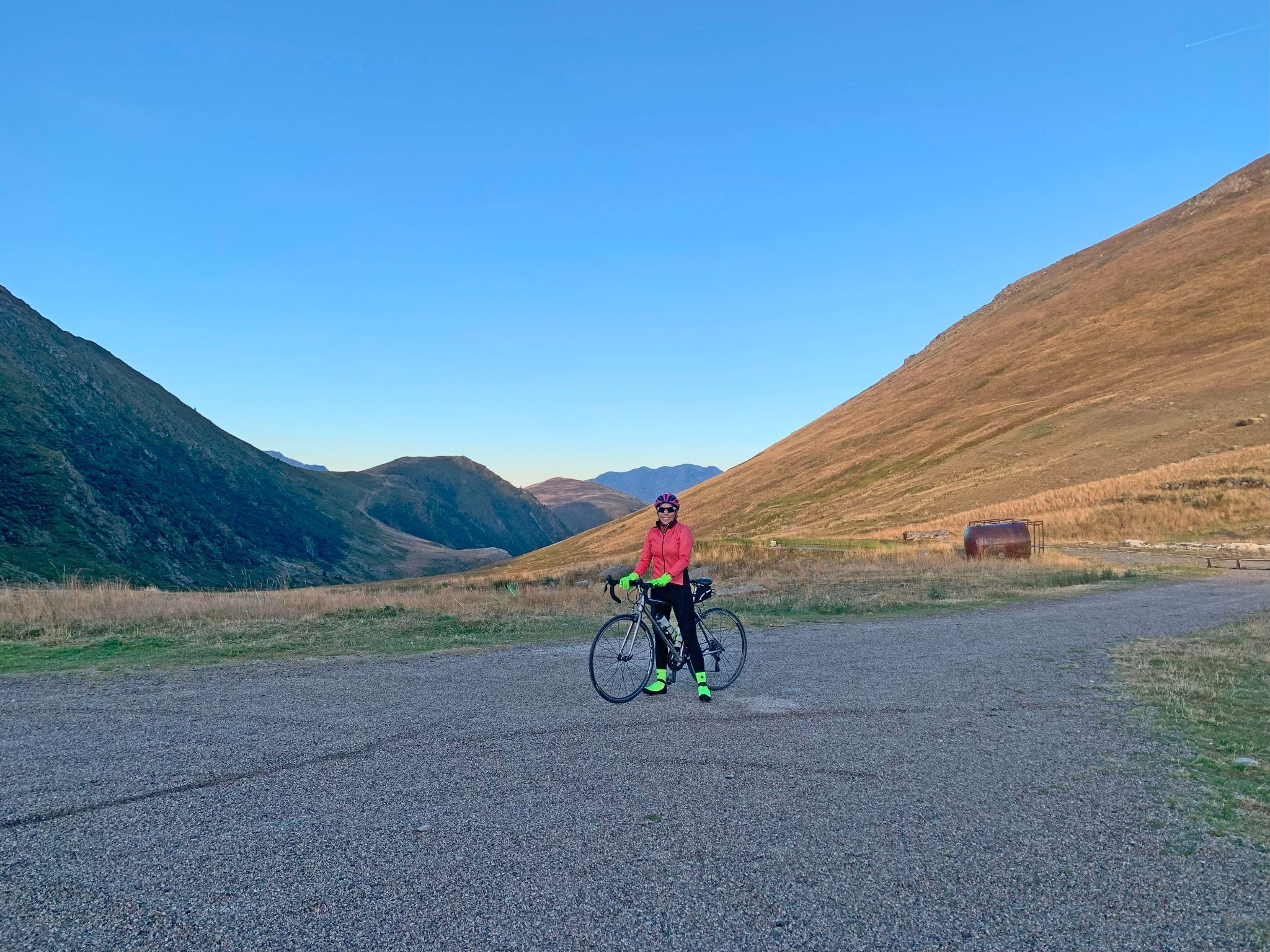
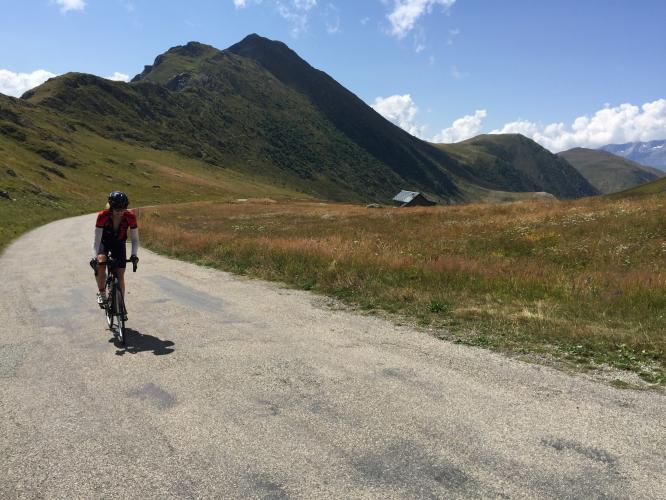
The character of the ride changes completely once you pass Alpe d'Huez. The lower slopes are wide, smoothly paved, and often busy with tour buses and other cyclists chasing the same 21 bends; the final kilometers to Sarenne are narrow, exposed, and largely empty - a wild, high-altitude moorland in stark contrast to the resort below. The grade is uneven rather than steady, with several ramps near 9-10% mixed between flatter, rolling stretches.
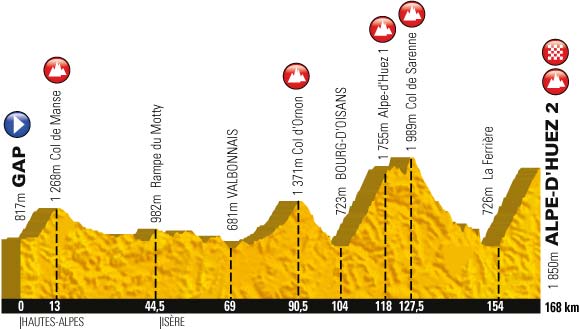
This is the connector road that made cycling history in 2013, when the Tour de France climbed Alpe d'Huez twice in the same stage for the first time, crossing Col de Sarenne between the two ascents. Christophe Riblon won that stage, later calling the victory "life-changing." The Tour returned to Sarenne in 2026 for Stage 20, this time climbing the pass from the opposite direction to reach Alpe d'Huez - the first time the race used the full ascent of the Sarenne. Landslides briefly closed the road in late June 2026, but it reopened in early July, well ahead of the stage.
PLAN YOUR ROUTE
 We've partnered with Sherpa-Map.com to bring you the best route planning tool. With a PRO Membership you can use this climb as a reference when creating your route.
 Col de Sarenne (Le Bourg-d'Oisans) averages 5.2% over 23.5 km (14.6 mi), gaining 1,371 m (4,498 ft) from 652 m (2,138 ft) at Le Bourg-d'Oisans to 1,871 m (6,140 ft) at the pass.
That average hides a very uneven profile. The lower slopes up through Alpe d'Huez's 21 hairpins hold a fairly consistent 8-9%, while the final stretch beyond the resort to Sarenne rolls up and down repeatedly - the route includes roughly 151 m (497 ft) of net descent mixed into the overall climb.
The steepest 100 meters average 11.2%, and even the steepest 5 km stretch of the route holds at 8.8%, so there's no single defining wall so much as a long string of shorter ramps.
Expect the final kilometers past Alpe d'Huez to feel harder than the numbers suggest, both from the accumulated fatigue of the lower climb and from the repeated short, sharp rises near the pass.
Roadway: The lower climb up to Alpe d'Huez follows the D211, a wide, smoothly paved road - see our Alpe d'Huez climb page for the full detail on that stretch. Past the resort, the Route du Col de Sarenne narrows considerably and the surface turns patchy in places, with visible repairs and rough sections typical of a high, lightly trafficked mountain road. Landslides briefly closed the road in late June 2026 after heavy storms; it was cleared and reopened by early July, in time to host the 2026 Tour de France's Stage 20 later that month.
Traffic: Traffic on the Alpe d'Huez portion can be heavy in summer with tour buses, motorhomes, and other cyclists - see our Alpe d'Huez page for detail on that stretch. Beyond the resort, traffic drops to almost nothing; this is one of the quietest paved high-mountain roads in the Oisans.
Parking: Most riders start from Le Bourg-d'Oisans, where roadside parking is available near the base of the D211. There's no need to arrange parking near the pass itself - the road beyond Alpe d'Huez has minimal traffic and no dedicated lots.
The lower climb to Alpe d'Huez is a sustained 8-9% grind, and the uneven final kilometers to Sarenne stack repeated short, steep ramps on top of that fatigue - a compact crankset (34/50) with a wide-range cassette (30-32t low gear) is a sensible choice for most riders.
Alpe d'Huez itself has full services (shops, cafes, water) at the ski resort, but there's nothing beyond it on the way to Sarenne, so top off bottles and food before continuing past the village. The exposed high moorland near the pass can be windy and noticeably cooler than the valley floor, even in summer.
Before heading out on any cycling adventure check out our Things to Bring on a Cycling Trip and use our interactive check list to ensure you don't forget anything.
Le Bourg-d'Oisans is one of the great cycling base towns in the Alps, with the Col du Galibier, Col de la Croix de Fer, and Col du Glandon all within reach for a multi-day trip - see our Alpe d'Huez climb page for more on the town itself.
What makes the Sarenne extension worth the detour is the contrast: after the crowds and switchbacks of Alpe d'Huez, the road beyond the resort feels like a different country - wide open, wind-scoured, and often nearly empty even in peak season.
Conditions can change quickly at this altitude, so check current conditions at the pass with our Weather tool before heading up past the resort.
The road is only reliably open from late spring/early summer through early fall, and it's subject to occasional storm-related closures given its exposure, as happened briefly in June 2026 - check current conditions before a trip outside the height of summer.
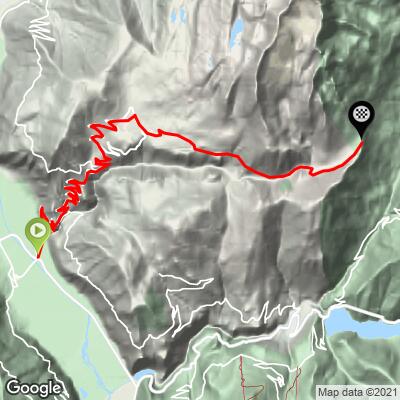
ROUTE MAP
MEMBER RATING
CURRENT WEATHER
PJAMM TRIPS ADVENTURE STARTER BUNDLES
Check out PJAMM Adventure's prepackaged (self-guided) cycling trips. They will help you plan, document and conquer your next adventure.
NEARBY CLIMBS (0) RADIAL PROXIMITY
FROM No Climbs Found
MEMBER REVIEWS & COMMENTS
Let us know what you thought of this climb. Signup for our FREE membership to write a review or post a comment.
Already have an account?
LOG IN HERE