28.3
PDI
8.8 mi
DISTANCE
3,901 ft
GAINED
8.2 %
AVG. GRADE
FULL CLIMB STATS
INTRO
Col du Lein North climbs 14.1 km (8.8 mi) out of Saxon, a small apricot-growing town in Switzerland's Rhone Valley, gaining 1,189 m (3,901 ft) at an average grade of 8.2% on the way to a pass at roughly 1,670 m (5,478 ft) in the hills above Martigny.
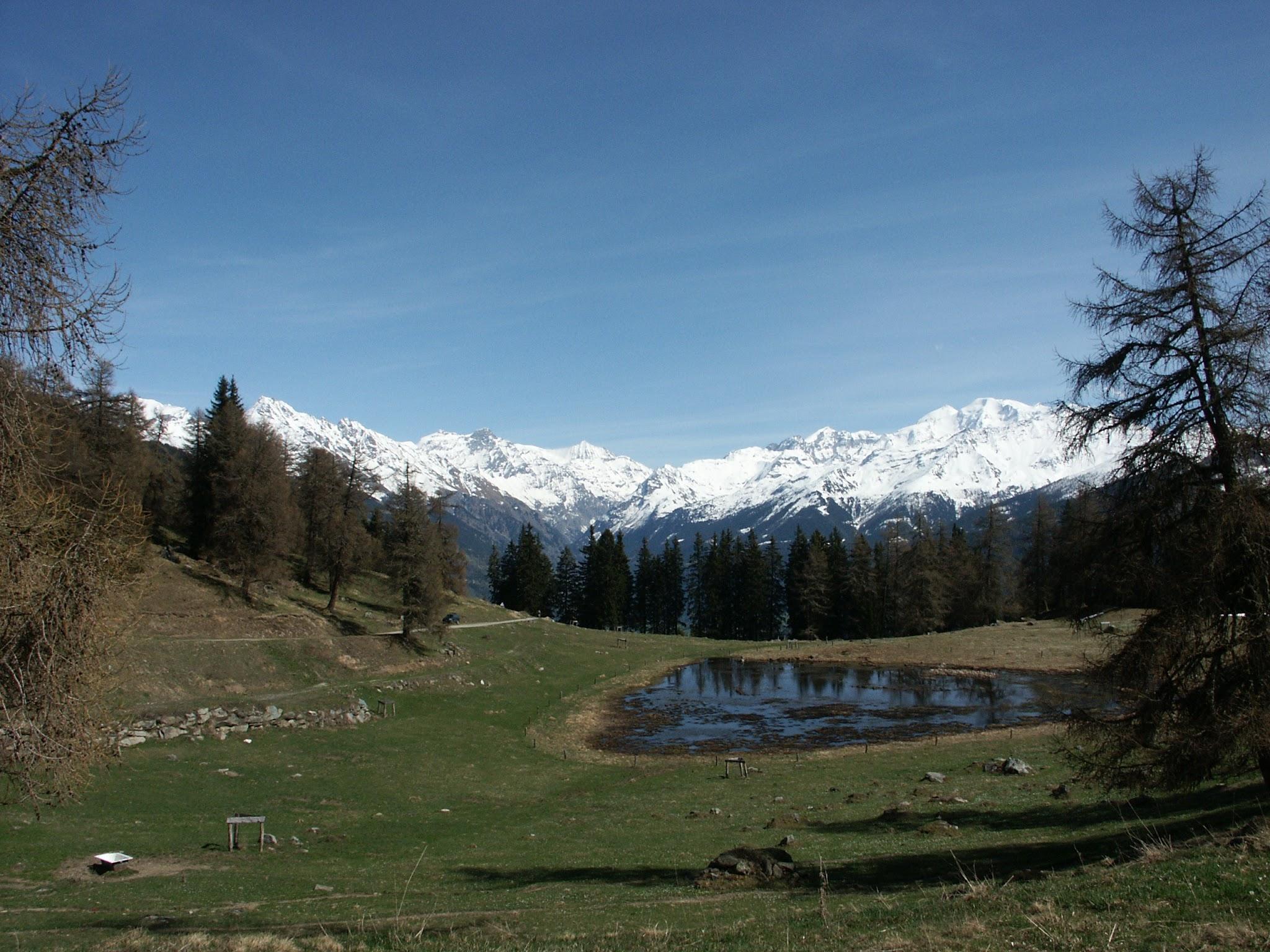
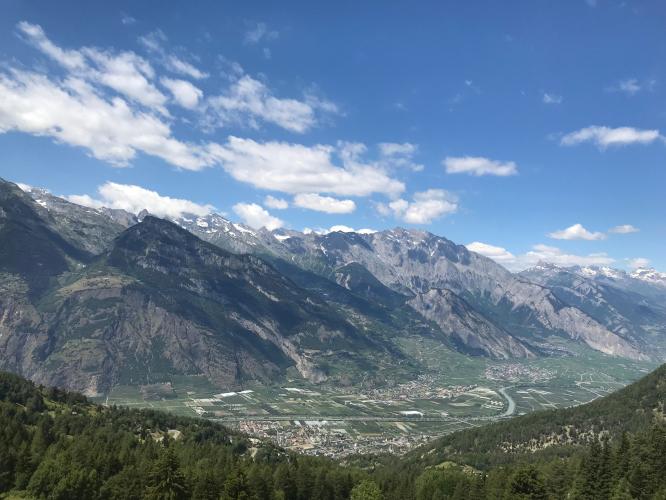
The road leaves Saxon's vineyards and apricot orchards almost immediately, narrowing into a quiet single-lane route that switchbacks up past the hamlets of Sapinhaut and l'Arbarey before opening into high pasture with views stretching across the Rhone Valley from Martigny to Sion. Traffic thins to almost nothing once you're clear of town. The final few hundred meters trade pavement for smooth, well-packed gravel - a fitting, slightly wild finish for a climb that stays well under the radar compared to Valais's better-known passes.
Col du Lein North is one of the signed "Legendary Alpine Passes" routes in the Valais cycling network, with waymarked signs guiding riders from the church in central Saxon. Beyond the summit, the road continues (unpaved) down into the Val de Bagnes toward Vollèges, though this page tracks the climb only to the col itself. As a lower-elevation pass, it's a good early- or late-season option when the region's higher cols are still snowbound - though it still typically closes with the first heavy snow and doesn't reliably reopen until late spring.
PLAN YOUR ROUTE
 We've partnered with Sherpa-Map.com to bring you the best route planning tool. With a PRO Membership you can use this climb as a reference when creating your route.
 Col du Lein North runs 14.1 km (8.8 mi) from Saxon to the pass, climbing 1,189 m (3,901 ft) at an average grade of 8.2%.
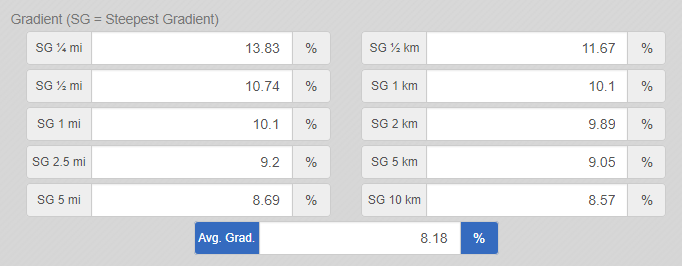
The steepest riding comes over short stretches rather than one single pitch: the steepest quarter-mile on the route averages 13.9%, and the steepest full mile averages 10.2%. Looking at longer windows, the steepest 5 km averages 9.2% and the steepest 10 km averages 8.7% - a sign that this is a climb of sustained, consistent steepness rather than one dominant ramp.
There's very little flat or downhill relief along the way - the route gains almost continuously from Saxon to the pass, which is part of what keeps the average this high over such a long climb.
Roadway: The road out of Saxon is paved for nearly its full length; the final several hundred meters below the pass switch to smooth, hard-packed gravel that's manageable on a standard road bike. Like most Valais passes at this elevation, Col du Lein North closes with the first heavy snow and doesn't reliably clear again until late spring - check current conditions before an early- or late-season attempt.
Traffic: Light. The road narrows and traffic drops to almost nothing within the first kilometer or two out of Saxon, and it stays quiet the rest of the way to the pass.
Parking: Riders typically start at the church in central Saxon, where a Valais cycling information post marks the beginning of the signed "Legendary Alpine Passes" route; free street parking is available around the village center.
Saxon's village center has grocery stores and cafes for a last resupply - there's nothing along the route itself until the pass, so fill bottles before you start climbing.
Before heading out on any cycling adventure check out our Things to Bring on a Cycling Trip and use our interactive check list to ensure you don't forget anything.
Saxon is Valais's apricot capital, with roughly 700 hectares of orchards producing the bulk of Switzerland's apricot crop; if your visit lines up with mid-July, the village's National Apricot Festival (held every other year) is worth timing a rest day around. The town's other quirk is its Grand Casino de Saxon, a 19th-century thermal-bath-turned-casino that closed in 2002 and reopened in 2010 as an events and concert venue - worth a look even if you're not there to gamble.
Martigny, about 10 minutes away by car or train, has the fuller range of hotels, bike shops, and restaurants for a multi-day trip based in the area; Saxon itself has its own train station on the Rhone Valley line for a car-free approach.
Col du Lein North sits close to several other Valais climbs - Col des Planches and Croix de Coeur are both within a few kilometers - so it's easy to pair with a nearby ascent on the same trip. See our Routes in the Area tool for other climbs nearby.
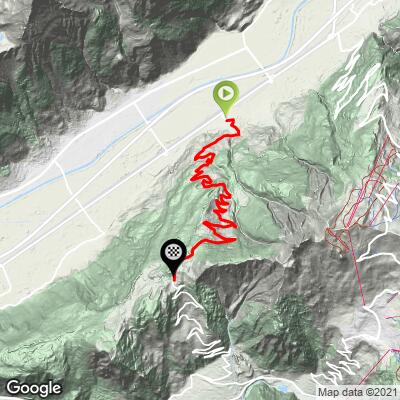
ROUTE MAP
MEMBER RATING
CURRENT WEATHER
PJAMM TRIPS ADVENTURE STARTER BUNDLES
Check out PJAMM Adventure's prepackaged (self-guided) cycling trips. They will help you plan, document and conquer your next adventure.
NEARBY CLIMBS (0) RADIAL PROXIMITY
FROM No Climbs Found
MEMBER REVIEWS & COMMENTS
Let us know what you thought of this climb. Signup for our FREE membership to write a review or post a comment.
Already have an account?
LOG IN HERE