39.9
PDI
11.2 mi
DISTANCE
5,292 ft
GAINED
8.8 %
AVG. GRADE
FULL CLIMB STATS
Page Contributor(s): Venancio Ferreira, Pomnta do Sol, Madeira, Portugal.
INTRO
This is the harder of the two routes up to Paul da Serra, Madeira's high volcanic plateau, and it's not close - at nearly 40 PDI and world rank #103, it's a clear step up from the island's other approach (world rank #139). The climb runs about 11.2 miles from near sea level at Estreito da Calheta to 5,173 feet, gaining 5,292 feet at an 8.8% average grade.
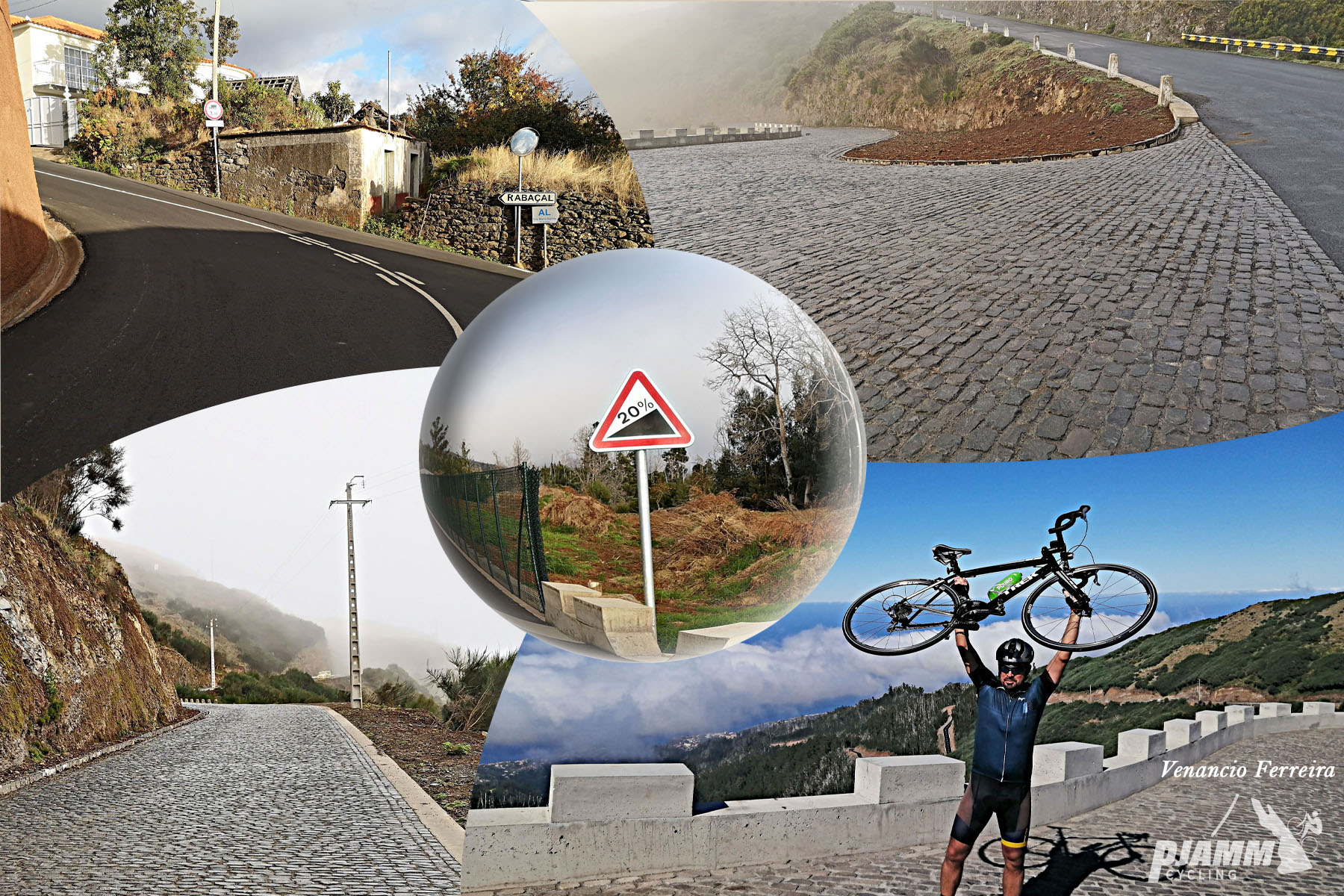
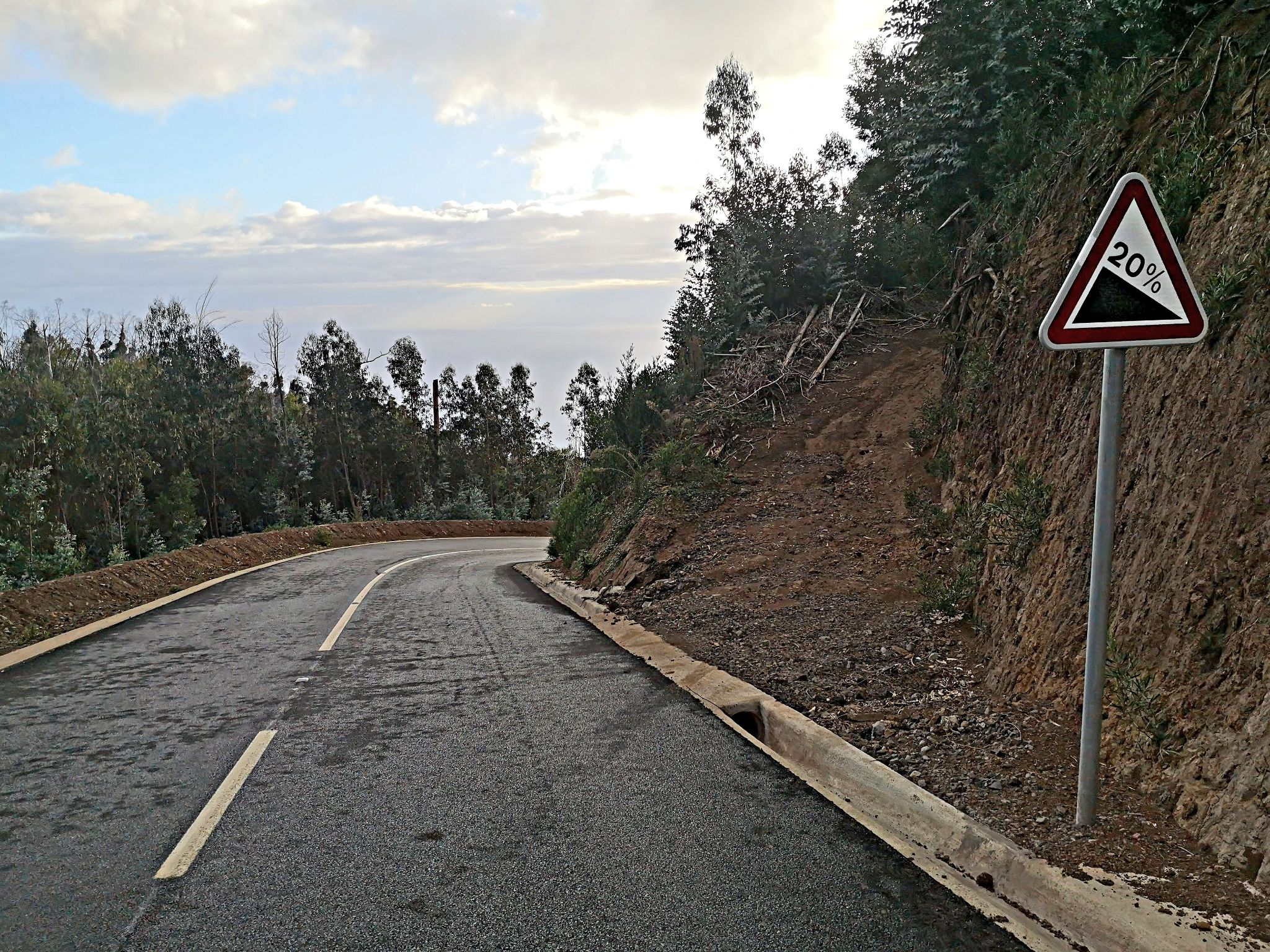
The first 9km will kick your butt. According to our data, the steepest 0.5 km averages 24.7%, a full kilometer averages 22.7%, and a 2 km stretch still averages 20.9% - with a 100-yard ramp hitting nearly 29%. One of our contributors, Venancio Ferreira, described riding through that section on a 34x32 low gear with his front wheel occasionally lifting off the pavement. But if you can survive the first half, the ride gets significantly easier to the finish.
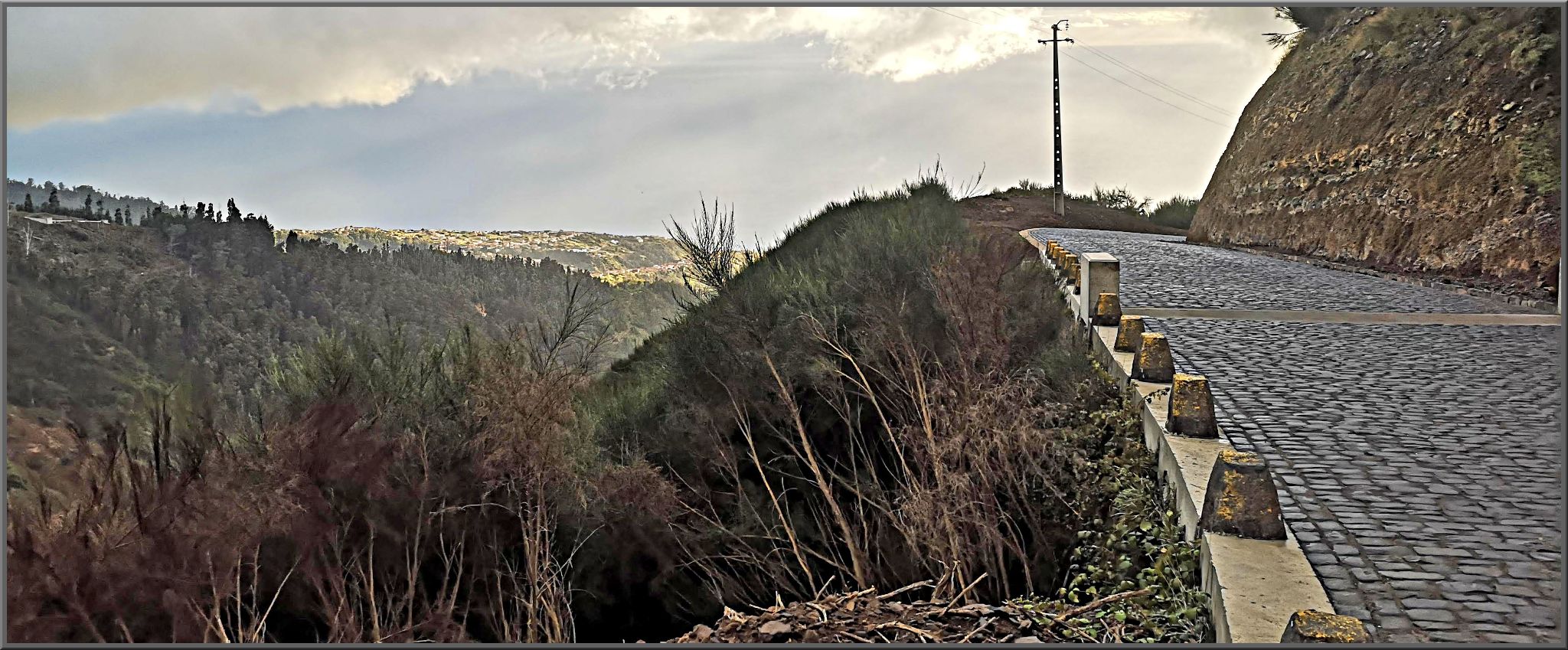
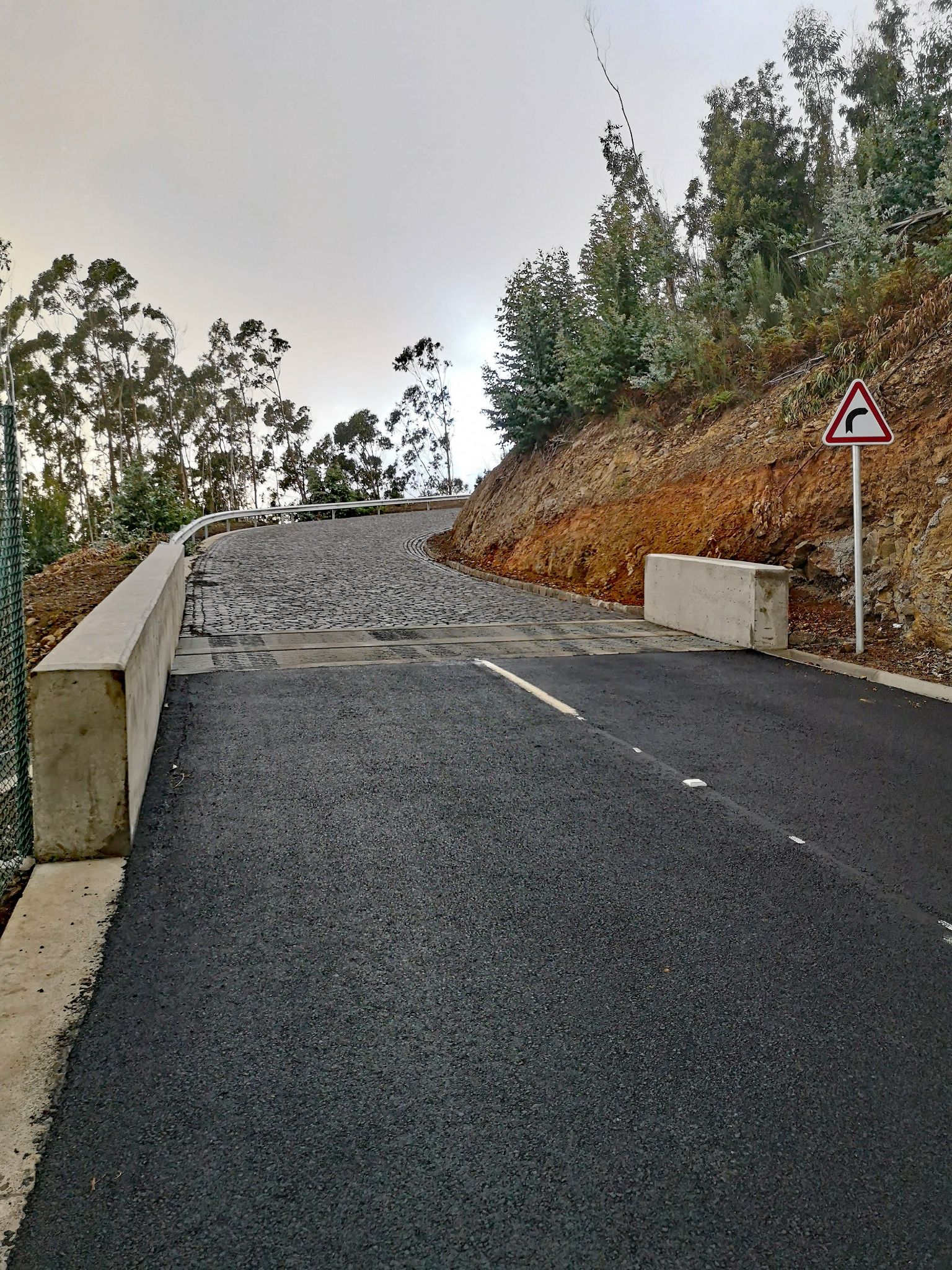
The final 1.5 km adds a cobblestone surface on top of continued double-digit grades, a detail confirmed by his July 2021 ride - worth expecting rough, vibration-heavy pavement right at the finish rather than a smooth close.
This climb rewards serious preparation and a genuine respect for what "toughest route up to Paul da Serra" actually means on this island.
PLAN YOUR ROUTE
 We've partnered with Sherpa-Map.com to bring you the best route planning tool. With a PRO Membership you can use this climb as a reference when creating your route.
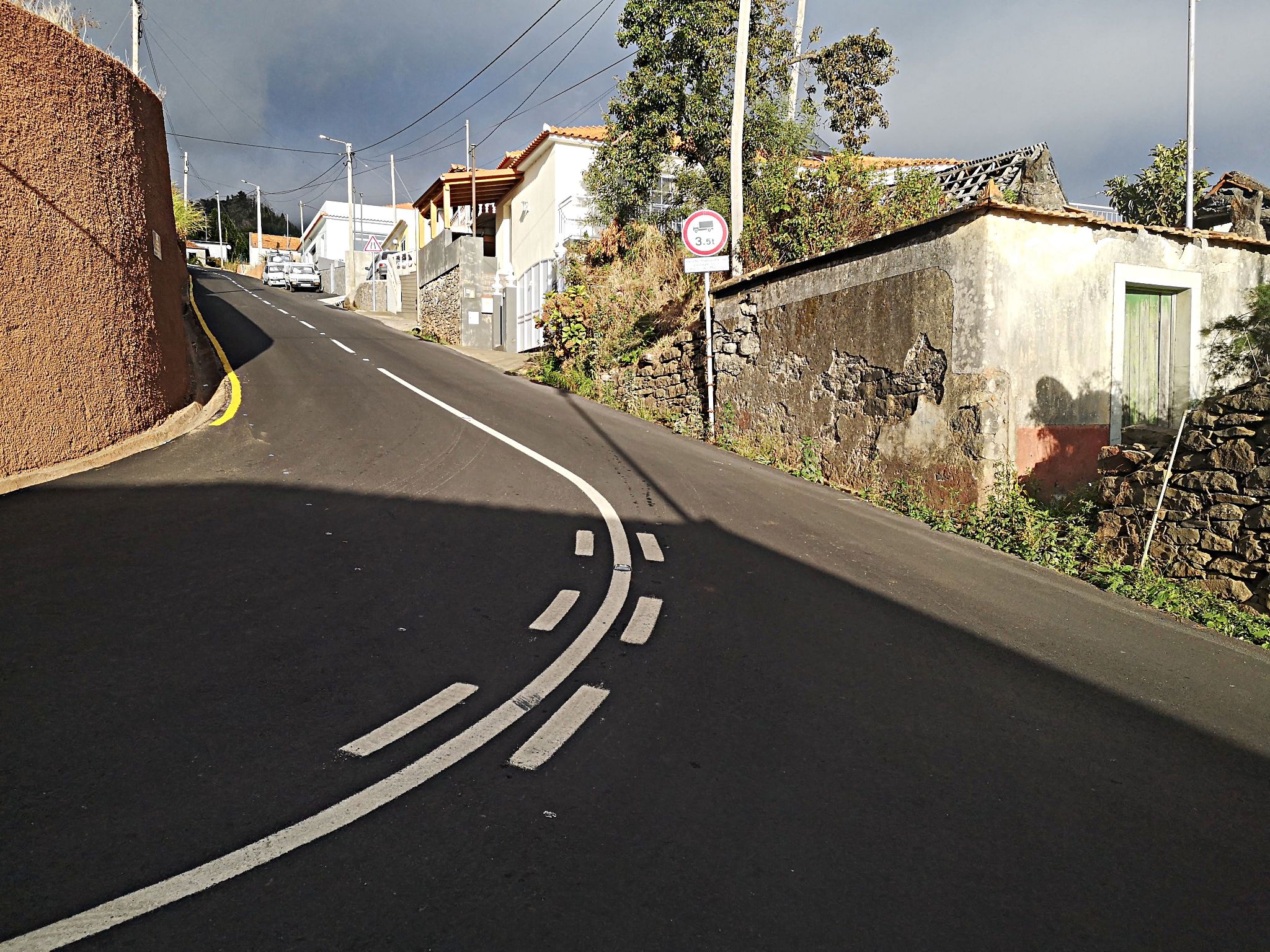
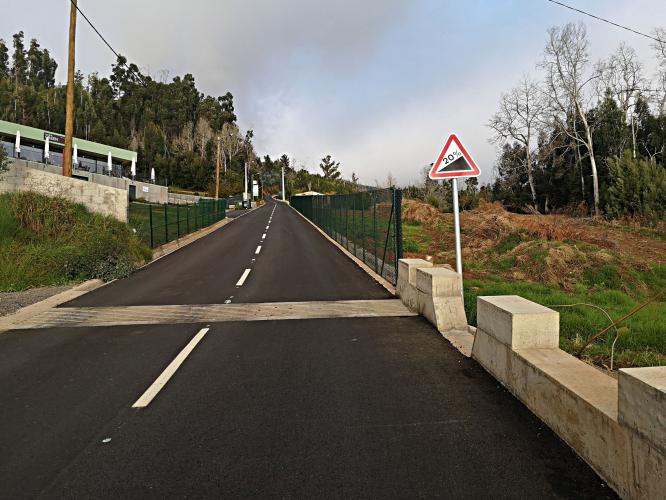
 The average grade of 8.78% hides how uneven this climb really is. The opening kilometers out of Estreito da Calheta start steep, around 12-13%, easing briefly around the second kilometer. From roughly the third kilometer on, the road turns brutal: our data shows the steepest 0.5 km averaging 24.7%, a full kilometer at 22.7%, and 2 km still averaging 20.9%, with a 100-yard ramp reaching nearly 29%.
A contributor who rode it described his front wheel lifting off the ground on the steepest ramps and having to zigzag across the road just to keep moving. The gradient eases somewhat in the final kilometers but never goes flat before the finish on the Paul da Serra plateau.
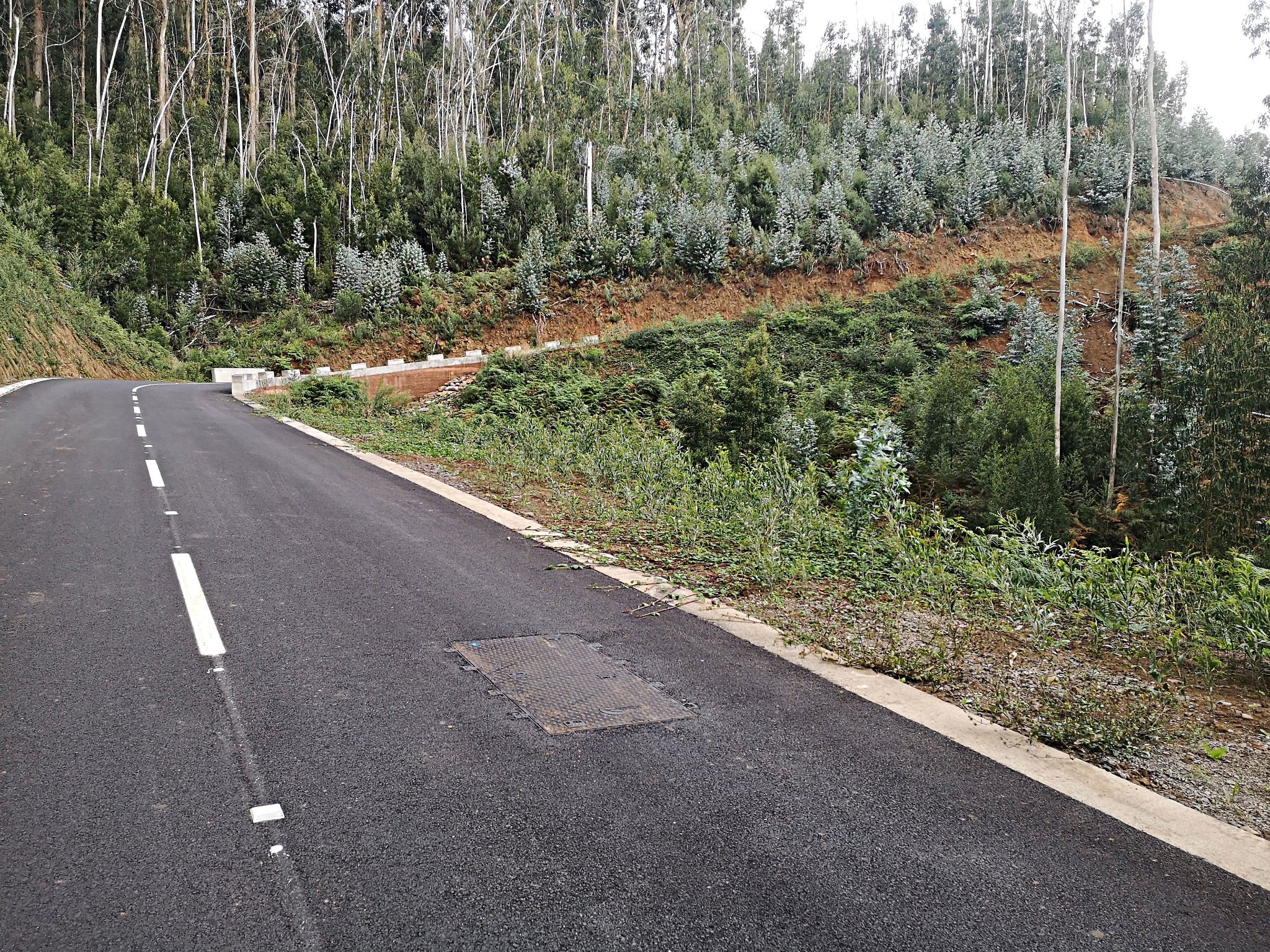
Roadway: Surface quality varies by section. The first kilometer, on the steepest opening ramps, has the roughest tarmac; the middle of the climb is on good asphalt. The final 1.5 km switches to cobblestone (still on double-digit grades), which one contributor described as uncomfortable and vibration-heavy - a small strip of concrete along the road's edge offers a smoother line in places. No 2026 closures or repair work were found for this road.
Traffic: This is a quiet, mostly local road with good visibility through the steep middle section and light traffic overall - one rider account specifically noted having room to zigzag across the lane on the steepest ramps without traffic being a concern.
Parking: Park in Estreito da Calheta or the nearby town of Calheta before starting - there's no dedicated climb parking area, and the road climbs immediately with no flat approach.
Bring the lowest gearing you have. With sustained ramps over 20% and short pitches near 29%, even strong climbers will want a compact crank paired with a wide-range cassette (34x32 or lower). One contributor, riding at around 81 kg, used a 34x32 for nearly the entire steep middle section and still had to fight to avoid stalling out.
Carry more water and gels than you think you'll need - there are limited services on the climb itself, though a small camping house roughly 2.5 km from the top has offered riders a quick water stop in the past. Temperatures near the coast can be warm even when the plateau above is cool and often shrouded in cloud, so pack a light layer for the finish.
Before heading out on any cycling adventure check out our Things to Bring on a Cycling Trip and use our interactive check list to ensure you don't forget anything.
Base yourself in Calheta or Estreito da Calheta on Madeira's southwest coast to start this climb close to your accommodation. This is one of the hardest climbs on the island, so treat it as the main event of the day rather than an add-on - between the sustained 20%+ ramps and the cobblestone finish, it demands full attention and fresh legs.
Madeira's plateau weather can shift quickly, with cloud and wind common at altitude even on a sunny coastal morning, so it's worth checking conditions at both the coastal start and the plateau finish with our Weather tool before heading out.
If you want to see how other climbs in the area compare, PJAMM also tracks a second, easier route up Paul da Serra with a lower average grade.
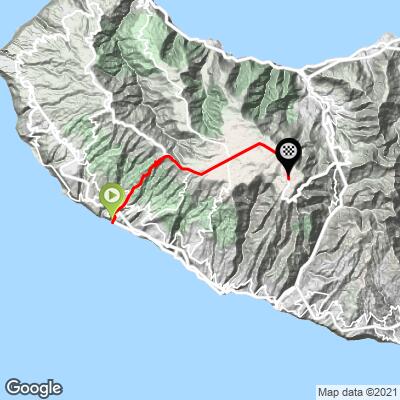
ROUTE MAP
MEMBER RATING
CURRENT WEATHER
PJAMM TRIPS ADVENTURE STARTER BUNDLES
Check out PJAMM Adventure's prepackaged (self-guided) cycling trips. They will help you plan, document and conquer your next adventure.
NEARBY CLIMBS (0) RADIAL PROXIMITY
FROM No Climbs Found
MEMBER REVIEWS & COMMENTS
Let us know what you thought of this climb. Signup for our FREE membership to write a review or post a comment.
Already have an account?
LOG IN HERE