22.7
PDI
12 mi
DISTANCE
3,910 ft
GAINED
6 %
AVG. GRADE
FULL CLIMB STATS
Page Contributor(s): Carl Hansen, Guernsey, UK
INTRO
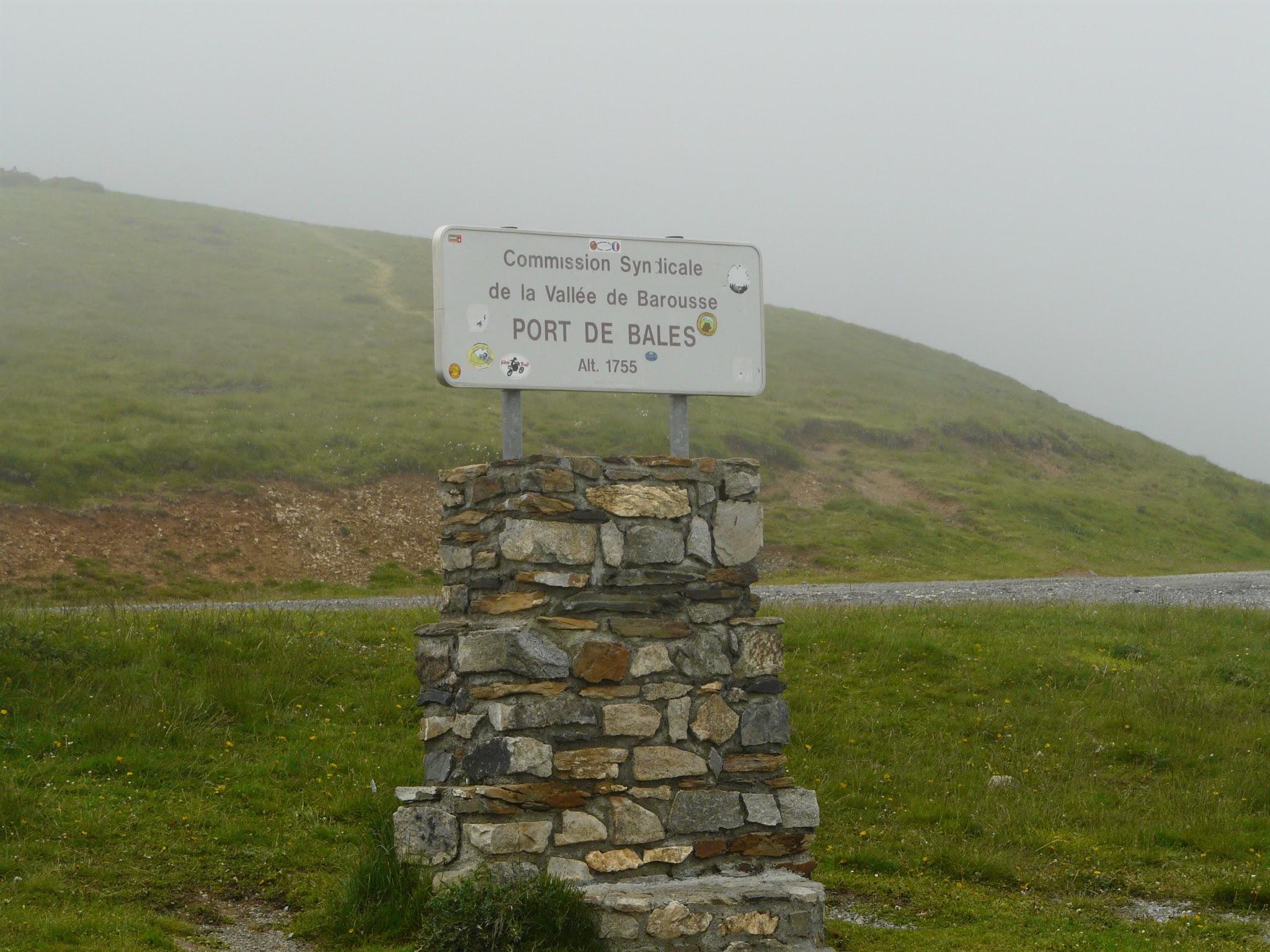
Port de Balès climbs 19.3 km (12.0 mi) from Mauléon-Barousse, gaining 1192 m (3,910 ft) at an average grade of 6.0% to the 1755 m (5,758 ft) pass between the Barousse valley and the Val d'Oueil above Luchon. This is the north side, and the headline average is misleading: the first 7 km (4.3 mi) average under 4%, so the real climb is closer to 12 km (7.5 mi) at over 7%, with the steepest kilometer at 12.6%.
For most of its history Balès wasn't a road at all. Until the early 1980s the north side was served only by a narrow track to the summer pastures; it was tarred in the 1980s, fell apart again through the 1990s, and was barely passable until it was resurfaced in 2006, partly at the Tour de France's urging. The Tour came over it for the first time the very next year, and it has been an hors catégorie climb in every Tour crossing since.
Balès is best known for 2010, when Alberto Contador attacked on these slopes just as race leader Andy Schleck dropped his chain, taking the yellow jersey by 39 seconds - the exact margin he later won the Tour by, before that title was stripped and awarded to Schleck. The Tour has crossed the col six times (2007, 2010, 2012, 2014, 2017 and 2020), and the Vuelta a España came over it in 2013.
PLAN YOUR ROUTE
 We've partnered with Sherpa-Map.com to bring you the best route planning tool. With a PRO Membership you can use this climb as a reference when creating your route.
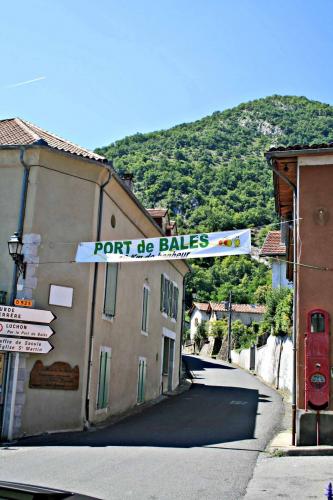
 From Mauléon-Barousse, Port de Balès climbs 19.3 km (12.0 mi) at a 6.0% average, gaining 1192 m (3,910 ft). That average includes a long, gentle approach: the first 7 km (4.3 mi) up the Barousse valley through Ferrère and the Chalets de Saint-Nérée average under 4%.
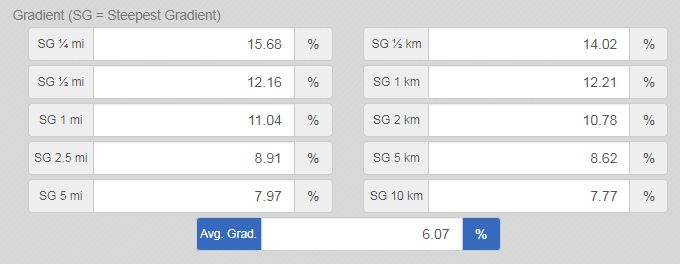
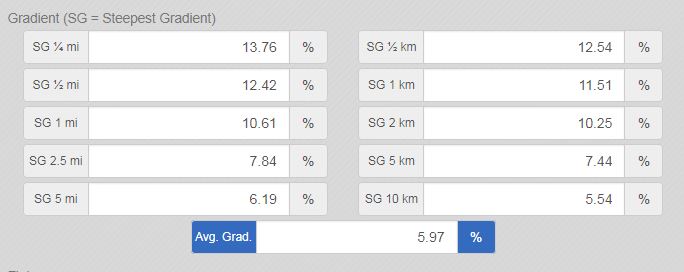
The climbing proper starts around km 7 and comes in waves, with short easier stretches that let you recover between steep ramps. The hardest section is the forest climb in the second half: from around km 14 to km 17 the grade averages over 9%, and the climb's steepest 2 km (1.2 mi) average 11.0%. The steepest kilometer averages 12.6%, the steepest half-kilometer 13.1%, and the steepest mile 11.5%.
You leave the trees for good around km 17, and the final 2 km (1.2 mi) across open pasture ease back to around 6-7% - by then the views over the Pyrenees make it easier to keep turning the pedals.
Roadway: Paved the entire way, but this is still a narrow mountain road rather than a main pass - single-lane in places, with limited sightlines through the forest. Surface quality has been uneven in rider reports over the years, with rougher patches between the Tour's periodic resurfacing, so watch for potholes and gravel on the descent. The pass is closed by snow for long periods in winter.
Traffic: Very light. Balès carries little through traffic, and rider reports consistently describe very few cars on the north side. In recent years the Hautes-Pyrénées' Pyrénées Cycl'n Trip program has also closed the road to motor traffic from 9 am to noon on one July morning each year, reserving it entirely for cyclists.
Parking: Mauléon-Barousse is a small village at the confluence of the two Ourse rivers; there's room to park around the village center near the start. If you'd rather skip some of the gentle approach, you can start higher up the valley toward Ferrère.
Don't be fooled by the flat start - the second half of this climb has several kilometers at or above 10%, so a compact crankset with a 30-32t low gear is the sensible choice. Much of the climb is shaded by forest, which helps on hot days, but the final few kilometers above the treeline are fully exposed.
There are no shops or cafes on the climb itself above Mauléon-Barousse, so fill bottles and bring food before you set off. The summit sits at 1755 m (5,758 ft) on an open ridge, so pack a wind layer for the descent, especially if you're continuing down the steep Val d'Oueil side toward Luchon.
Before heading out on any cycling adventure check out our Things to Bring on a Cycling Trip and use our interactive check list to ensure you don't forget anything.
The Barousse is one of the quietest valleys in the central Pyrenees, and Mauléon-Barousse makes a peaceful starting point compared with busier bases like Luchon or Loudenvielle. A short drive down the valley, Saint-Bertrand-de-Comminges and its hilltop cathedral are well worth a visit on a rest day.
For those looking to stay in the area we would recommend the Pyrenees Cycling Lodge. Located in the beautiful medieval village of Saint Savin and hosted by Mark & Niamh, the Lodge is run by cyclists for cyclists. It is a great location for any cycling adventure in the Pyrenees with several renowned climbs within 100km of the property and 6 Tour de France climbs within 15km. Visit their website or contact them directly at pyreneescyclinglodge@gmail.com .
Balès links naturally with the Col de Peyresourde: descend the south side to the foot of the Peyresourde below Saint-Aventin and you're set up for one of the Tour's classic Pyrenean pairings. Our Routes in the Area tool shows the other climbs within reach.
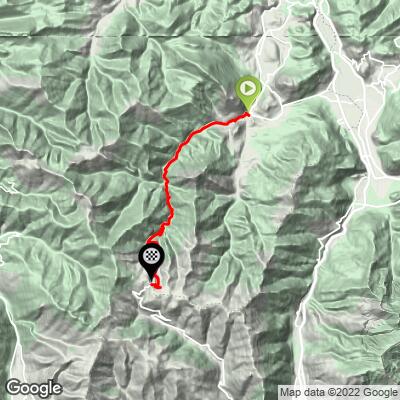
ROUTE MAP
MEMBER RATING
CURRENT WEATHER
PJAMM TRIPS ADVENTURE STARTER BUNDLES
Check out PJAMM Adventure's prepackaged (self-guided) cycling trips. They will help you plan, document and conquer your next adventure.
NEARBY CLIMBS (0) RADIAL PROXIMITY
FROM No Climbs Found
MEMBER REVIEWS & COMMENTS
Let us know what you thought of this climb. Signup for our FREE membership to write a review or post a comment.
Already have an account?
LOG IN HERE