30.5
PDI
21.4 mi
DISTANCE
5,720 ft
GAINED
5.1 %
AVG. GRADE
FULL CLIMB STATS
Page Contributor(s): Ard Oostra, Montreux, Switzerland
INTRO
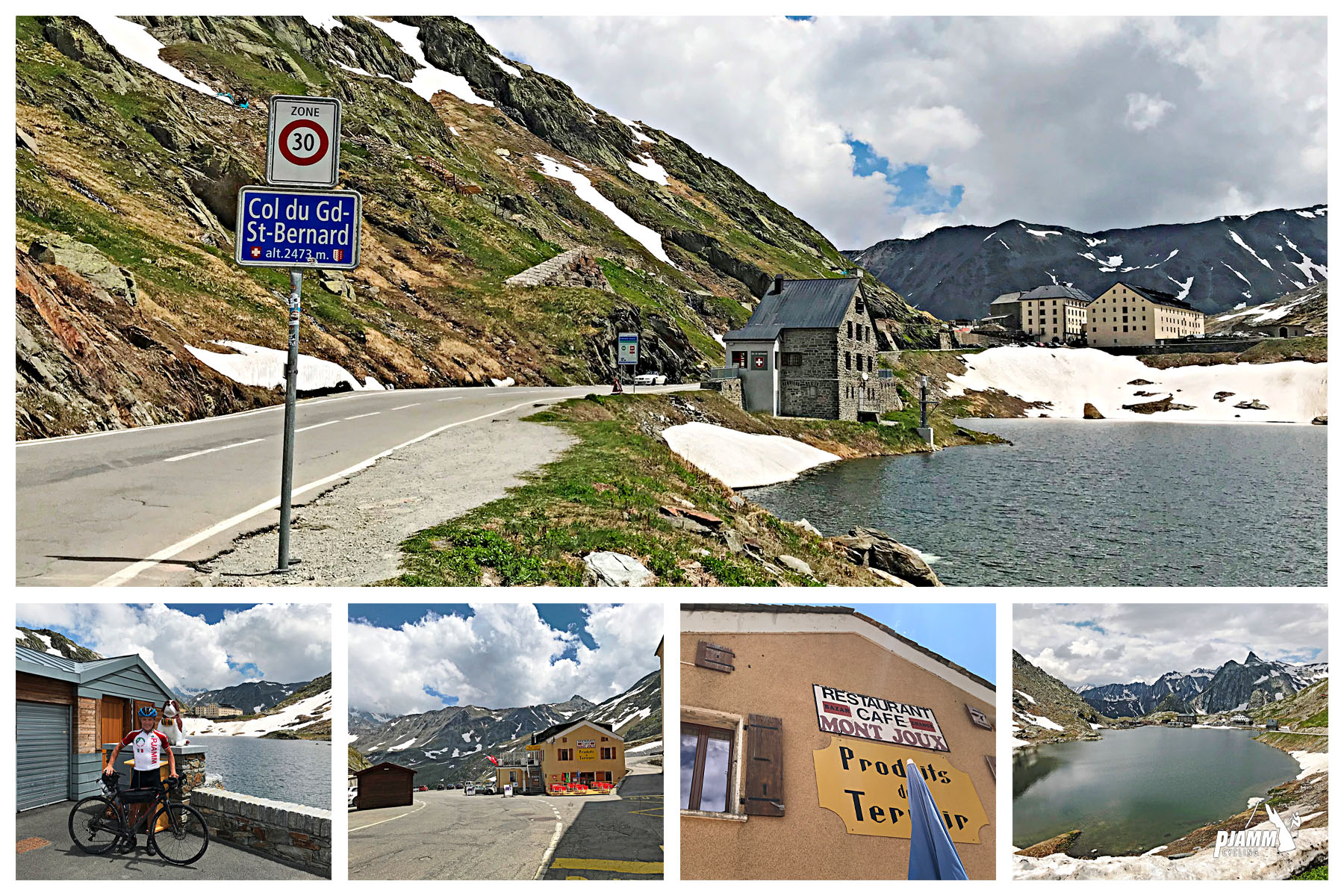
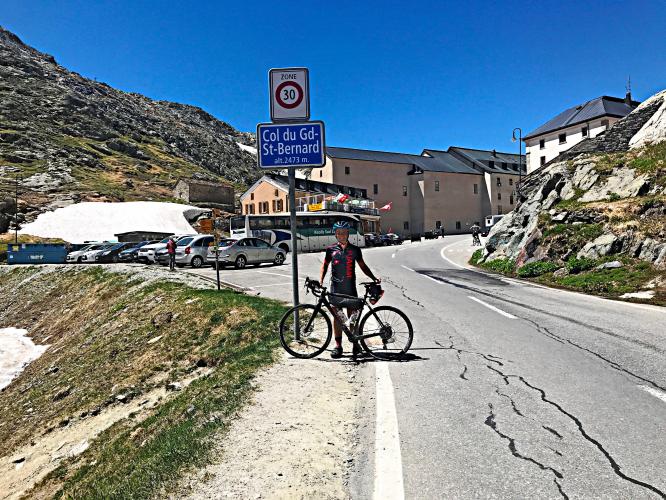
Colle del Gran San Bernardo is the Italian-side ascent of the Great St. Bernard Pass, climbing 5,720 ft over 21.4 miles from Aosta to the Swiss border at 5.1% average - a long, steady Alpine grind rather than a series of brutal ramps. The pass sits on the ridge between Mont Blanc and Monte Rosa and has been a crossing point between Italy and Switzerland since well before the Roman era.
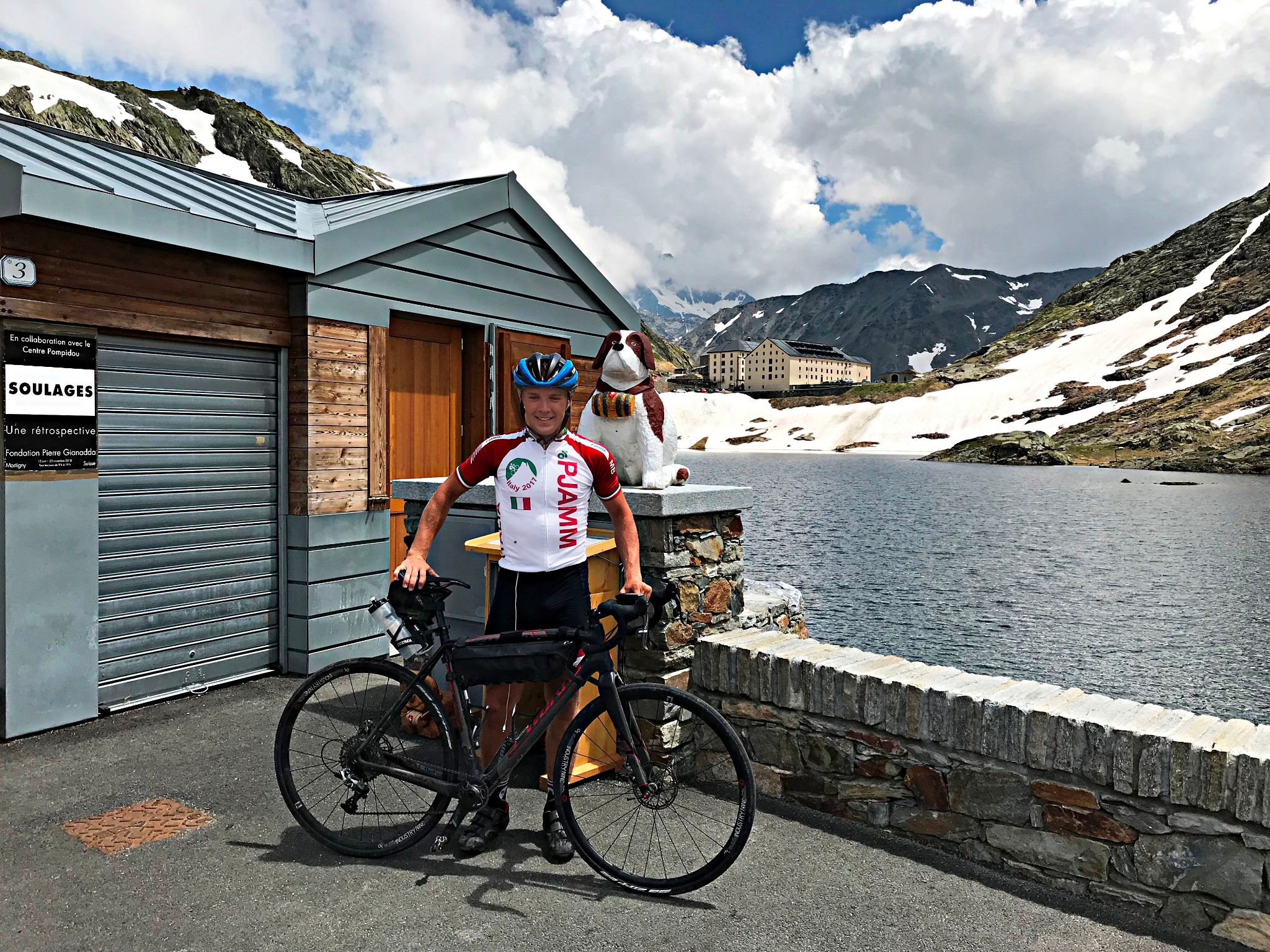
The road climbs out of Aosta through the Valle del Gran San Bernardo, passing through Gignod and the villages of Saint-Rhémy-en-Bosses and Saint-Oyen before the final push to the border. It's a working two-country route with real history attached: Julius Caesar's general Servius Galba tried to force the pass in 57 BC, Napoleon marched 40,000 troops over it in 1800 on his way to Marengo, and the Tour de France has crossed it five times. The pass takes its name from the hospice built here in 1049 by Saint Bernard of Menthon - the same order of monks that later gave the world the Saint Bernard rescue dog.
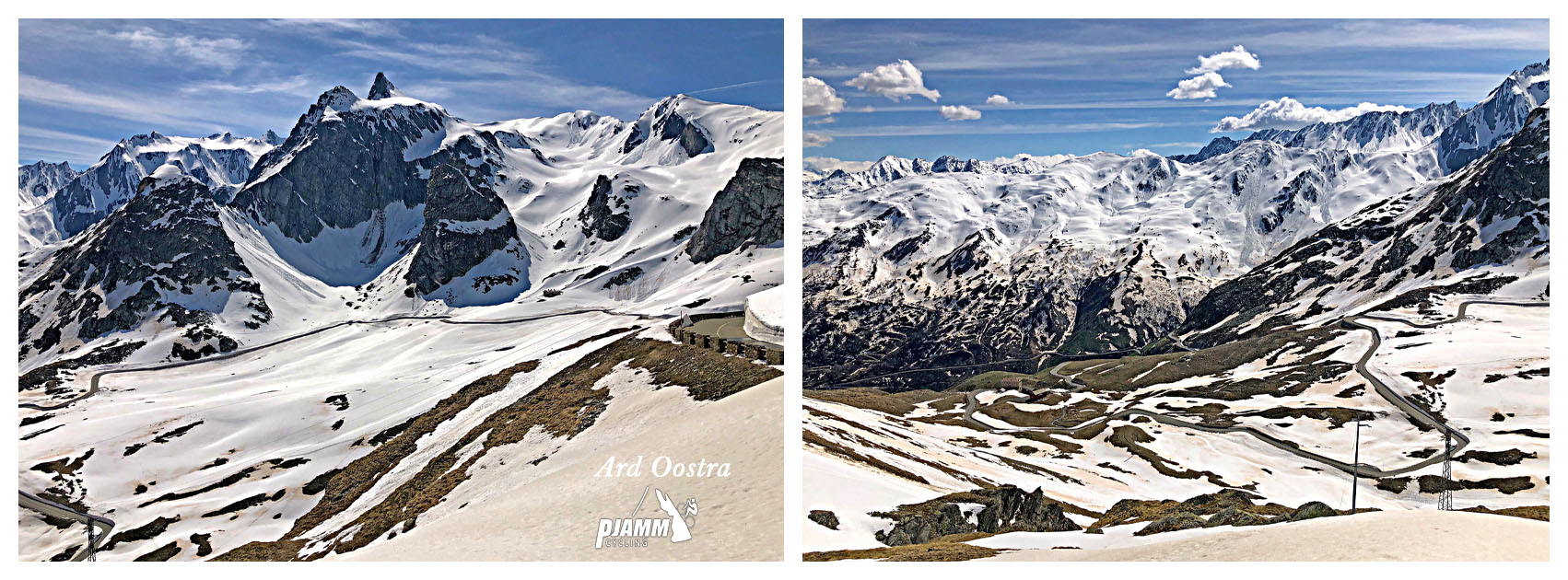
Like most high Alpine passes, this road closes to traffic in winter and typically reopens between mid-May and late June depending on snowpack and avalanche damage from the season before - check current road status before planning a trip here, since opening dates can shift by weeks year to year. Check current conditions before you go with our Weather tool, since the finish sits well above 2,400 meters.
PLAN YOUR ROUTE
 We've partnered with Sherpa-Map.com to bring you the best route planning tool. With a PRO Membership you can use this climb as a reference when creating your route.
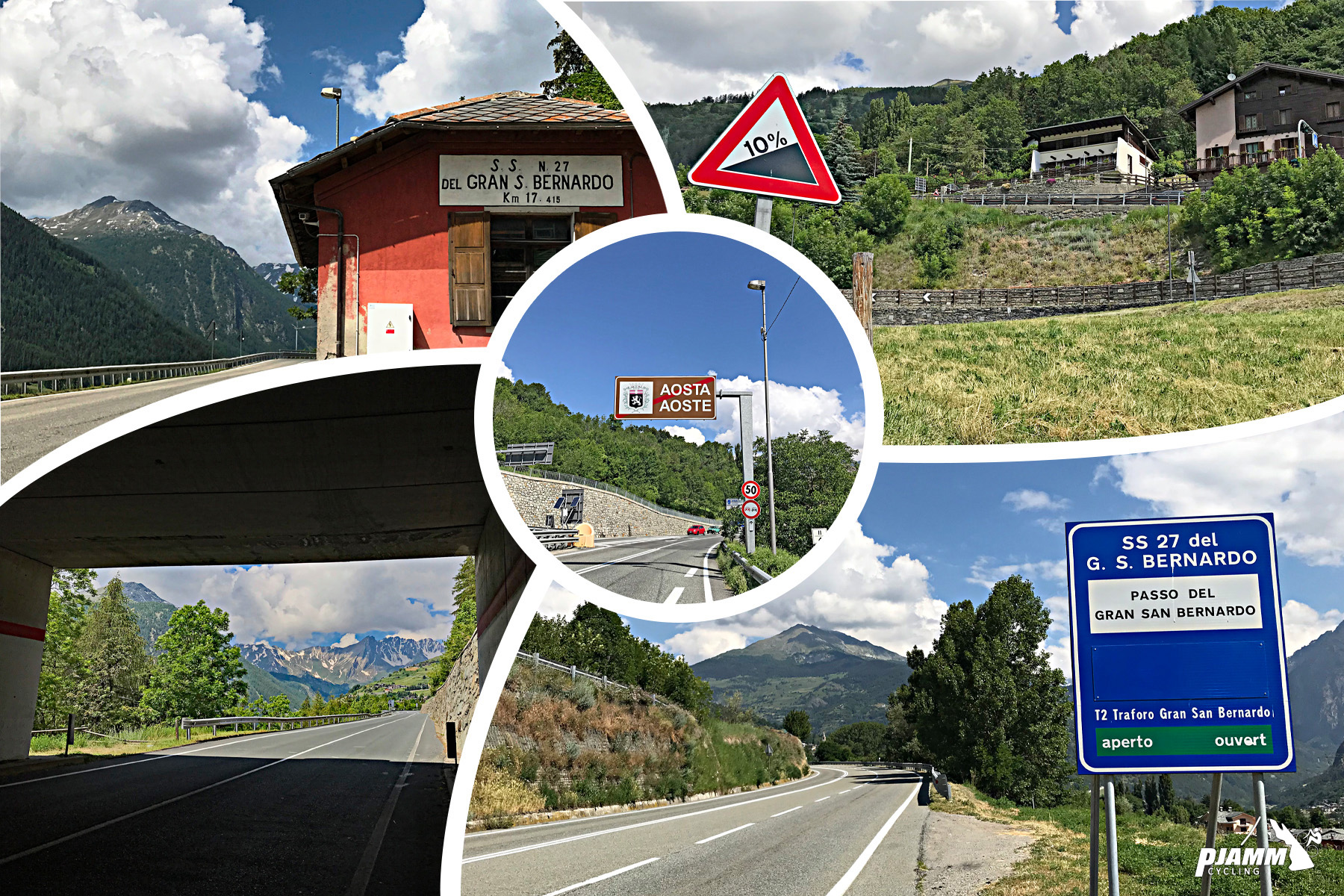
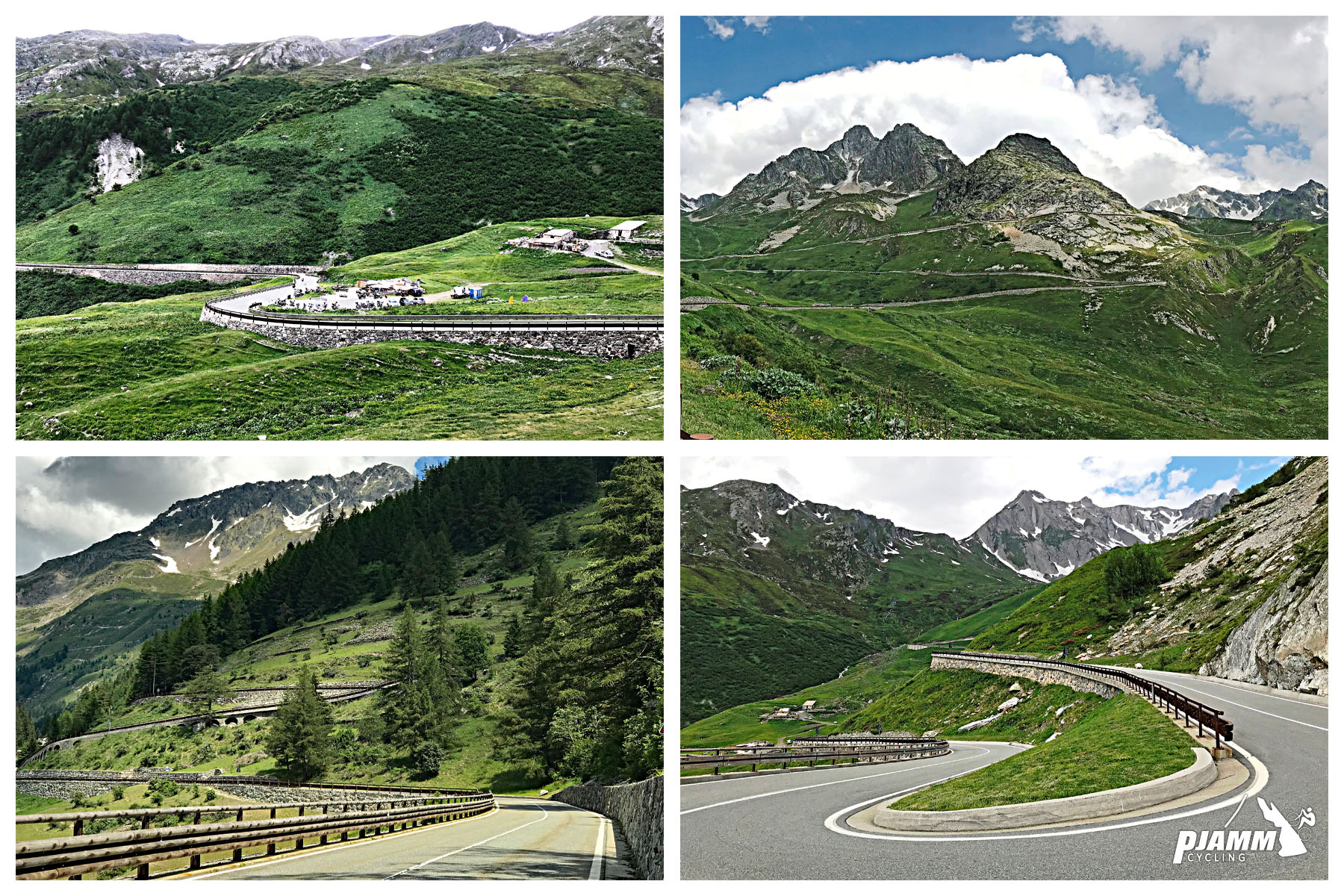
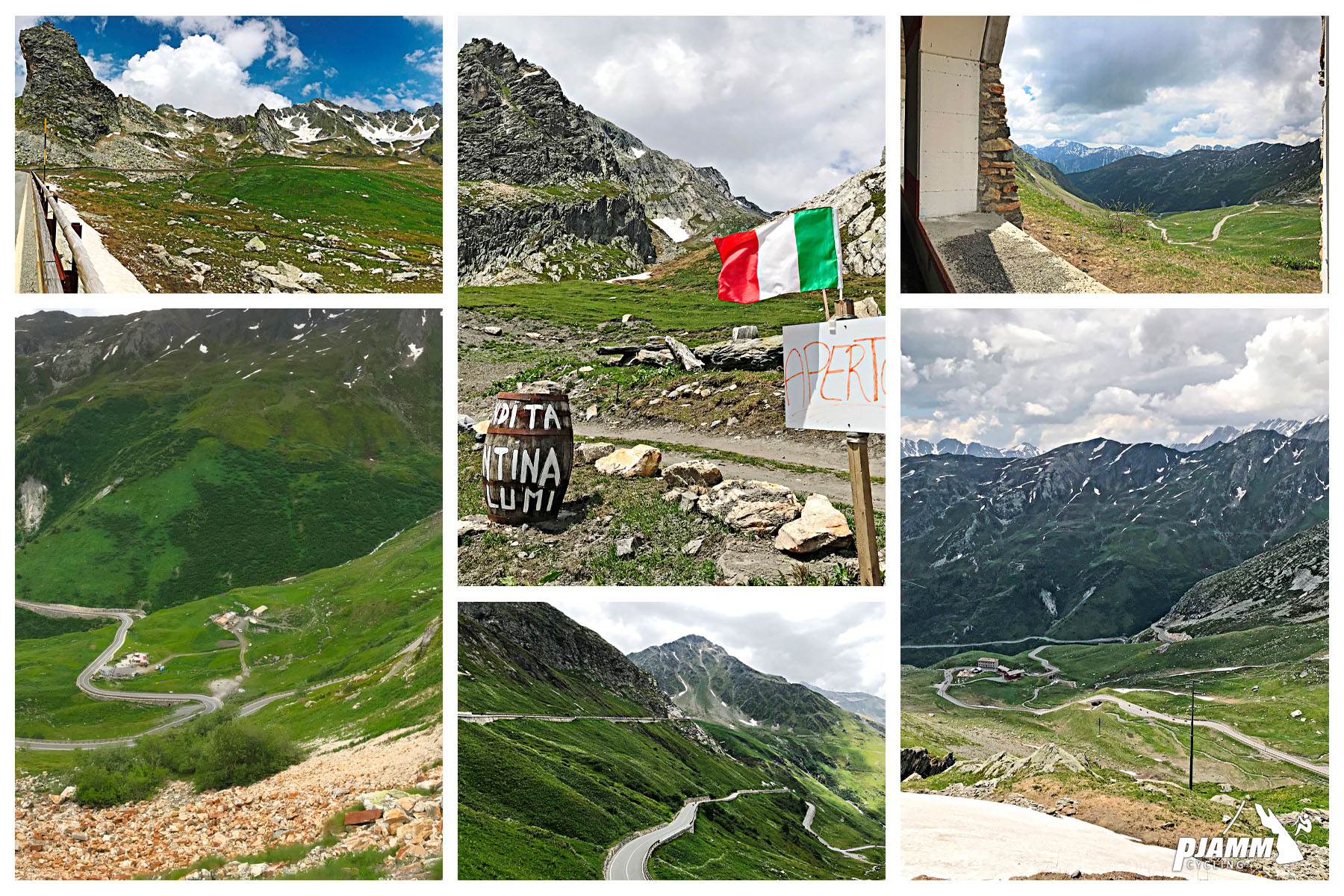
 This climb averages 5.1% over 21.4 miles - a long, sustained Alpine grade rather than a series of steep pitches, gaining 5,720 ft total. A short tunnel near mile 4.4 (151 m long) sits at a gentle 4.3%, and the grade stays moderate through the long middle section past Saint-Rhémy-en-Bosses and Saint-Oyen. The steepest sustained kilometer on the whole climb comes late, in the final few miles before the Swiss border, where the road holds roughly 7.5% - a reminder to keep something in reserve for the finish rather than emptying the tank in the earlier, gentler miles.
Roadway: The SS27 is fully paved and in good condition the entire way, a proper two-lane state road. Like every high Alpine pass in this part of the Alps, it closes to traffic for winter - typically from late October into late spring - and the exact reopening date shifts year to year with snowpack and avalanche damage; in 2026 an avalanche on the Aosta Valley side pushed the opening back to June 22nd. Check current road status before you go.
Traffic: Busier than you'd expect for the first 8 km (5.0 miles) out of Aosta, where the road still carries local and some cross-border traffic. It thins out noticeably through the middle section and becomes distinctly quieter and more rural in the final third as you climb above Saint-Oyen toward the border - watch near km 19.8 (mile 12.3), where a right-hand fork leads to a tunnel that's off-limits to the pass route; stay right to continue on the climb.
Parking: The climb begins in Aosta at the intersection of Valle del Gran San Bernardo and the SS26, where street parking is available in town. Saint-Rhémy-en-Bosses and Saint-Oyen, roughly two-thirds of the way up, are the last villages with services before the border and make a reasonable spot to top off water if needed.
A 5.1% average over 21.4 miles is a long day in the saddle more than a technical test, but the late steep kilometer near the border (about 7.5%) after 20-plus miles of climbing is enough to justify a compact crank and a wide-range cassette, especially if you're not fully acclimated to the altitude at the finish. Fill up on water and food in Aosta or one of the villages along the way - Saint-Rhémy-en-Bosses and Saint-Oyen are your last realistic stops before the border, and there's nothing at the pass itself outside of the open season.
Before heading out on any cycling adventure check out our Things to Bring on a Cycling Trip and use our interactive check list to ensure you don't forget anything.
Aosta is the natural base for this climb - a full-service regional capital with hotels, restaurants, and a train station, sitting right at the base of the climb. It's also a good hub for the rest of the Valle d'Aosta's deep bench of Alpine climbs.
The pass itself is worth lingering at once you've earned it: the hospice built here in 1049 is still an active waypoint for travelers, and it's the birthplace of the Saint Bernard rescue dog breed. If you're combining trips, the Swiss side of this same pass (from Orsières and Martigny) is a completely different-feeling ride down the other side of the border, with its own PJAMM page.
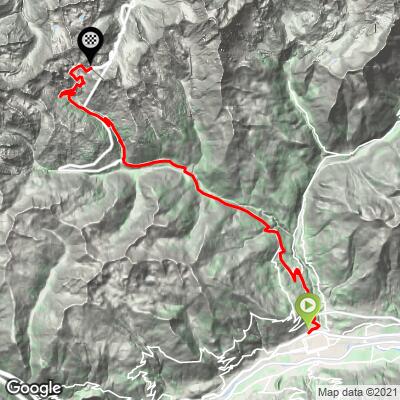
ROUTE MAP
MEMBER RATING
CURRENT WEATHER
PJAMM TRIPS ADVENTURE STARTER BUNDLES
Check out PJAMM Adventure's prepackaged (self-guided) cycling trips. They will help you plan, document and conquer your next adventure.
NEARBY CLIMBS (0) RADIAL PROXIMITY
FROM No Climbs Found
MEMBER REVIEWS & COMMENTS
Let us know what you thought of this climb. Signup for our FREE membership to write a review or post a comment.
Already have an account?
LOG IN HERE