24.4
PDI
8.2 mi
DISTANCE
3,457 ft
GAINED
7.6 %
AVG. GRADE
FULL CLIMB STATS
Page Contributor(s): Damo, Mehama, OR; Eric Weninger
INTRO
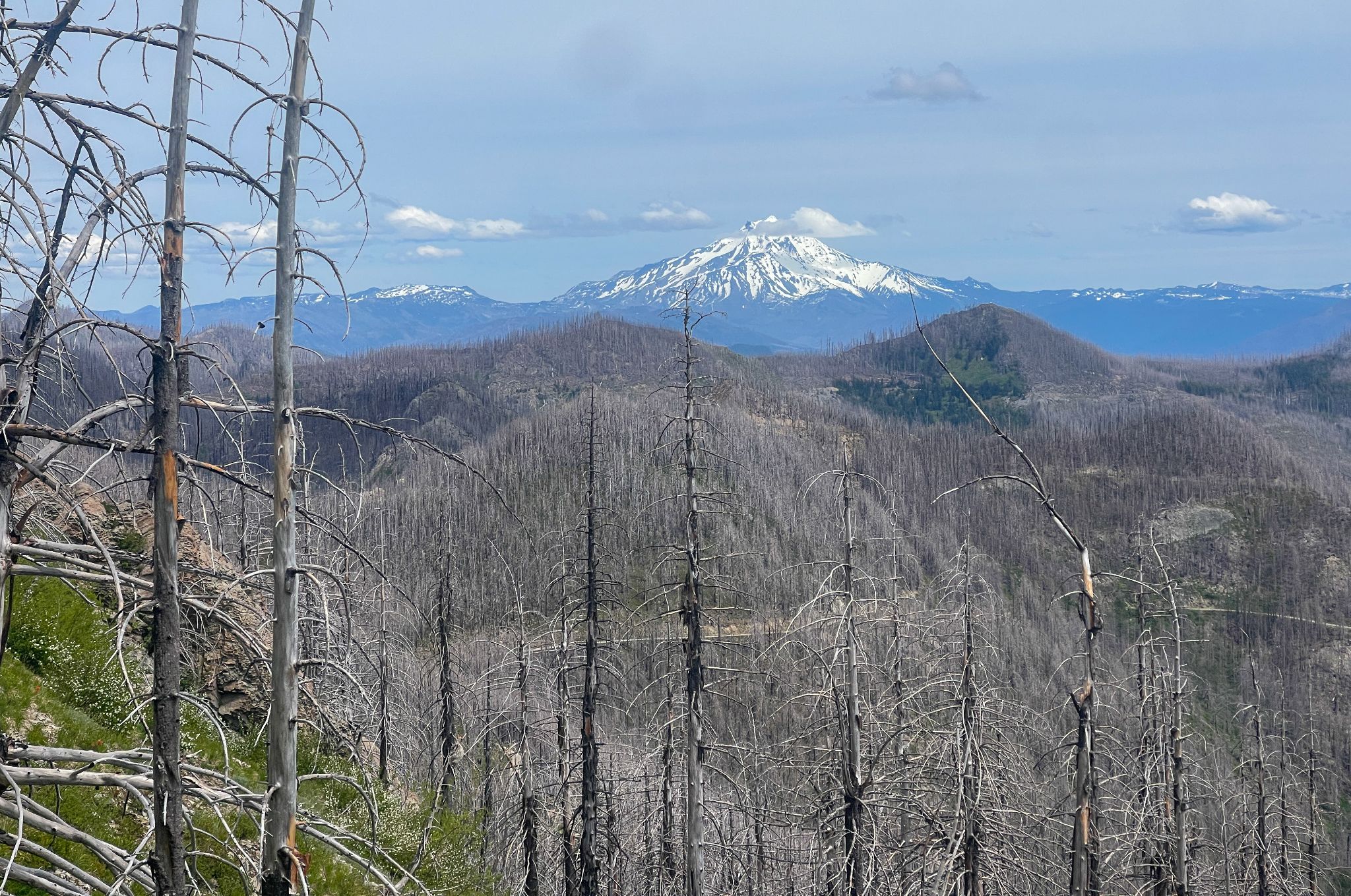
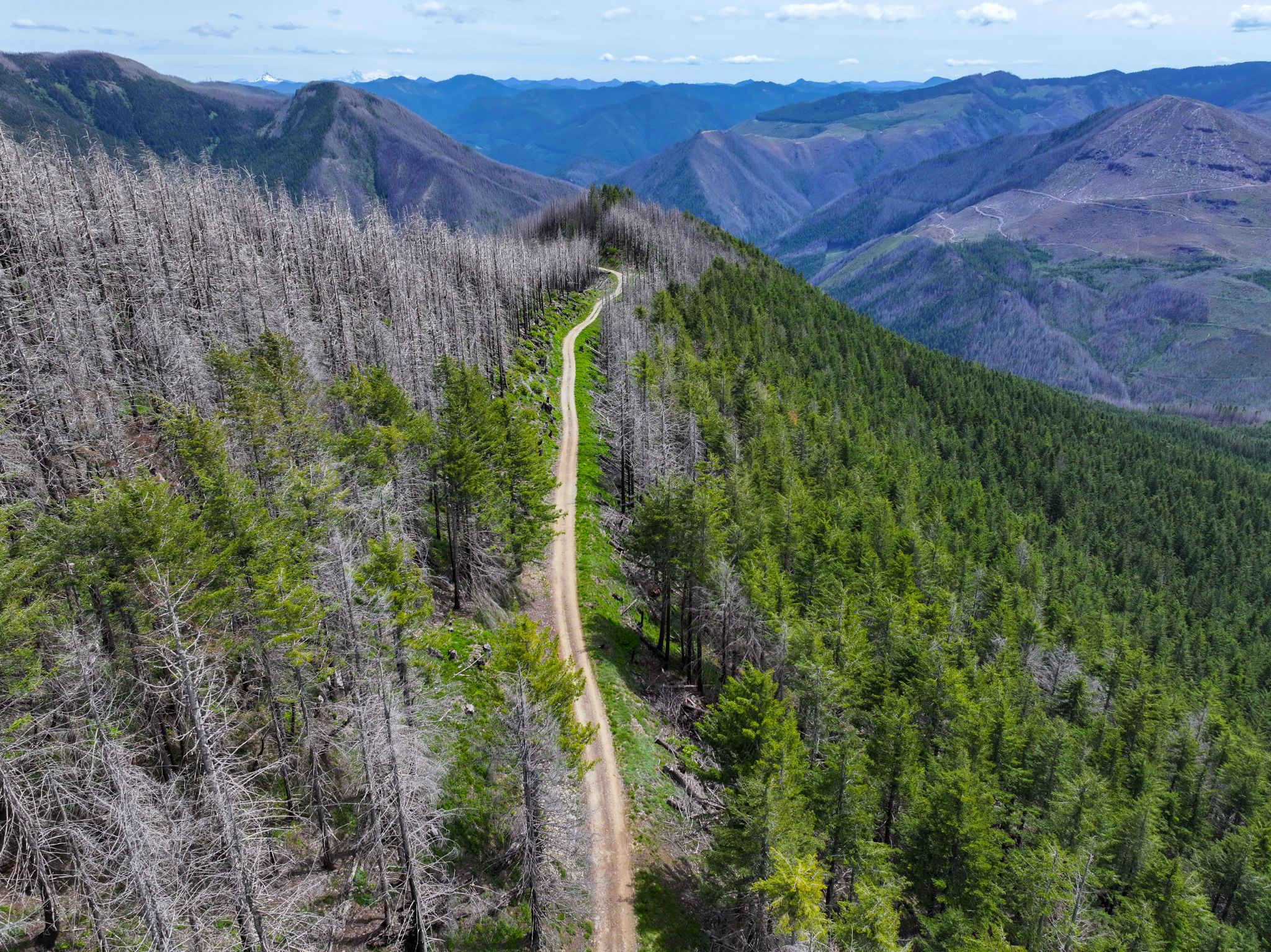
Niagara Road is a steep, scenic gravel climb in the Oregon Cascades above Gates, in the North Santiam Canyon of the Willamette National Forest. The climb covers 8.18 miles and gains 3,457 feet at a 7.6% average grade, starting at 1,115 feet along the North Santiam River and topping out near 4,397 feet on a ridge with sweeping views of Mt. Jefferson.
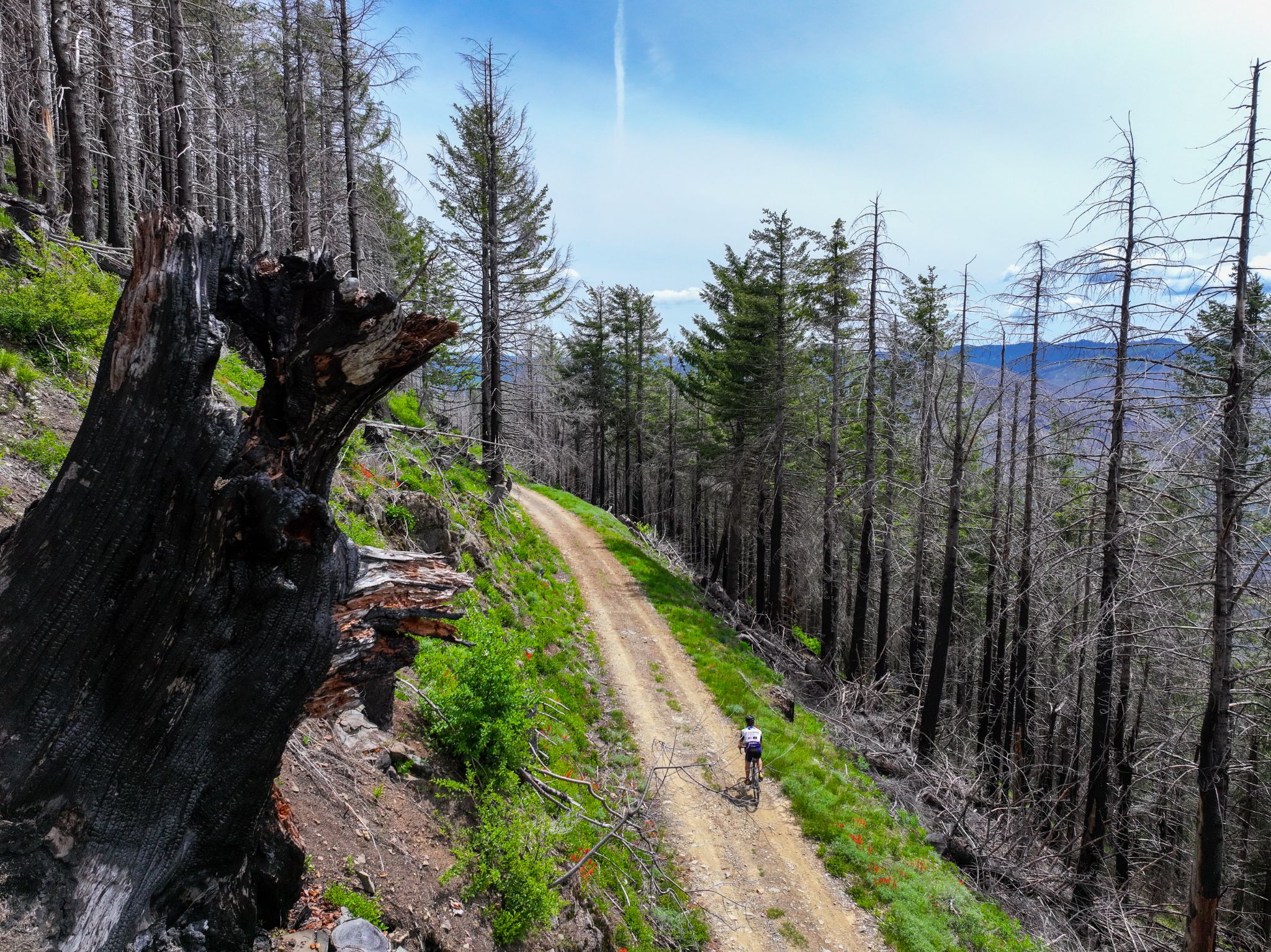
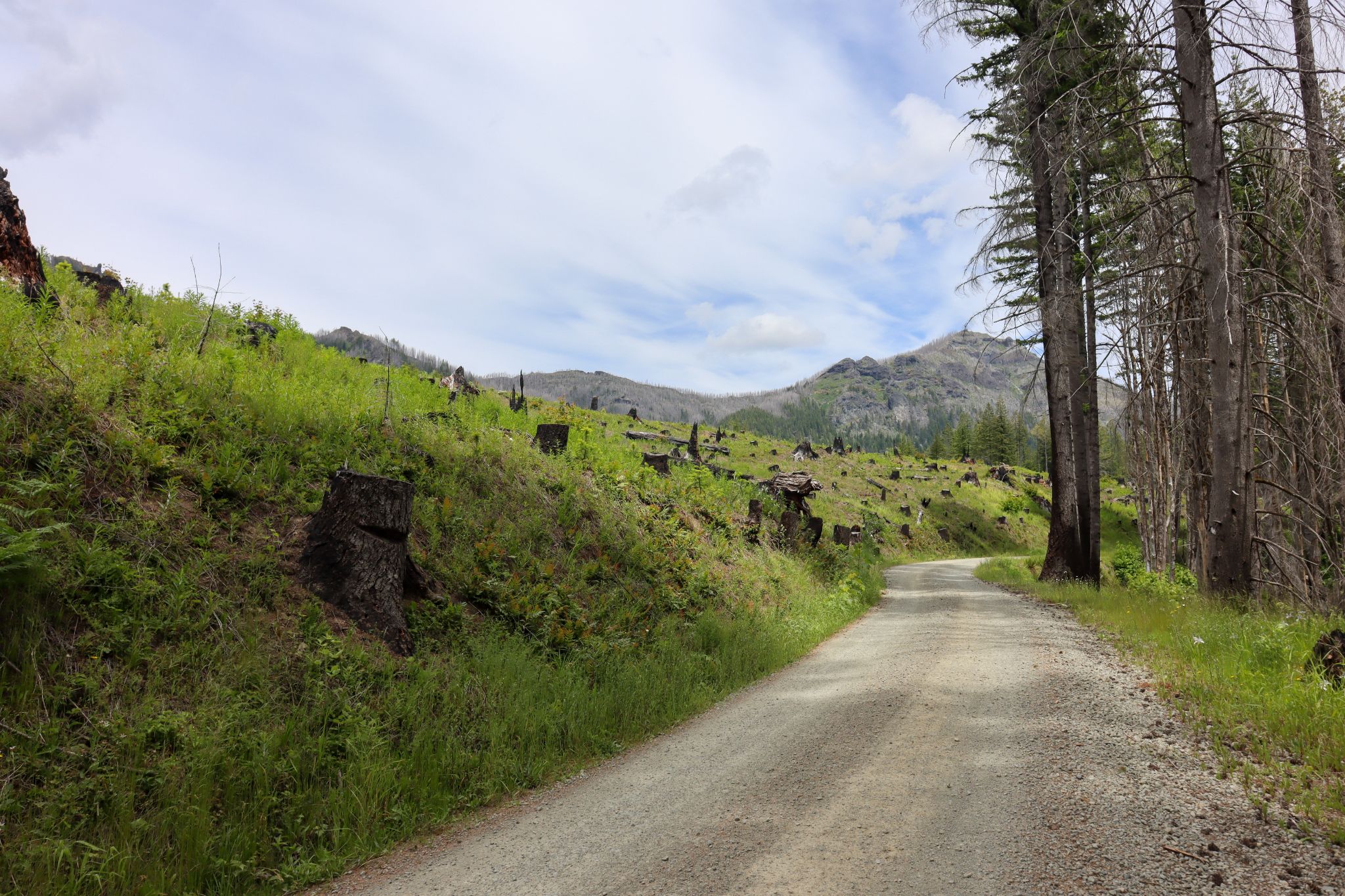
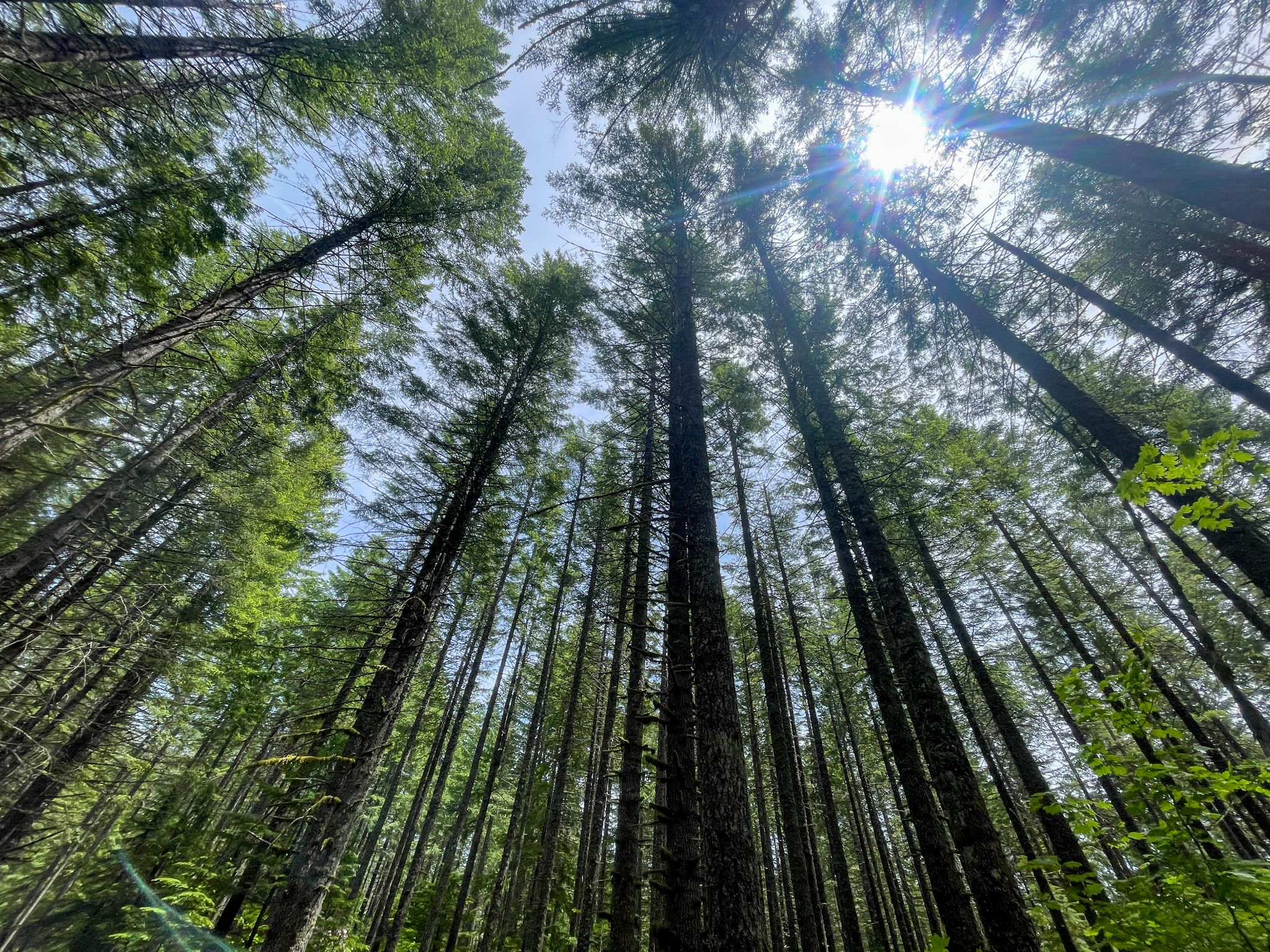
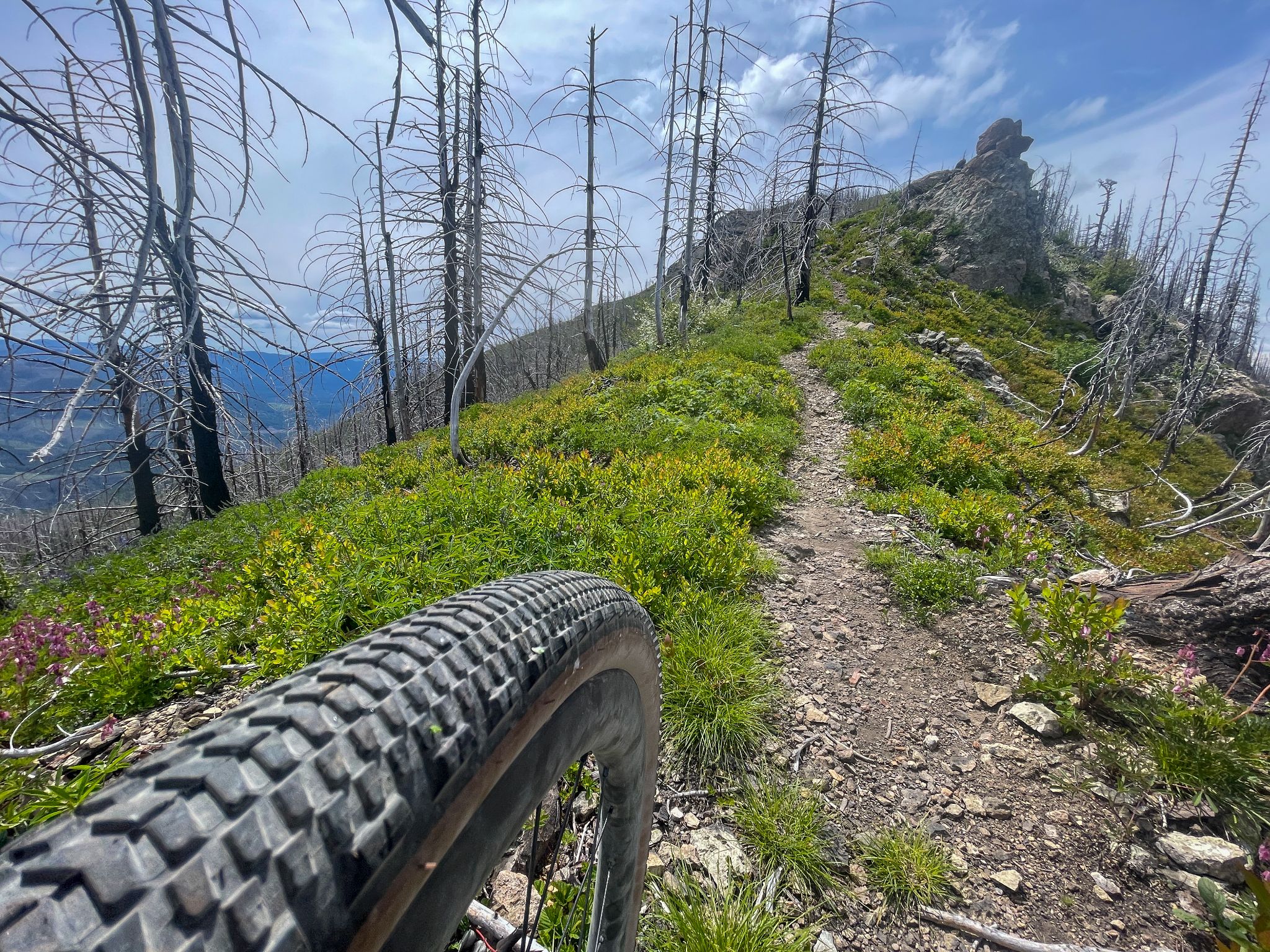
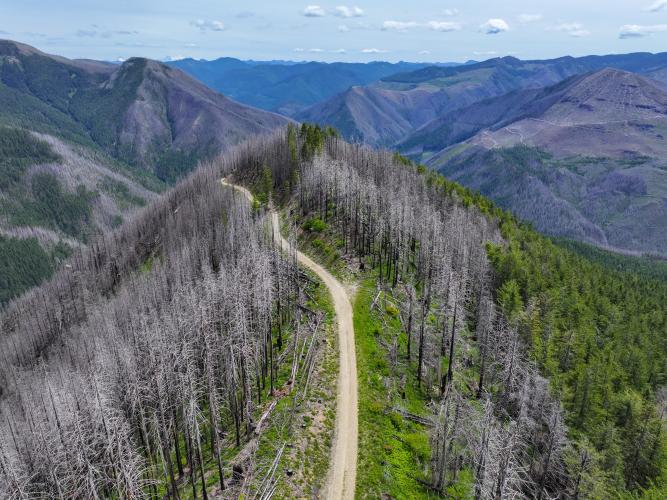
The road opens with a brutal, double-digit two-mile ascent through a stand of blackened snags - a lasting scar from the 2020 Beachie Creek Fire, part of the Labor Day fires that devastated the North Santiam Canyon and burned through this exact corridor. After that opening stretch the road flattens into a healthy, recovering forest before pitching up again through narrower, rockier stair-step sections near the top.
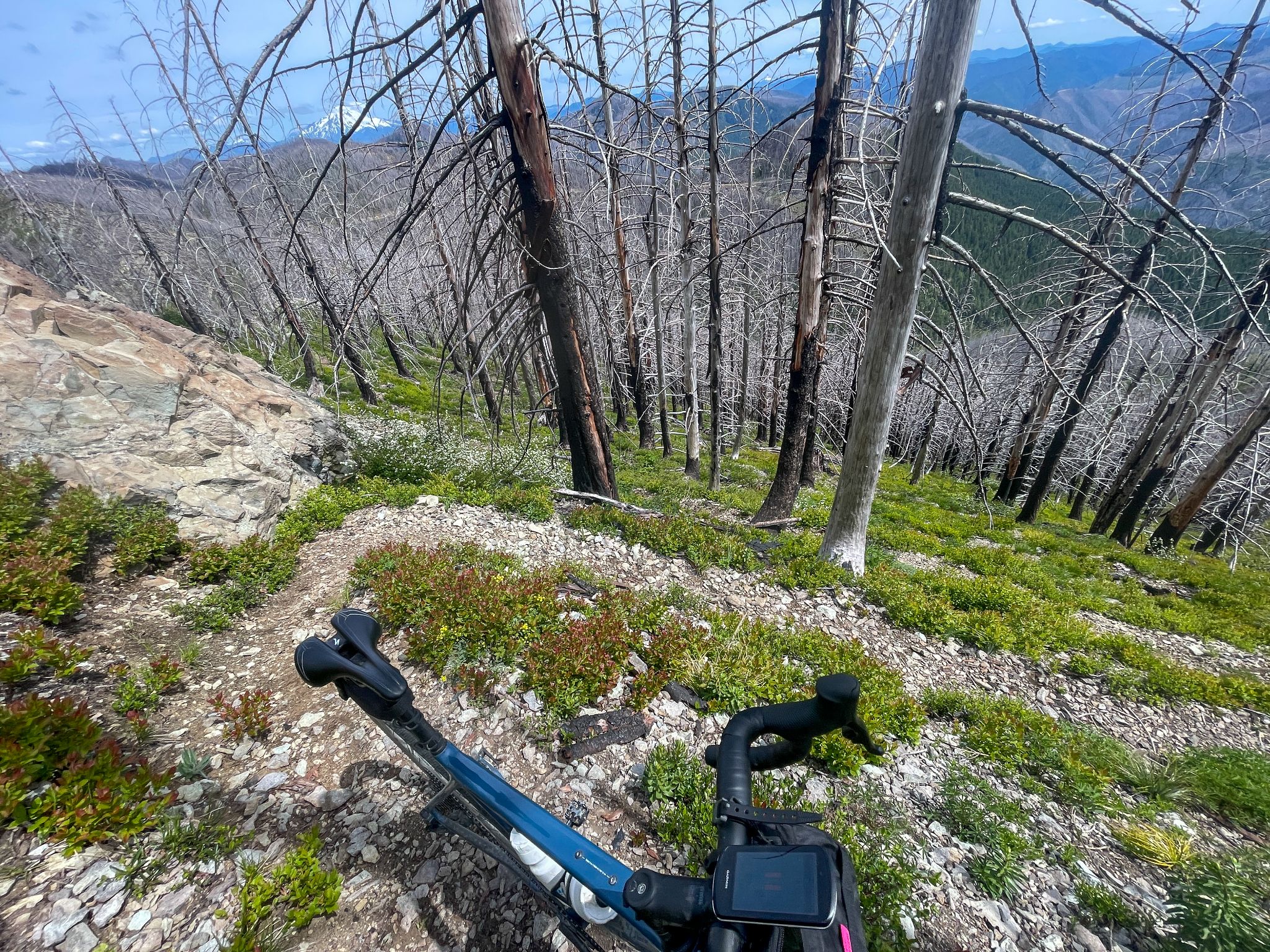
Important: the climb's final stretch is not fully rideable. Past the end of the road, a steep footpath - much of it above 14% grade, on loose rock with real exposure - continues to the true summit. We were only able to ride a small portion of that footpath on a gravel bike; expect to walk your bike the rest of the way to the viewpoint. Along the way, a short side trail near mile 6.4 leads to a natural rock arch worth the detour.
PLAN YOUR ROUTE
 We've partnered with Sherpa-Map.com to bring you the best route planning tool. With a PRO Membership you can use this climb as a reference when creating your route.
 The opening two miles are the hardest sustained stretch of the entire climb - the steepest quarter-mile averages 17.6% and the steepest full mile still holds 14.2%, both concentrated in that first double-digit push through the burned forest.
After that the grade eases considerably: the steepest 2.5-mile stretch drops to 10.9%, and the steepest 5-mile rolling average is just 8%, close to the overall 7.6% average for the full 8.18 miles. In practice, the toughest test comes right at the start before you've warmed up, followed by a long, more moderate grind - and then the unrideable footpath at the very end (see Roadway & Parking) adds a final, separate challenge that isn't reflected in these gradient numbers at all.
Roadway: PJAMM contributors flag two specific rough spots. Damo (Mehama, OR): "It is very rough going past the Natural Arch Trailhead at mile 6.4. Note, the Natural Arch is accessible via walking trail at the hairpin at mile 6.4 of the climb - it is roughly at the 4 o'clock position looking north from the hairpin, generally southwest." Eric Weninger: "there could be some pushing through soft sand on Sand Flats." Beyond those spots, expect a narrow, rocky, stair-stepped road in the upper miles, with the road ending altogether before the true summit - see "Current conditions" below.
Traffic: Light. This is a Forest Service/state forest road serving recreation access rather than a through route, though active post-fire logging and recovery operations continue in parts of the surrounding Santiam State Forest, so watch for occasional logging trucks or equipment.
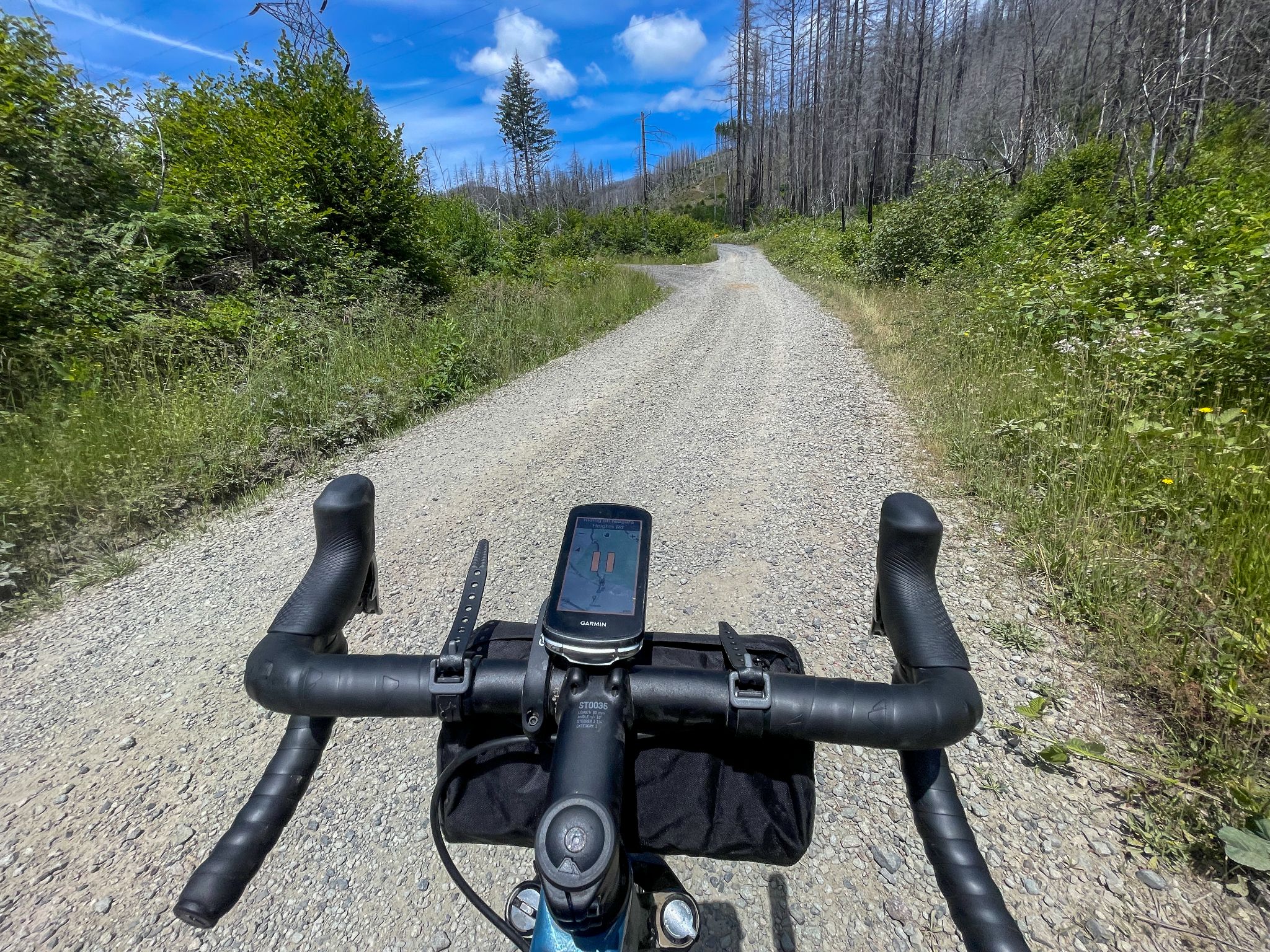
Parking: There's no dedicated trailhead lot at the base; riders typically start from a pullout near Niagara/Gates off OR-22. Higher up, there are numerous unsigned side roads - carrying the GPX file on a GPS unit is genuinely useful here, since it's easy to follow the wrong fork.
Current conditions: The road itself ends a short distance before the true summit, where a steep, loose-rock footpath (much of it above 14% grade, with real exposure) continues to the viewpoint - this final footpath isn't considered part of the ridable climb. The wider area was heavily burned in the 2020 Beachie Creek Fire, and while the Natural Rock Arch Trail near mile 6.4 reopened in October 2022 after being rebuilt, other trails in the vicinity (including the separate Little North Santiam Trail) have seen intermittent fire-related closures as recently as 2026 - check current conditions with the Willamette National Forest or Marion County Parks before you go.
A gravel bike with sturdy, wide tires handles the road itself, but budget for walking - we were unable to ride most of the loose-rock footpath connecting the road's end to the true summit viewpoint.
There are no services along the route - no water, food, or bike shops between Gates/Niagara and the summit - so carry what you need for a full climb-and-hike day. Sand Flats, in the upper miles, can require pushing through soft sand, so be ready to dismount there too.
Before heading out on any cycling adventure check out our Things to Bring on a Cycling Trip and use our interactive check list to ensure you don't forget anything.
Gates and Mehama, OR sit at the base of the climb along OR-22 in the North Santiam Canyon, with Salem about 35 miles further west for fuller services, lodging, and bike shops.
The North Santiam Canyon is still recovering from the 2020 Labor Day fires - some nearby trails and roads have seen intermittent post-fire closures as recently as 2026, so check current conditions with the Willamette National Forest or Marion County Parks before heading out.
Preview this climb's dramatic profile, including the brutal opening two miles, pitch by pitch with our free Profile tool before you go.
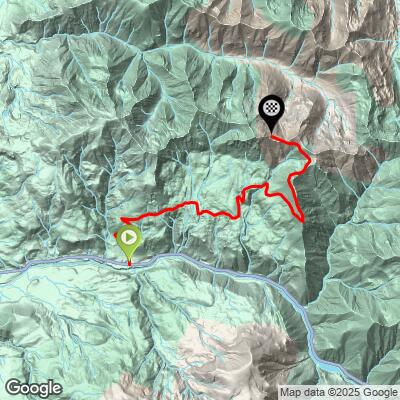
ROUTE MAP
MEMBER RATING
CURRENT WEATHER
PJAMM TRIPS ADVENTURE STARTER BUNDLES
Check out PJAMM Adventure's prepackaged (self-guided) cycling trips. They will help you plan, document and conquer your next adventure.
NEARBY CLIMBS (0) RADIAL PROXIMITY
FROM No Climbs Found
MEMBER REVIEWS & COMMENTS
Let us know what you thought of this climb. Signup for our FREE membership to write a review or post a comment.
Already have an account?
LOG IN HERE