37.5
PDI
13.2 mi
DISTANCE
4,974 ft
GAINED
7.1 %
AVG. GRADE
FULL CLIMB STATS
Page Contributor(s): Steve Larsen, West Jordan, UT; Jack Beyer, Matt Wilden, WA
INTRO
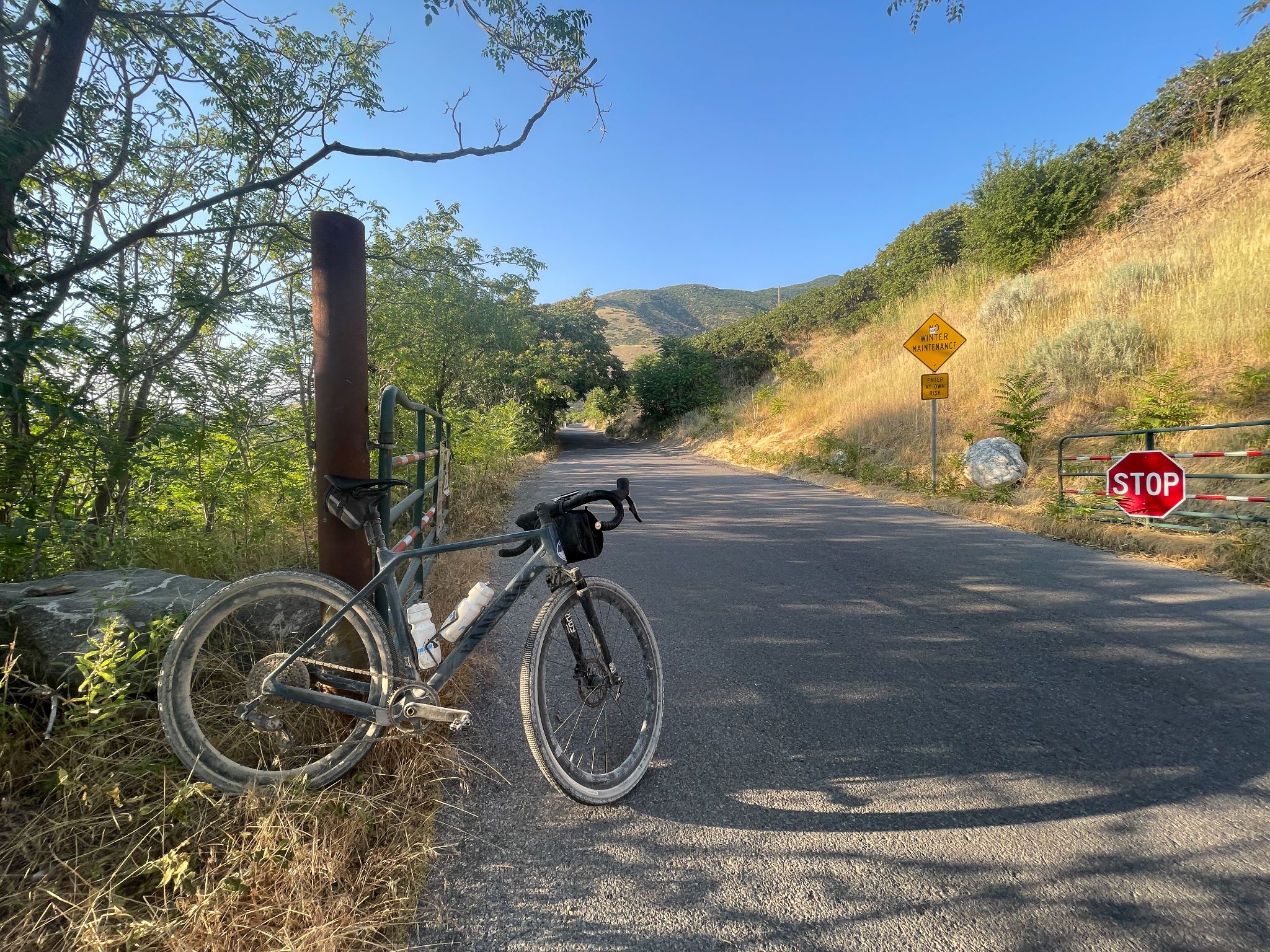
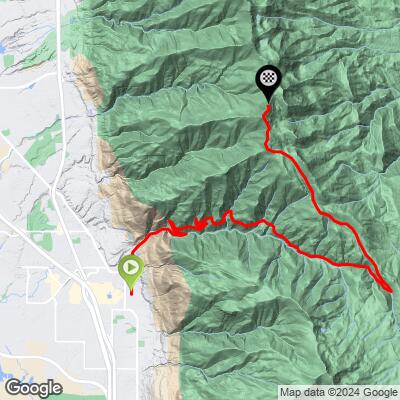
Francis Peak is a 13.2-mile gravel climb out of Farmington, Utah that gains nearly 5,000 feet at an average grade of 7.1% on its way to a 9,560-foot summit in the Wasatch Range. The route starts on pavement at the mouth of Farmington Canyon and turns to gravel roughly a mile or two in.
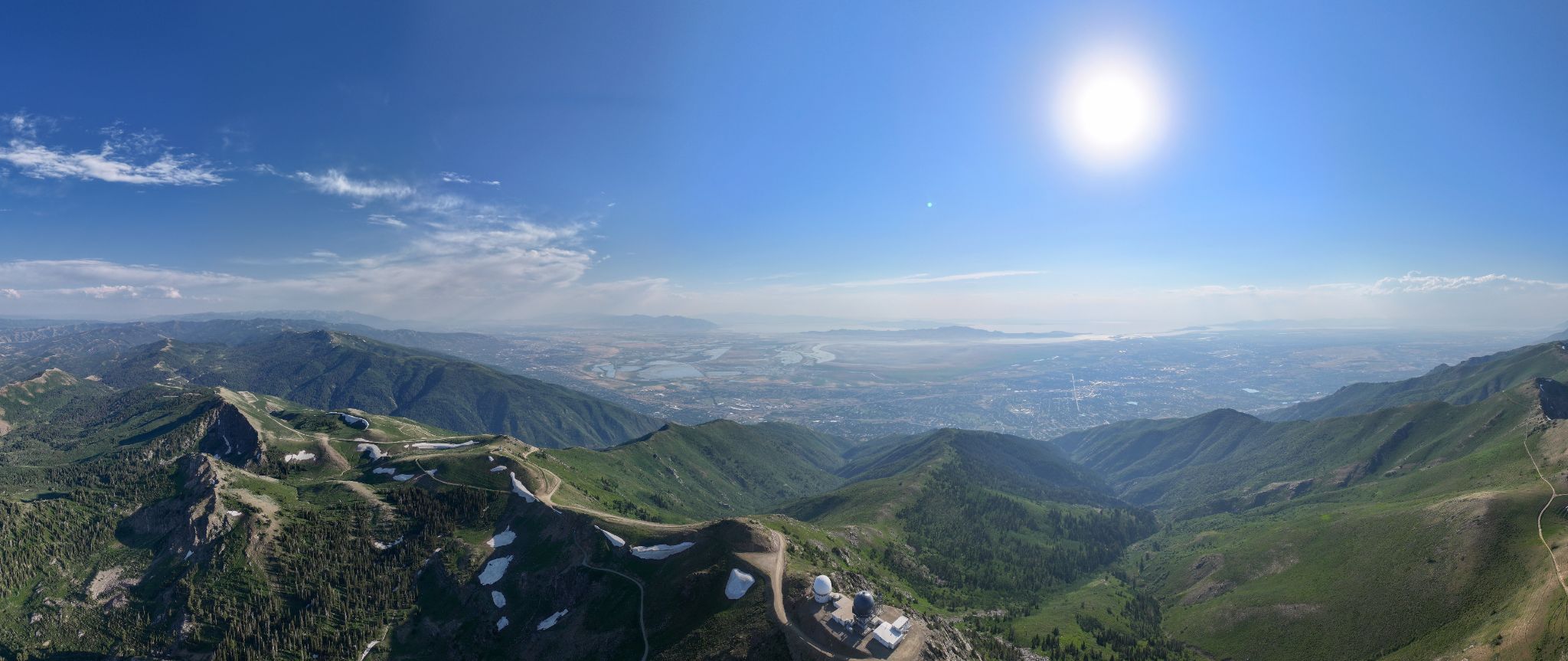
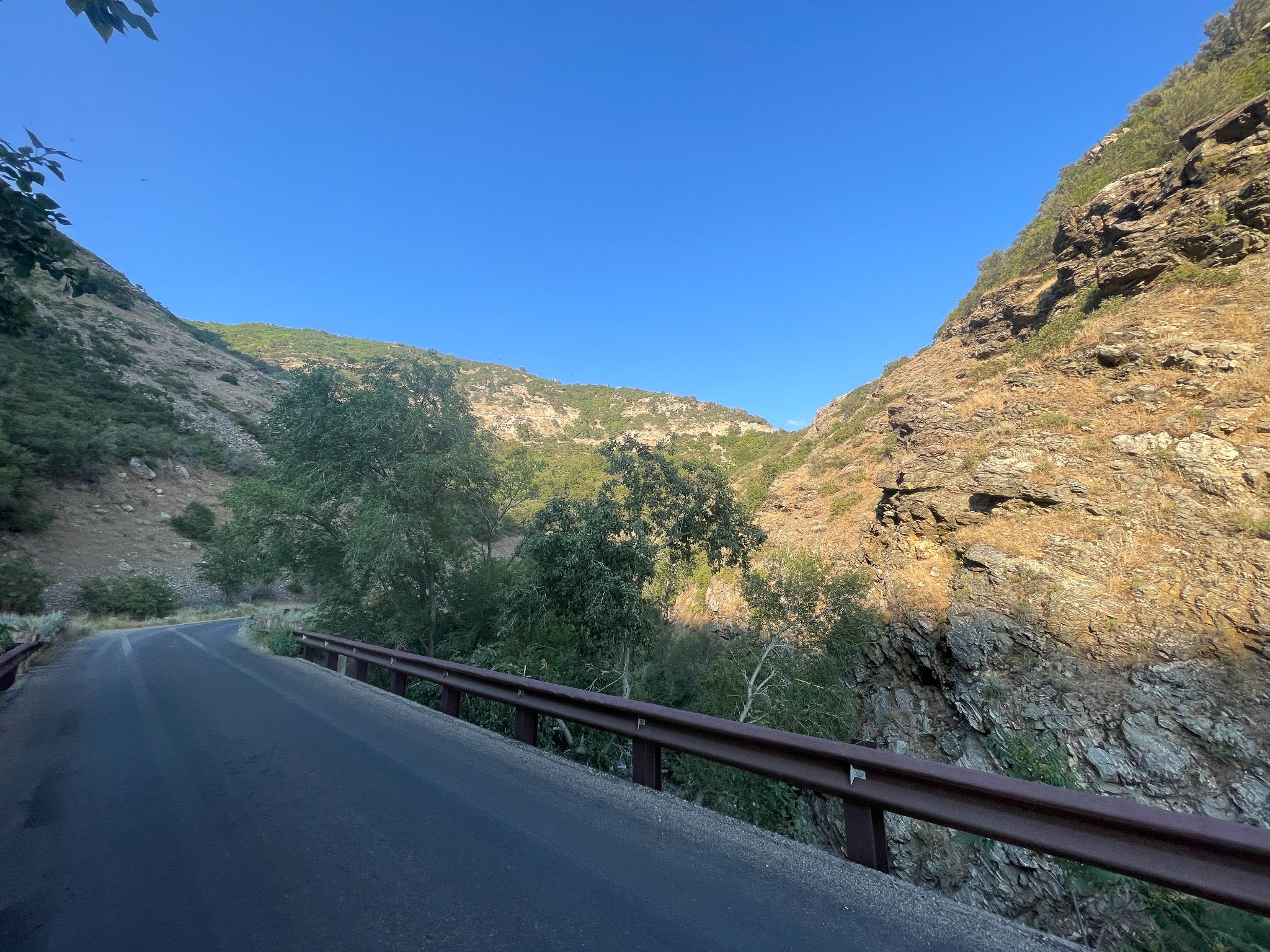
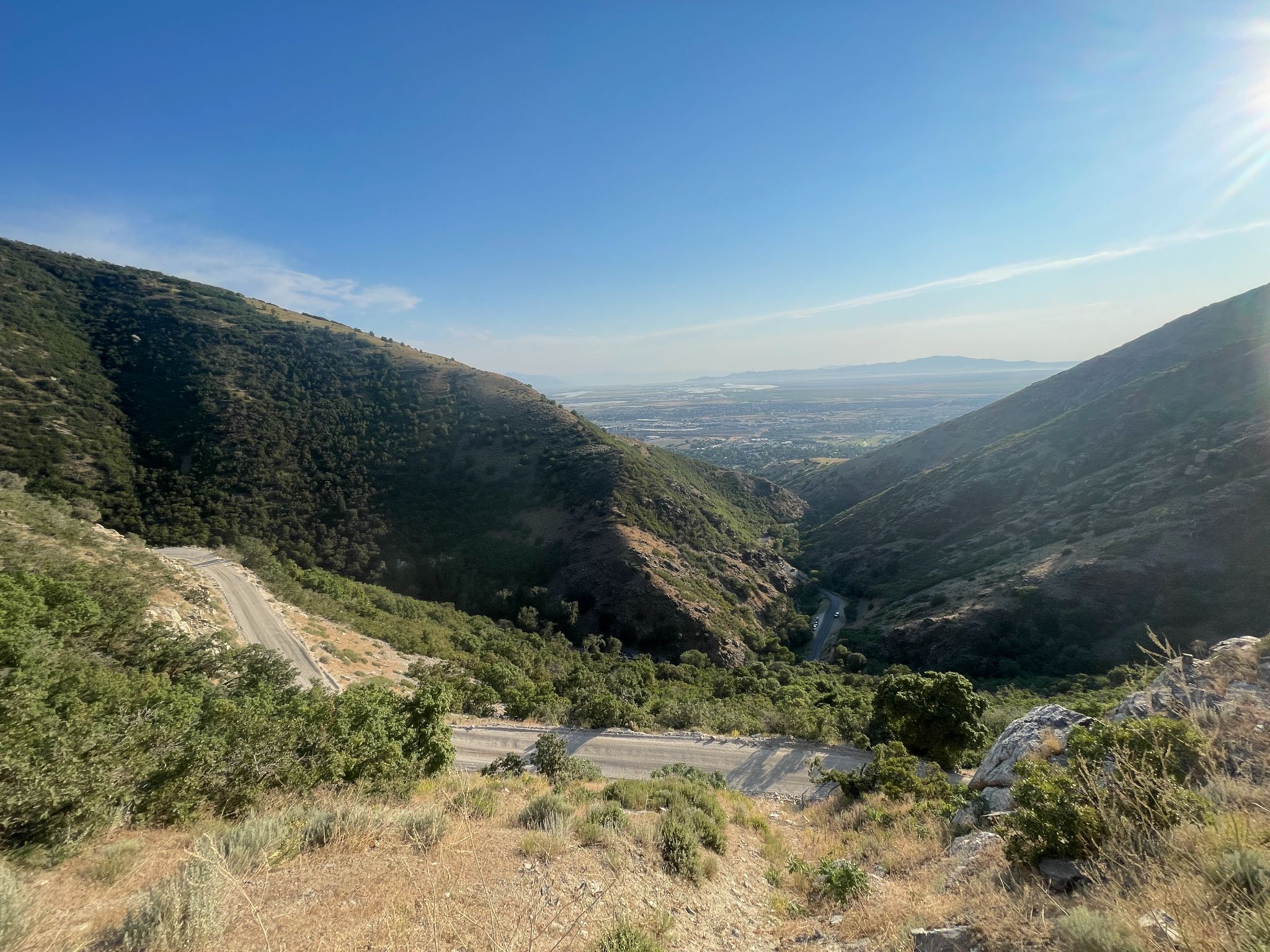
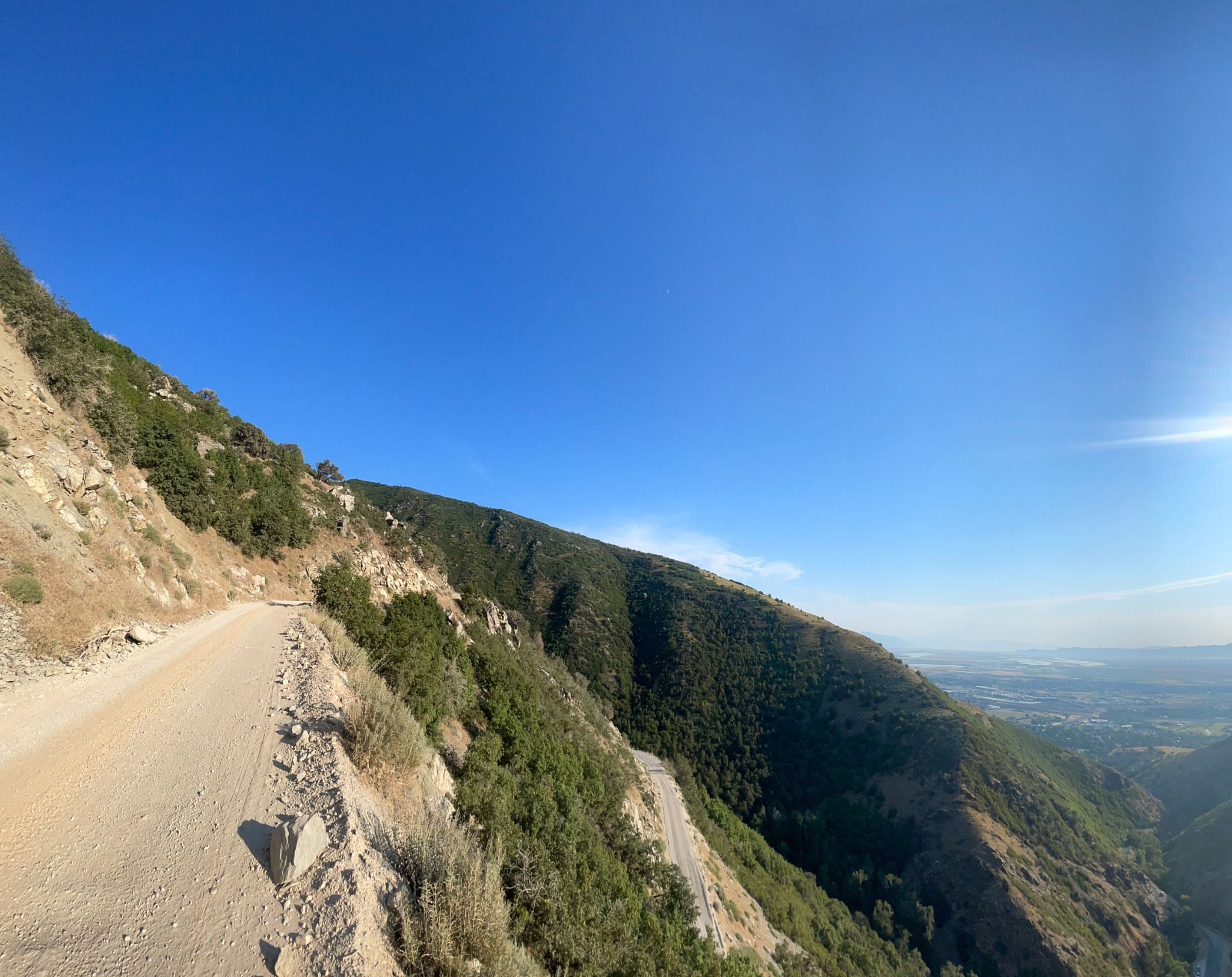
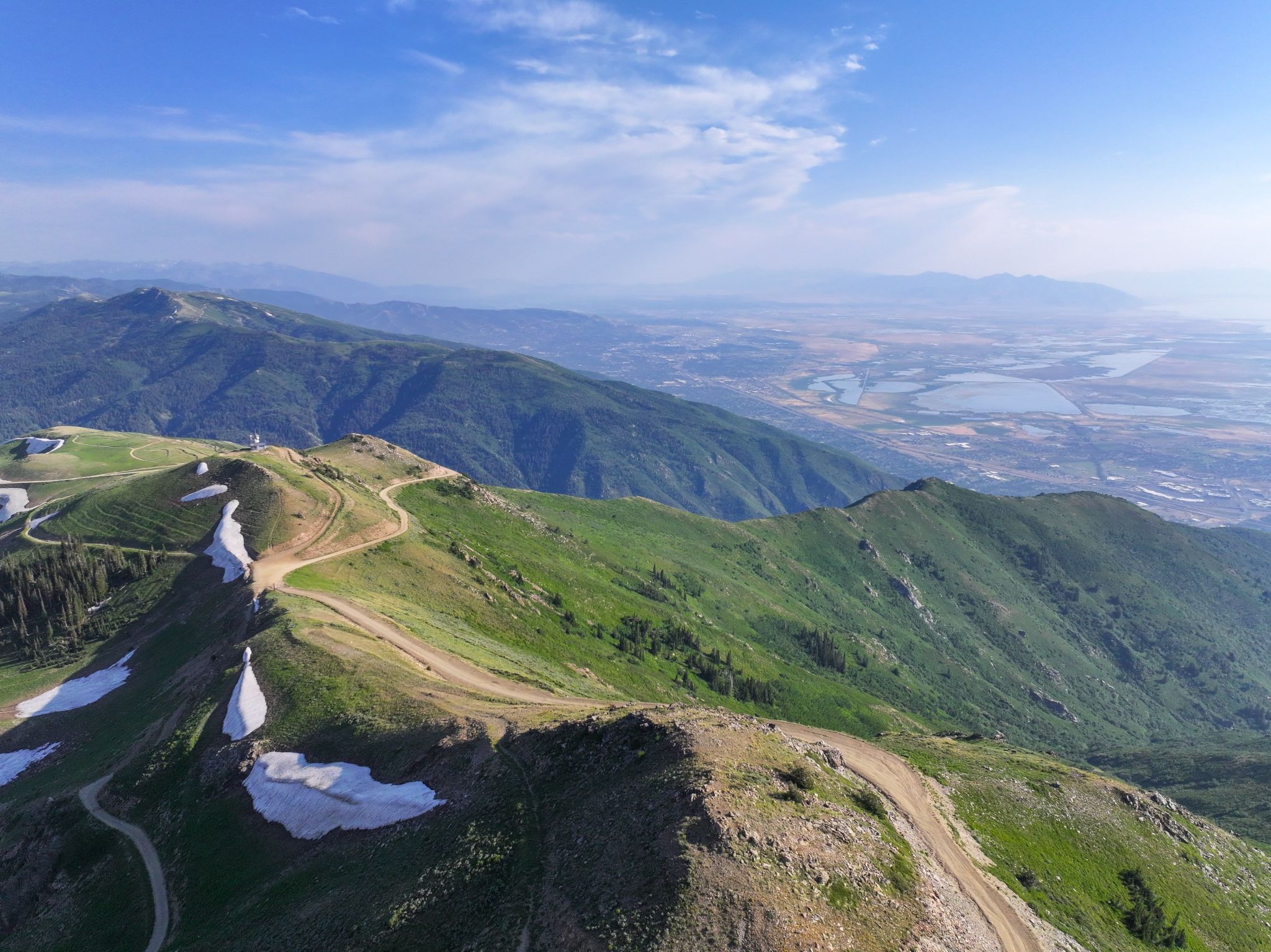
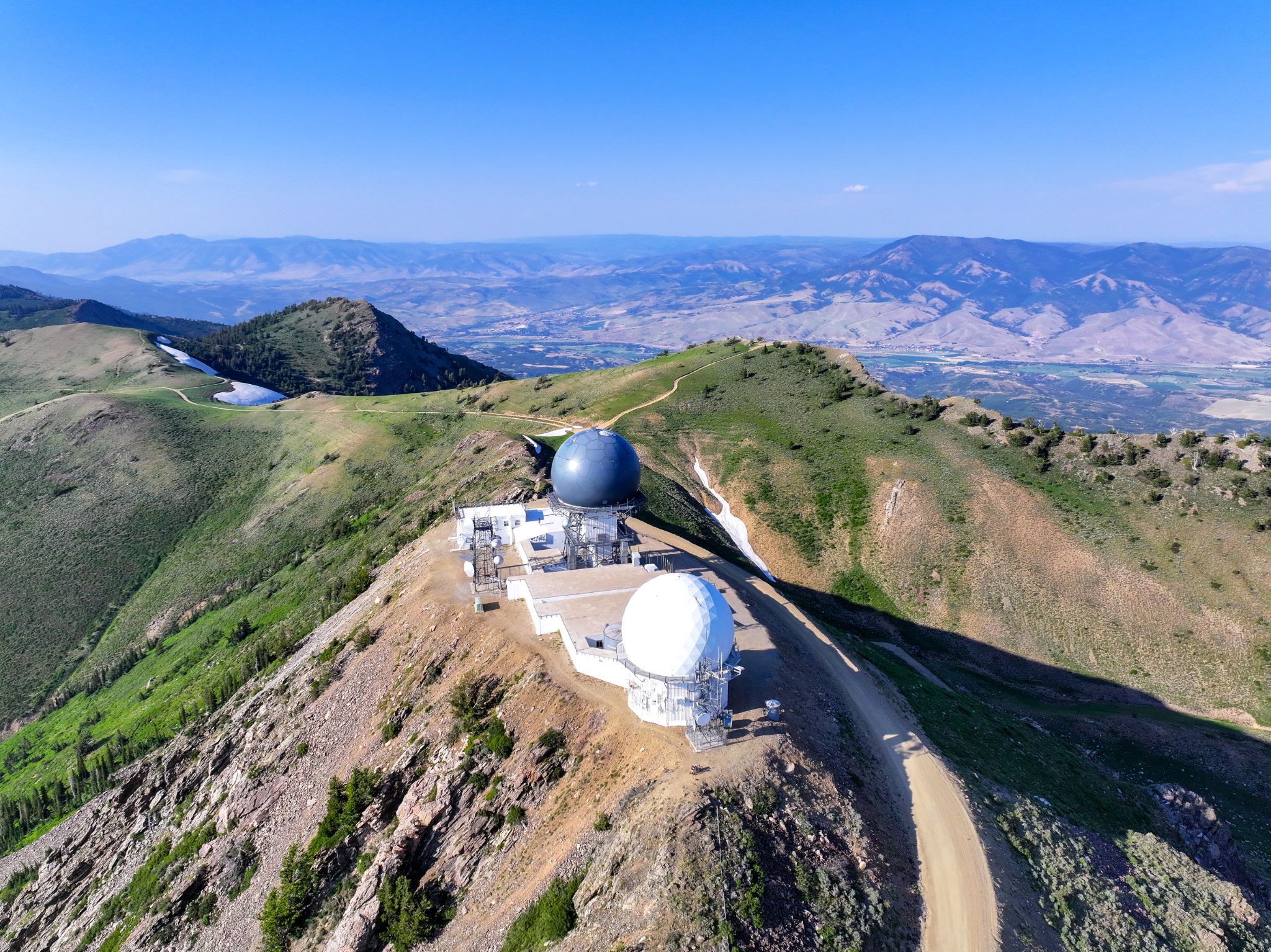
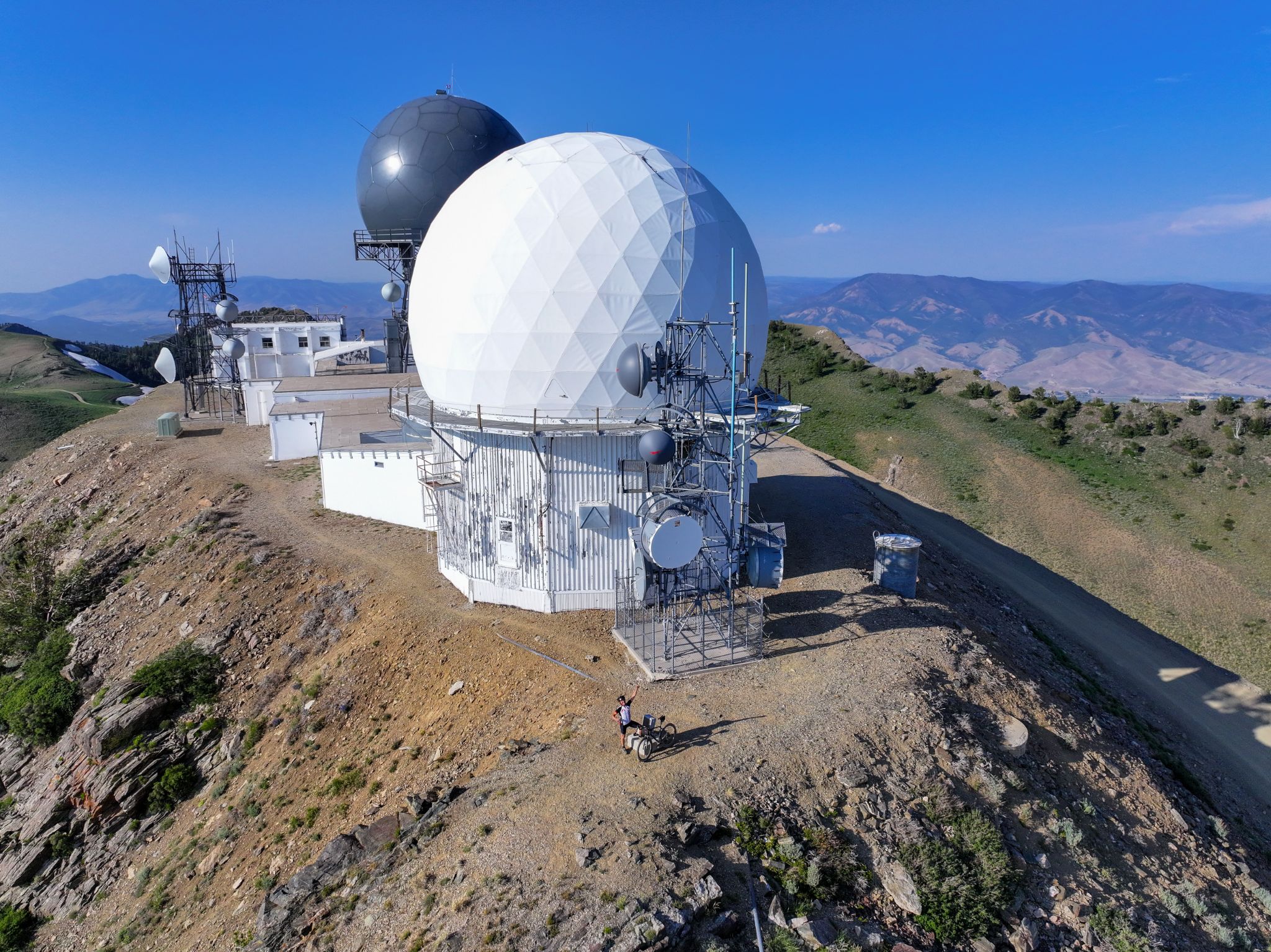
From there it winds through steep, exposed canyon walls and along narrow ridgelines on Farmington Canyon Road before the final straight, steep push to the summit, where two large FAA/Air National Guard radar domes - built in 1959 and visible for miles across the valley - mark the top. The reward is one of the best views in the Wasatch: the Great Salt Lake and its salt flats spread out to the west, with Farmington and Bountiful laid out far below.
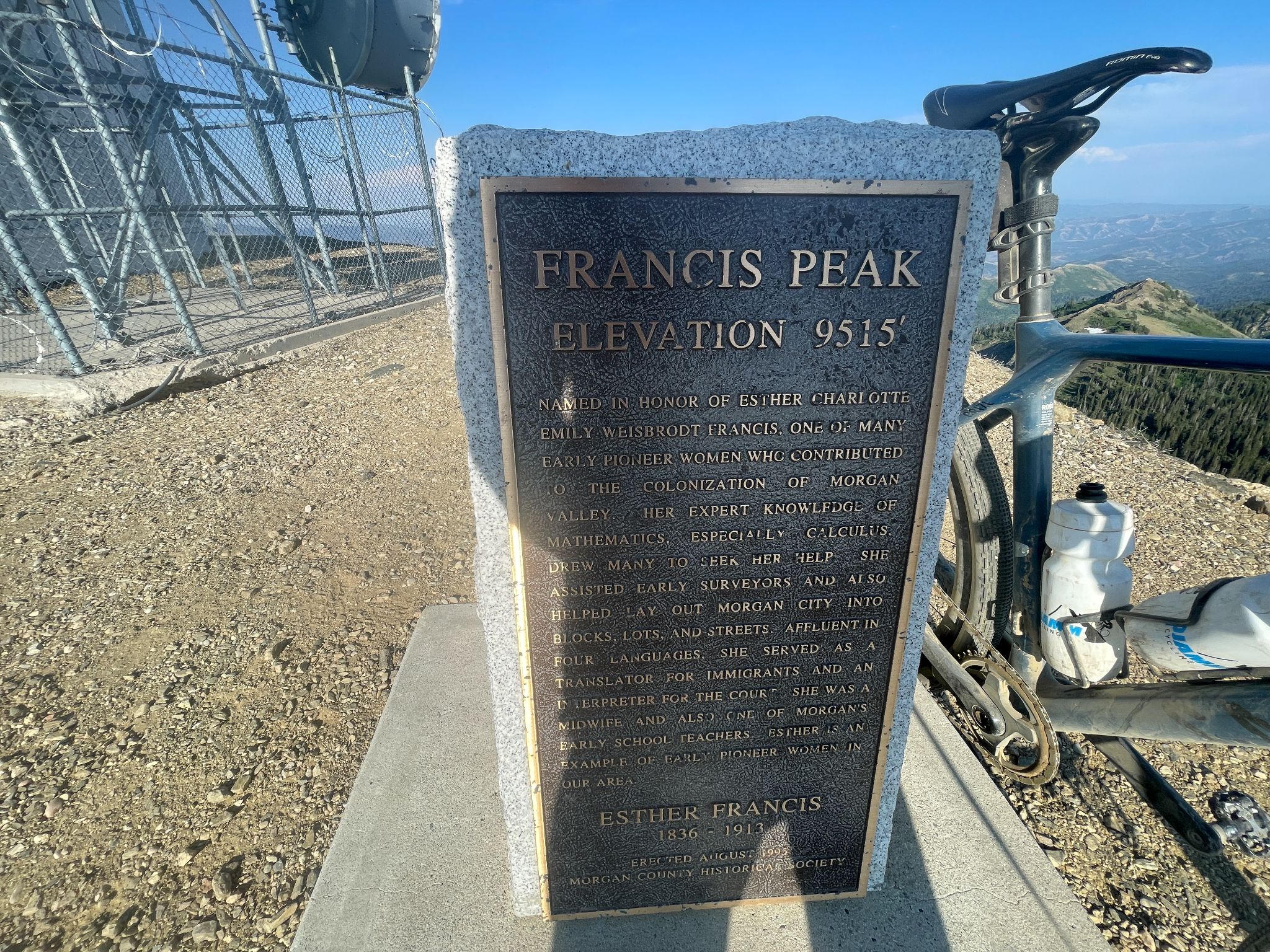
The peak takes its name from Esther Charlotte Emily Weisbrodt Francis, an early Morgan Valley pioneer. Riders who want more can detour roughly halfway up toward Bountiful Peak for a longer loop back down Skyline Drive.
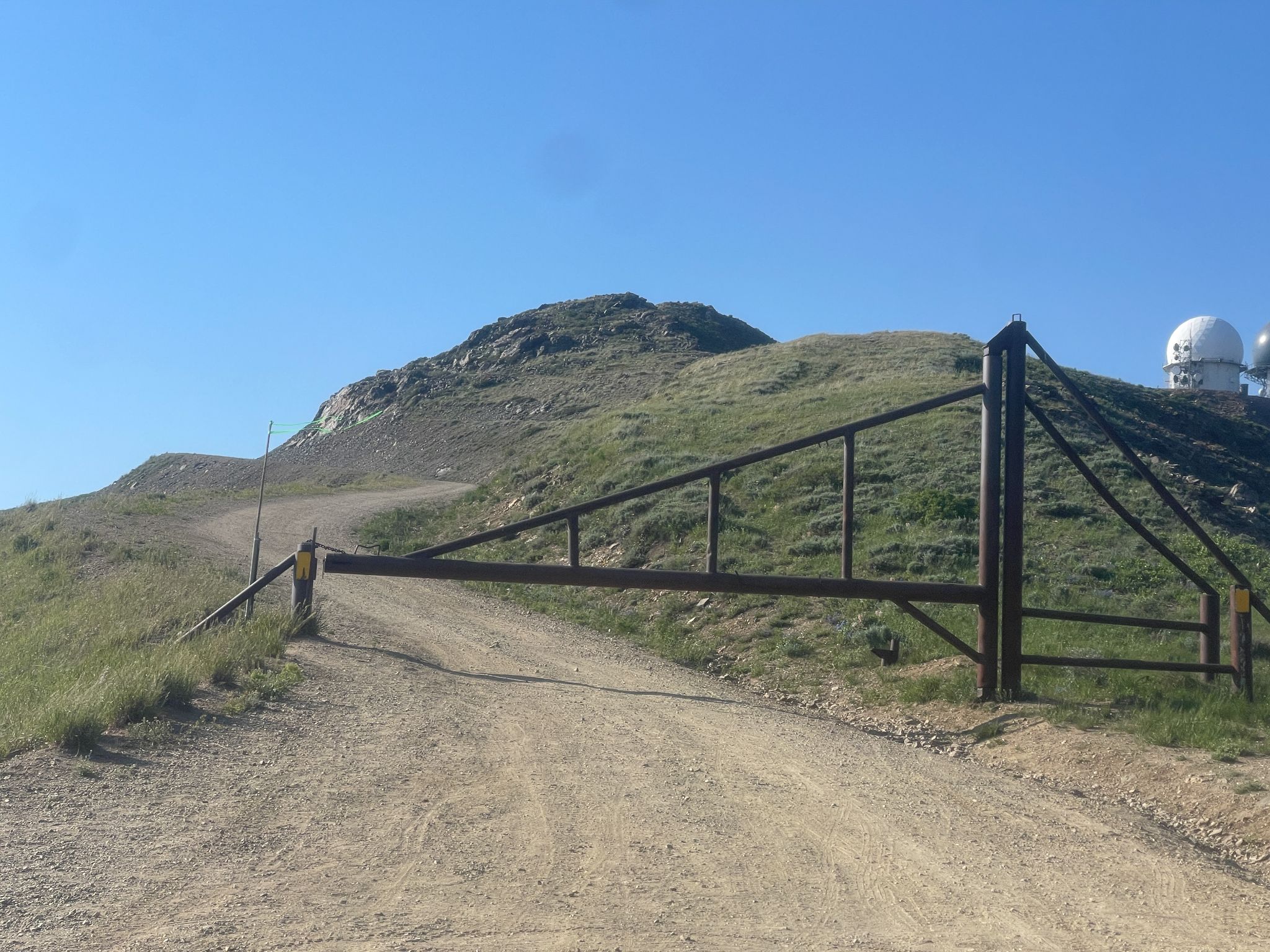
Francis Peak Road doubles as a popular OHV and dirt-bike route, and the National Forest gate near the summit closes seasonally (typically November into late spring) and overnight even when open. Expect company on weekends - trucks, ATVs, and side-by-sides share the road.
PLAN YOUR ROUTE
 We've partnered with Sherpa-Map.com to bring you the best route planning tool. With a PRO Membership you can use this climb as a reference when creating your route.
 Francis Peak climbs 4,974 feet over 13.2 miles for a 7.1% average grade - a steady, sustained effort rather than a series of brutal ramps, though the numbers hide real variation along the way.
The steepest sustained stretch comes early: the toughest quarter-mile averages 11.9%, and the steepest mile on the whole route still runs 10.8%. Effort eases gradually as the road gains elevation - the steepest 2.5-mile window drops to 9.6%, and the steepest 5-mile stretch averages 8.1%. There's no flat or downhill relief built into the profile; it's essentially uphill the entire way, with the final approach to the radar domes running straight, steep, and fully exposed to sun and wind.
Combined with the loose, rough gravel surface (particularly through the upper switchbacks and after dry summer traffic), Francis Peak earns its reputation as one of the hardest gravel climbs anywhere in the country, let alone Utah.
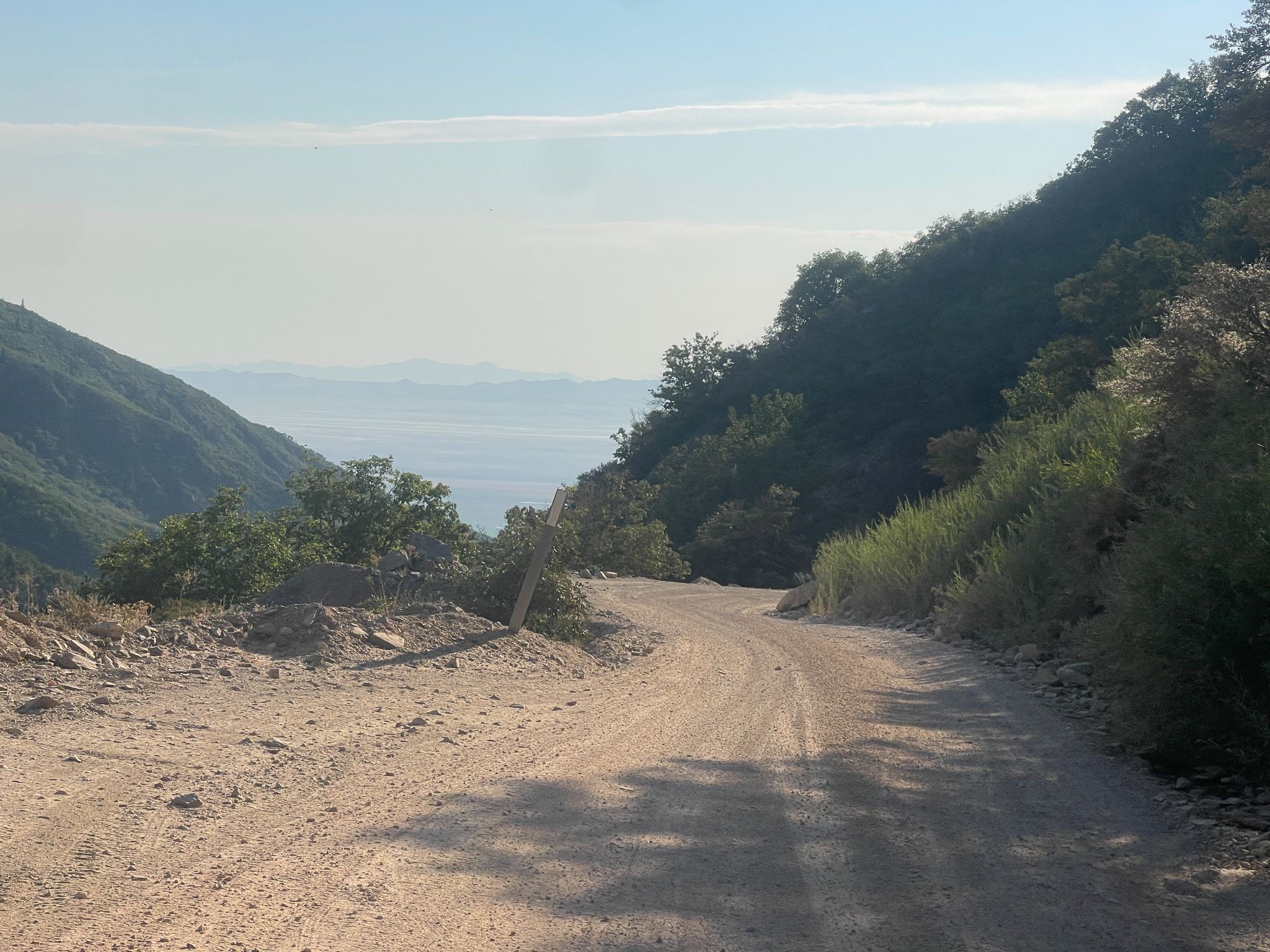
Roadway: The first mile or two out of Farmington is paved, then Farmington Canyon Road turns to gravel for the rest of the climb. Surface quality starts around a 2 out of 5 and roughens with elevation - drier, dustier, and softer through summer, with sand and washboard collecting on the switchbacks from heavy OHV use. Occasional ruts and minor washouts push the difficulty toward a 3 in spots, and snow can linger into early summer, sometimes requiring short hike-a-bike sections. The Forest Service gate near the summit closes seasonally, typically November into late spring, and is generally locked overnight even in season - cyclists can usually get around it on foot or bike via a narrow bypass, but check current status before relying on it.
Traffic: This is a heavily used OHV corridor - expect a steady stream of trucks, ATVs, and side-by-sides, especially on weekends, plus dirt bikes taking blind corners fast. Weekday mornings are noticeably quieter. Stay alert around switchbacks for vehicles descending on the loose surface.
Parking: There's no dedicated trailhead lot at the base. Street parking is available on residential roads near the canyon mouth - there's no dedicated trailhead lot at the bottom. Pavement continues for the first mile or two before giving way to gravel at the forest boundary, where a few pullouts offer alternate parking.
A gravel bike with 35-40c tires is the sweet spot here - wide enough to handle the sand, ruts, and washboard that build up through the switchbacks, especially later in summer. A mountain bike works fine too if that's what you've got; a standard road bike is not a good idea once the pavement ends.
There is no water, food, or services anywhere on the climb - Farmington's the last stop for both. Carry at least two full bottles, more in summer heat, since the upper half of the route is fully exposed with little shade. A basic flat kit and a pump or CO2 are worth having given the rough, occasionally rocky surface; plug-style tubeless repair covers most gravel punctures well.
Layer for a big elevation swing - the summit sits nearly 5,000 feet above the start, so temperatures at the radar domes can be 15-20°F cooler than in Farmington, with wind exposure on the final stretch. Snow patches can linger into early summer, so check conditions before riding in May or June. Sunscreen and eye protection help on the long, exposed final push, and a rear light is smart given the amount of OHV and truck traffic sharing the road.
Before heading out on any cycling adventure check out our Things to Bring on a Cycling Trip and use our interactive check list to ensure you don't forget anything.
Farmington sits about 18 miles north of Salt Lake City along the Wasatch Front, with easy access off I-15 and a stop on Utah Transit Authority's FrontRunner commuter rail line - a workable option if you'd rather not drive. The town itself has grocery stores, gas stations, and casual restaurants clustered near the I-15 interchange and historic Main Street, and it's also home to Lagoon, Utah's largest amusement park, a few minutes from the canyon mouth.
For lodging, Salt Lake City and the airport corridor offer the widest range of hotel options within a 20-30 minute drive; Farmington and neighboring Layton also have a handful of chain hotels closer to the climb itself.
Once you're up top, Francis Peak connects into a broader network of Wasatch gravel riding - Skyline Drive links over toward Bountiful Peak for riders wanting to extend the day into a longer loop, and Farmington Canyon's paved lower section is a popular local training climb on its own.
Salt Lake City's Cottonwood Canyons (Big Cottonwood, Little Cottonwood, Guardsman Pass) are within an hour's drive for more paved climbing.
Best season is typically June through October, once the gate opens and snow clears from the upper switchbacks; check current Forest Service gate status before making the trip in late spring.
ROUTE MAP
MEMBER RATING
CURRENT WEATHER
PJAMM TRIPS ADVENTURE STARTER BUNDLES
Check out PJAMM Adventure's prepackaged (self-guided) cycling trips. They will help you plan, document and conquer your next adventure.
NEARBY CLIMBS (0) RADIAL PROXIMITY
FROM No Climbs Found
MEMBER REVIEWS & COMMENTS
Let us know what you thought of this climb. Signup for our FREE membership to write a review or post a comment.
Already have an account?
LOG IN HERE