
45.9
PDI
29.5 mi
DISTANCE
8,447 ft
GAINED
5 %
AVG. GRADE
FULL CLIMB STATS
INTRO
La Bufa is a 29.5-mile climb that begins near sea level in the village of Las Palmas de Arriba, in the hills above Bucerías and Puerto Vallarta on Mexico's Pacific coast, and climbs 8,447 ft into the Sierra Madre Occidental of Jalisco to finish at 8,139 ft. PJAMM currently ranks it the 57th hardest climb in the world and among the toughest road climbs in Mexico.
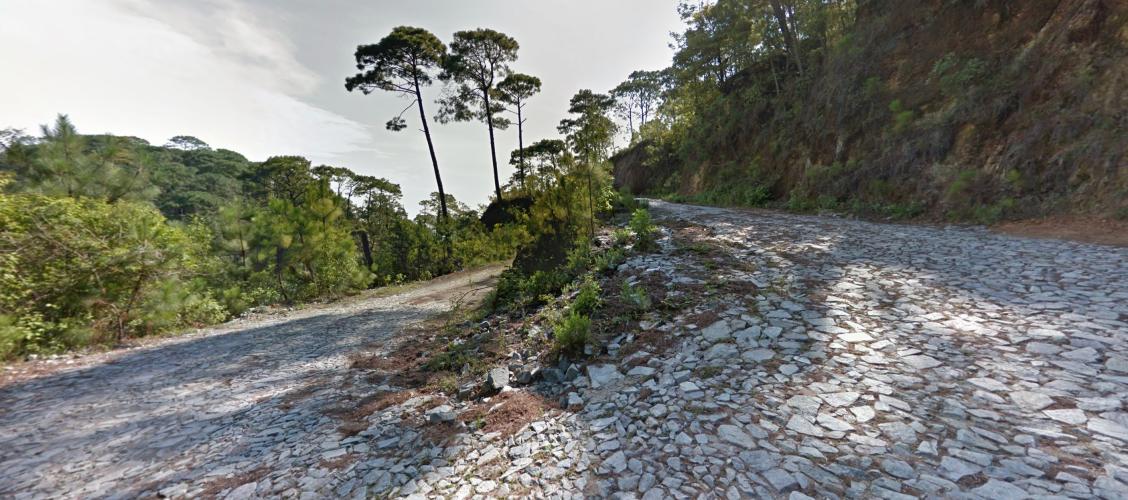
The climb is really three climbs in one. The first two-thirds are smooth, winding pavement through pine-oak forest, gaining elevation past the small settlement of La Estancia. Around mile 23, near a large bridge, a roadside bakery is a near-mandatory stop for fresh bread. From there the road tightens toward the colonial silver-mining town of San Sebastián del Oeste, a designated Pueblo Mágico - and then the real test begins: the final few kilometers to the La Bufa summit are entirely Mexican cobblestone, pitching to reported grades near 25%, steep enough that riders sometimes have to walk sections.
Phil Gaimon, the retired pro cyclist, featured La Bufa on his "Worst Retirement Ever" YouTube series and has held the Strava KOM on the Las Palmas-to-San Sebastián segment. The climb also appears in the annual Vuelta Jalisco gran fondo. Gearing matters - a 39x32 is fine on the paved pitches lower down but has proven inadequate on the steepest cobble higher up.
PLAN YOUR ROUTE
 We've partnered with Sherpa-Map.com to bring you the best route planning tool. With a PRO Membership you can use this climb as a reference when creating your route.
 At 4.98% average over 29.5 miles, La Bufa's overall number looks moderate - but that average hides a very lopsided profile. The lower two-thirds roll gently through forest and small villages, rarely exceeding high single digits for long. The final section flips that completely: as the route approaches San Sebastián del Oeste and then La Bufa itself, sustained double-digit paved pitches give way to a cobblestone finish with reported ramps as steep as 25%. Save something in reserve for the last few kilometers - this is where the climb is actually won or lost, not on the long approach.
Roadway: The first ~20 miles out of Las Palmas de Arriba are smoothly paved, winding through pine-oak forest with only occasional rough patches. Past the bakery stop near the bridge around mile 23, the surface degrades - broken pavement gives way to dirt and then genuine Mexican cobblestone for the final few kilometers into San Sebastián del Oeste and up to La Bufa. Expect loose stones, uneven joints, and standing water on the cobbled sections after rain; wider tires (28-30mm+) are a real asset up here even though most of the route below is smoothly paved.
Traffic: This is a quiet rural mountain road with light local traffic - pickup trucks, the occasional bus serving San Sebastián del Oeste, and farm vehicles. It's not a major thoroughfare, but blind corners and no shoulder mean staying alert, especially on the descent. No reports of closures or construction turned up as of August 2026; check locally before a summer/fall trip since the upper sections can wash out or see rockfall during Jalisco's rainy season (roughly June-October).
Parking: There's no formal trailhead or lot - riders park informally along the road in Las Palmas de Arriba, the village where the climb begins, or arrange a shuttle/support vehicle through a local tour operator. Bici Bucerías, based in nearby Bucerías, runs supported group rides on this exact route.
Tire choice matters here more than on most PJAMM climbs - the paved sections are fine on 28mm, but the final cobblestone kilometers reward something wider (30-32mm+) and lower gearing than the 4.98% average would suggest. Local guided-tour operators have found a compact 39x32 workable on the steep paved pitches but inadequate once the cobbles start, where grades have been reported near 25%; a wide-range 1x setup or a triple is worth having in reserve if you own one. Pack real food and water for the full 29.5 miles - services thin out fast past Las Palmas de Arriba, though the roadside bakery near the bridge around mile 23 is a legitimate resupply stop worth the visit regardless. San Sebastián del Oeste has small shops and restaurants if you want a longer break before the final push to La Bufa.
Before heading out on any cycling adventure check out our Things to Bring on a Cycling Trip and use our interactive check list to ensure you don't forget anything.
San Sebastián del Oeste, at the foot of the final climb, is a former silver-mining town now designated a Pueblo Mágico - its cobblestone plaza, colonial church, and small hotels make it worth an overnight if you'd rather split the ride or explore the area than climb and descend in one day. Bucerías and Puerto Vallarta, both roughly 90 minutes away by road, have full tourist infrastructure - flights, rental cars, bike shops - and are the practical base for most riders. Bici Bucerías, a local outfitter, runs supported group rides up La Bufa and can help with bike rental, route knowledge, and sag support, worth considering given how remote the upper section is. Plan around Jalisco's rainy season (roughly June-October), when the cobblestone and dirt sections are most likely to be wet, loose, or washed out; the cooler, drier months (November-April) are the more reliable window.
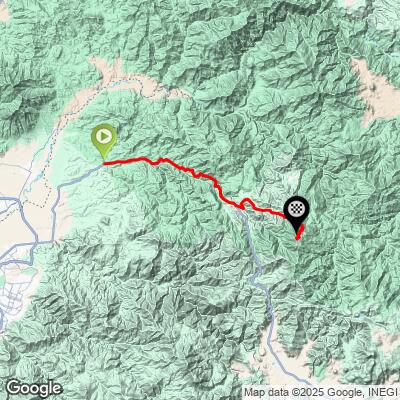
ROUTE MAP
MEMBER RATING
CURRENT WEATHER
PJAMM TRIPS ADVENTURE STARTER BUNDLES
Check out PJAMM Adventure's prepackaged (self-guided) cycling trips. They will help you plan, document and conquer your next adventure.
NEARBY CLIMBS (0) RADIAL PROXIMITY
FROM No Climbs Found
MEMBER REVIEWS & COMMENTS
Let us know what you thought of this climb. Signup for our FREE membership to write a review or post a comment.
Already have an account?
LOG IN HERE
