33.4
PDI
17.9 mi
DISTANCE
5,636 ft
GAINED
6 %
AVG. GRADE
FULL CLIMB STATS
INTRO
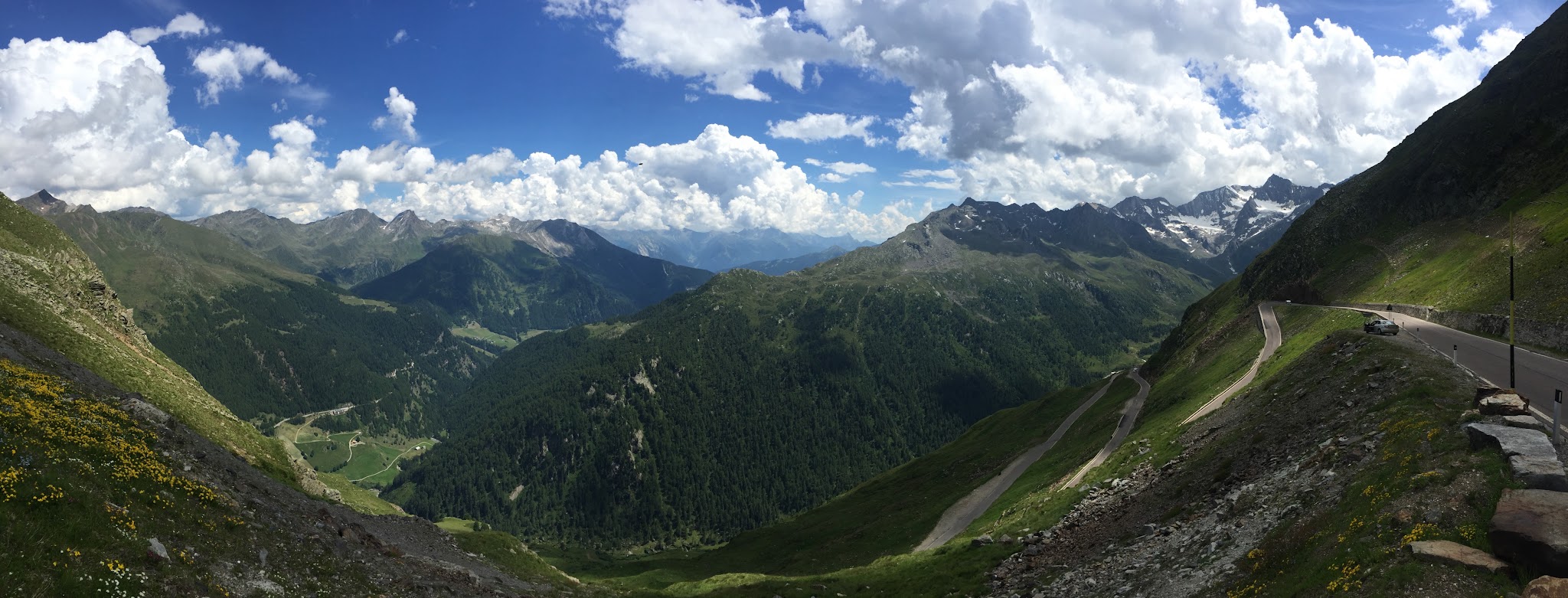
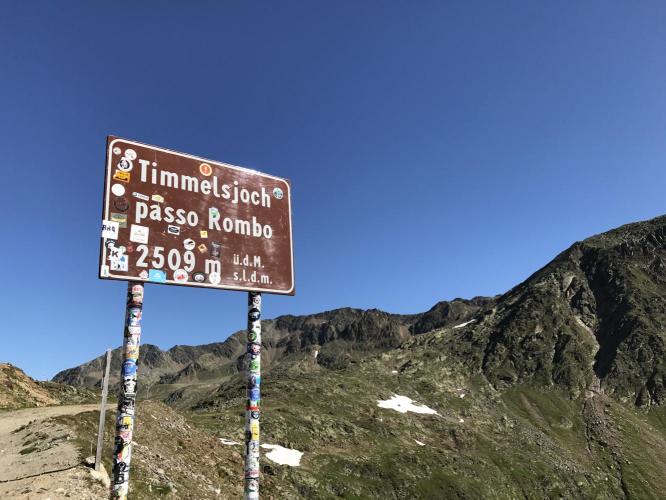
Passo del Rombo - known on the Austrian side as the Timmelsjoch - is the Italian approach to one of the highest paved passes in the Eastern Alps, climbing to the Italian/Austrian border above 2,300 meters. From the same San Leonardo in Passiria roundabout that starts our Jaufenpass climb, this side runs 17.9 miles and gains 5,636 feet at a 6.0% average grade - nearly 50% longer than Jaufenpass, spread over an easier average gradient.
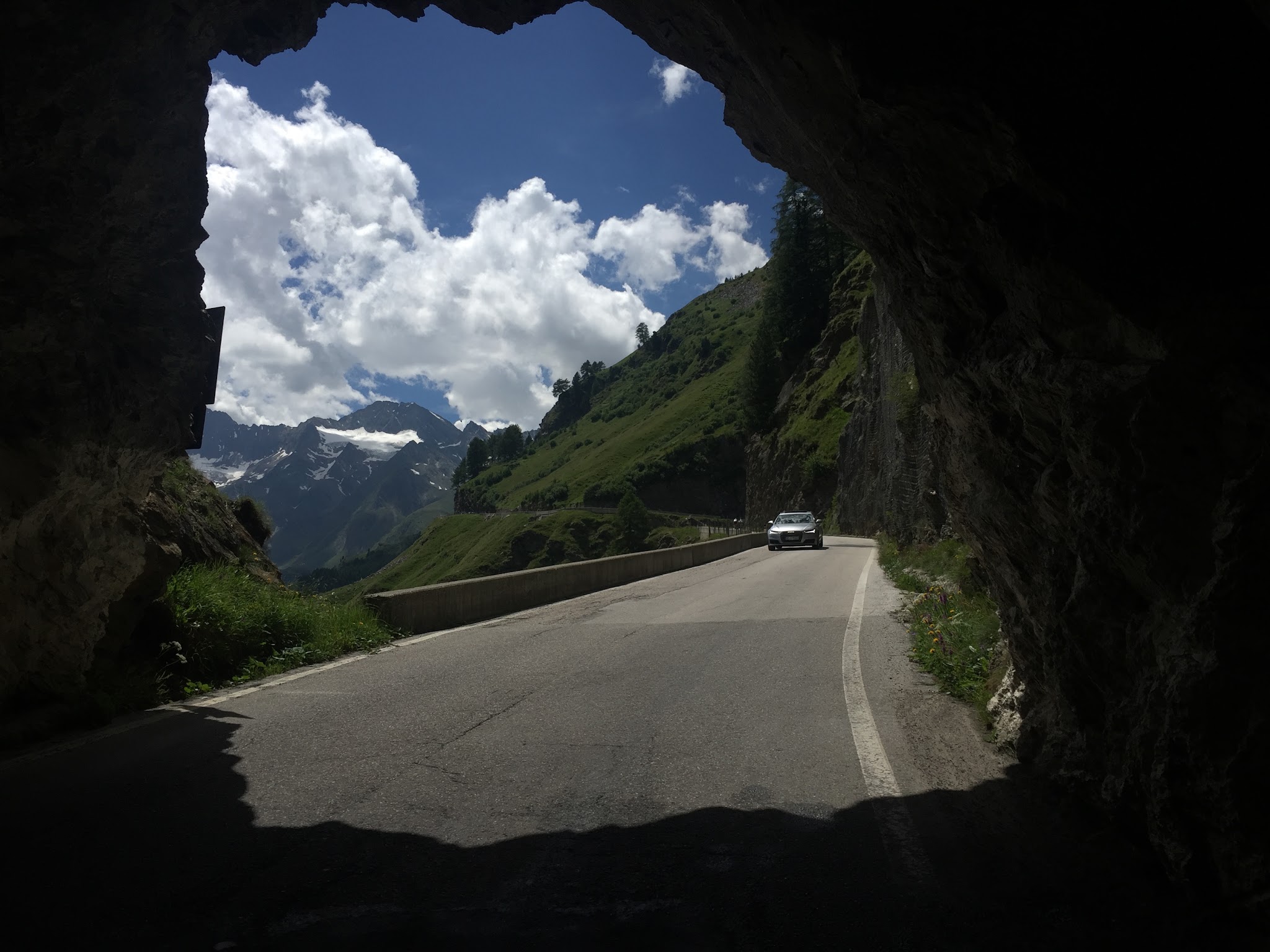
What makes it distinctive: the road passes through Moso in Passiria partway up, then works through a long series of numbered tunnels - about 16 in total, the longest over half a kilometer - cut into dramatic cliff faces on the upper half. Bring real lights; several of the tunnels are unlit or poorly lit even in daytime.
This is a seasonal high-alpine road. For 2026 it's scheduled open roughly mid-May through October (full summer/autumn hours 08:00-18:00 daily), closed the rest of the year for snow and avalanche risk. Beyond the border on the Austrian side, the road continues as the tolled Timmelsjoch High Alpine Road down to Sölden - the Italian side itself is toll-free but closed to buses, trucks, and trailers.
PLAN YOUR ROUTE
 We've partnered with Sherpa-Map.com to bring you the best route planning tool. With a PRO Membership you can use this climb as a reference when creating your route.
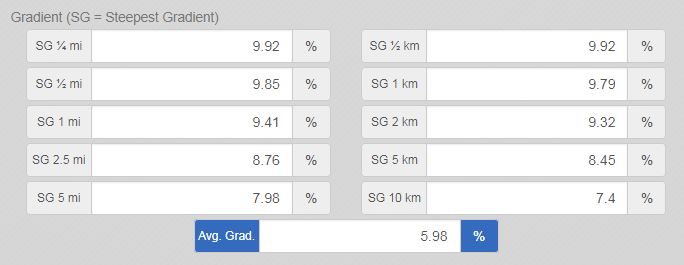
 The climb averages 6.0% over 17.9 miles, gaining 5,636 feet as it rises from San Leonardo (1,951 ft) to the Italian/Austrian border (7,566 ft). It's a long, steady grade without major pitches - the steepest kilometer is 9.7%, the steepest quarter-mile 9.9%, and the steepest 100 yards just 10.7%, more even than most climbs of this length.
Roadway: Pavement is generally in good condition and well maintained throughout, though - like its Jaufenpass neighbor - it mixes newer resurfaced sections with rougher, narrower older stretches. The defining feature is the run of roughly 16 numbered tunnels cut into the cliffs on the upper half, several of which are unlit or poorly lit - bring a genuinely bright front and rear light, not just a be-seen blinker.
Traffic: Busier than Jaufenpass in peak summer, since this is the more famous of the two passes and a destination ride for motorcyclists in particular, but traffic drops off sharply outside July-August and in the early morning. The Italian side is closed to buses, trucks, caravans, and trailers, which keeps large vehicles out of the narrow tunnel sections.
Parking: Same San Leonardo in Passiria starting roundabout as our Jaufenpass climb - see that page for in-town parking detail. Moso in Passiria, about a third of the way up, is the last village with real services before the long, unbroken climb to the border.
There's nothing at all past Moso in Passiria - no water, food, or shelter - for the final two-thirds of the climb, so top off bottles and eat before leaving the village.
Bring a real bike light for the unlit tunnel sections regardless of time of day. Gearing: the grade itself is manageable on standard road gearing, but the sheer length (17.9 miles, over 5,600 feet of gain) rewards a compact or wide-range cassette for the closing miles.
Before heading out on any cycling adventure check out our Things to Bring on a Cycling Trip and use our interactive check list to ensure you don't forget anything.
This is a long, remote high-alpine road with no services for most of its length, so check conditions before you commit - weather at 7,500+ feet can turn fast even on a clear morning down in the valley; our Weather tool is worth a look before heading out.
The pass is seasonal (scheduled open roughly mid-May through October for the 2026 season, closed the rest of the year for snow), so confirm it's actually open before planning a trip outside summer. Riders combining this with Jaufenpass from the same San Leonardo base should plan for a genuinely long day - together the two climbs add up to nearly 30 miles of pure climbing.
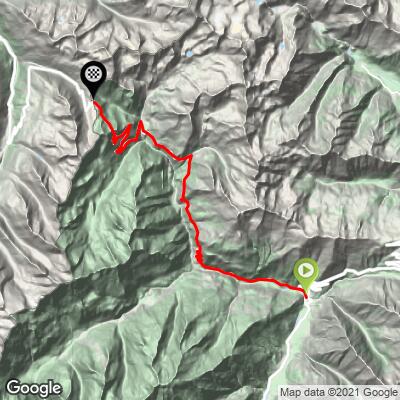
ROUTE MAP
MEMBER RATING
CURRENT WEATHER
PJAMM TRIPS ADVENTURE STARTER BUNDLES
Check out PJAMM Adventure's prepackaged (self-guided) cycling trips. They will help you plan, document and conquer your next adventure.
NEARBY CLIMBS (0) RADIAL PROXIMITY
FROM No Climbs Found
MEMBER REVIEWS & COMMENTS
Let us know what you thought of this climb. Signup for our FREE membership to write a review or post a comment.
Already have an account?
LOG IN HERE