28.1
PDI
9.6 mi
DISTANCE
4,031 ft
GAINED
8 %
AVG. GRADE
FULL CLIMB STATS
INTRO
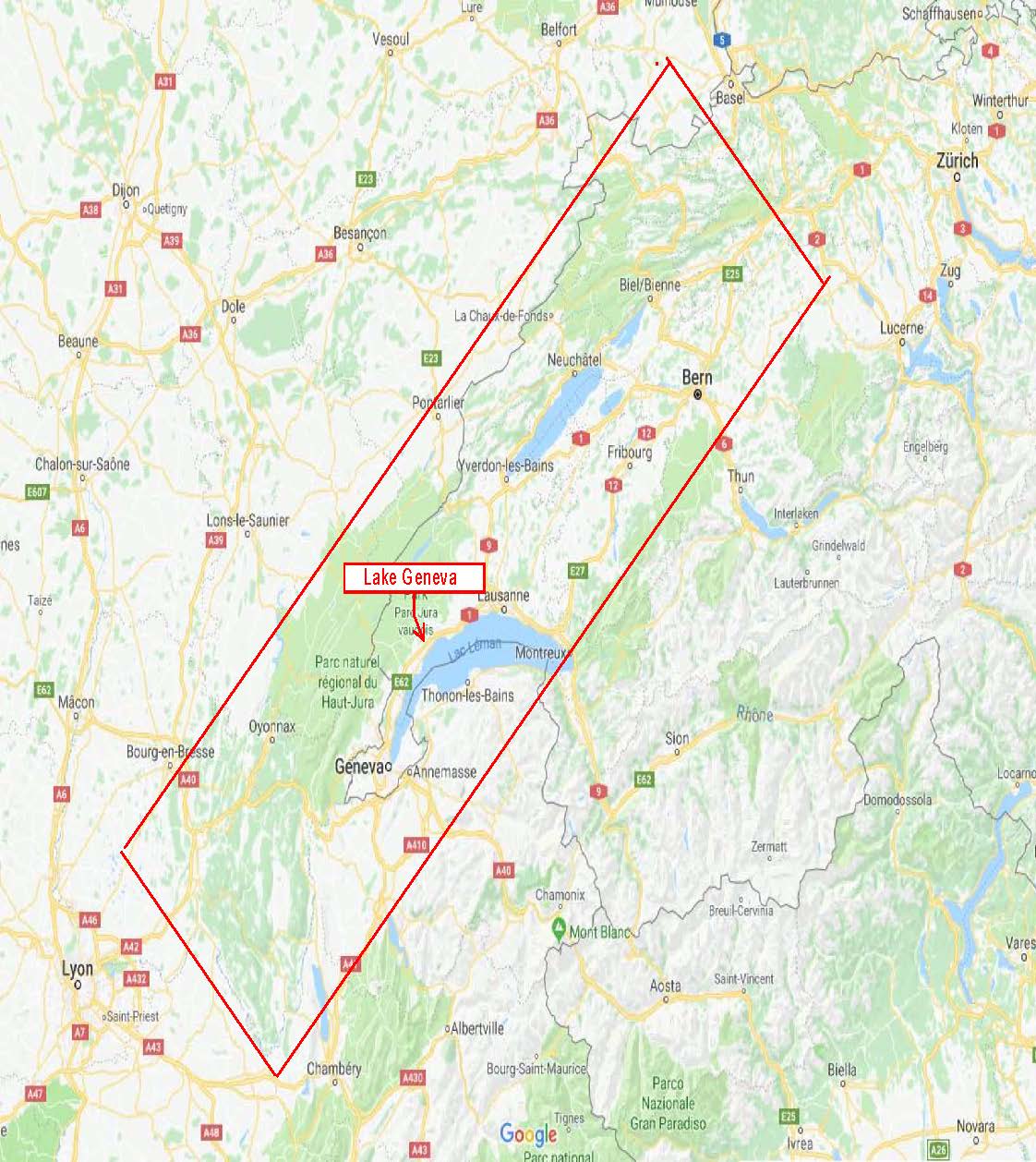
Col du Grand Colombier is one of the toughest limestone peaks in France's Jura Mountains, rising above the Valromey valley in the Ain department of Auvergne-Rhône-Alpes. Of the mountain's four paved approaches, the Artemare route - via the D31L and the Selle de Fromentel - is the hardest, climbing 15.4 km (9.6 mi) at an average grade of 8.0% and gaining 1,229 m (4,031 ft) to the 1,481 m (4,860 ft) summit.
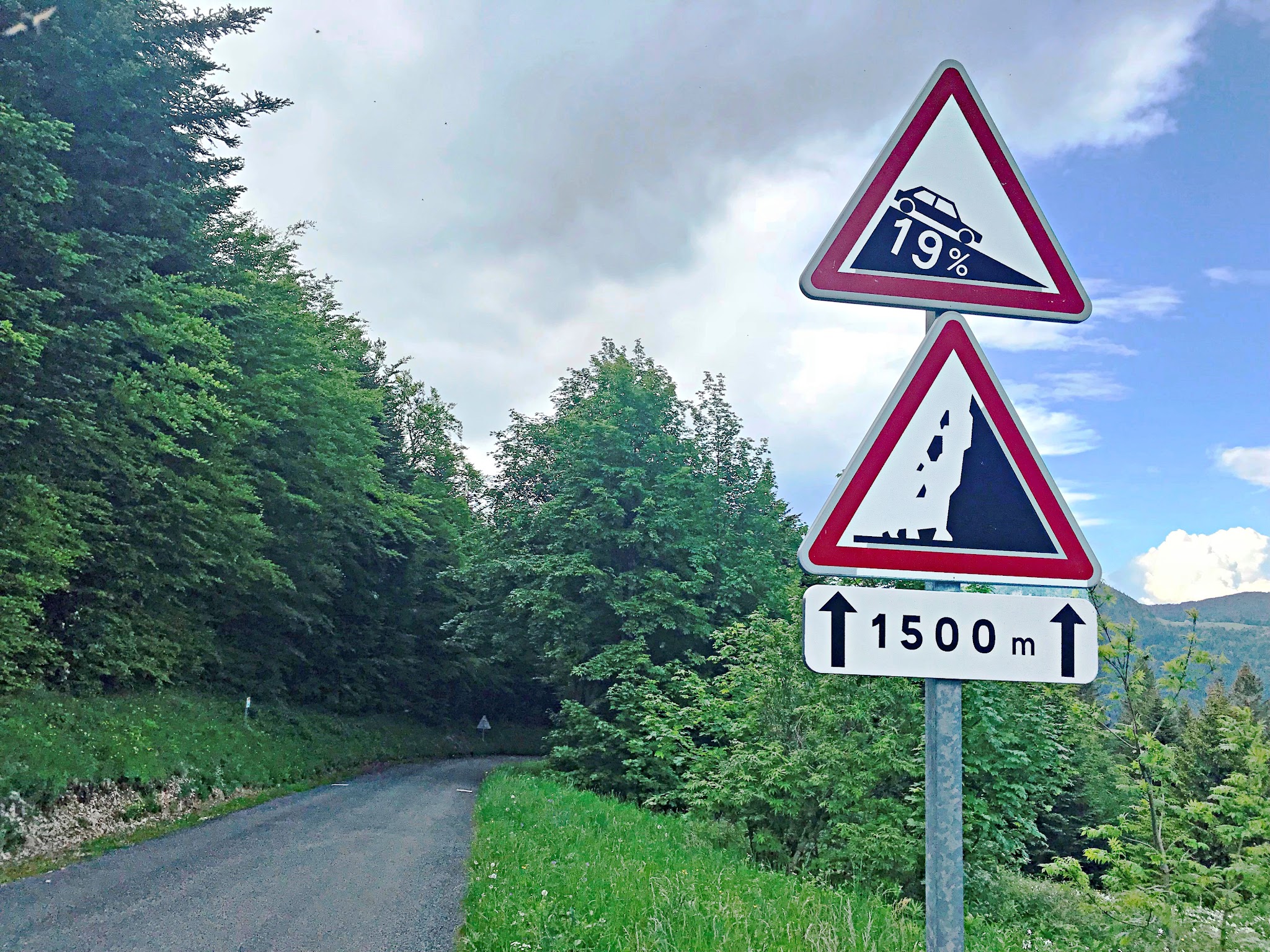
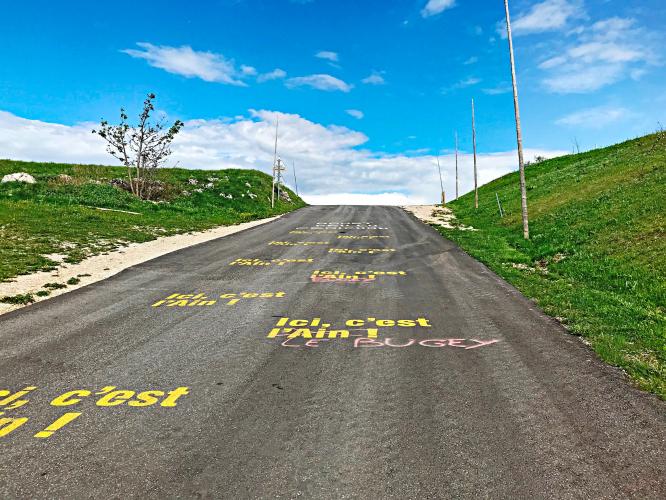
The climb starts deceptively easy, rolling through open farmland for several kilometers before the road ducks into forest and the grade jumps hard - the steepest kilometer averages 15.3%, with a short section reported as steep as 18-22%. That combination has earned Grand Colombier its Hors Catégorie rating and a reputation as one of the hardest single climbs in France.
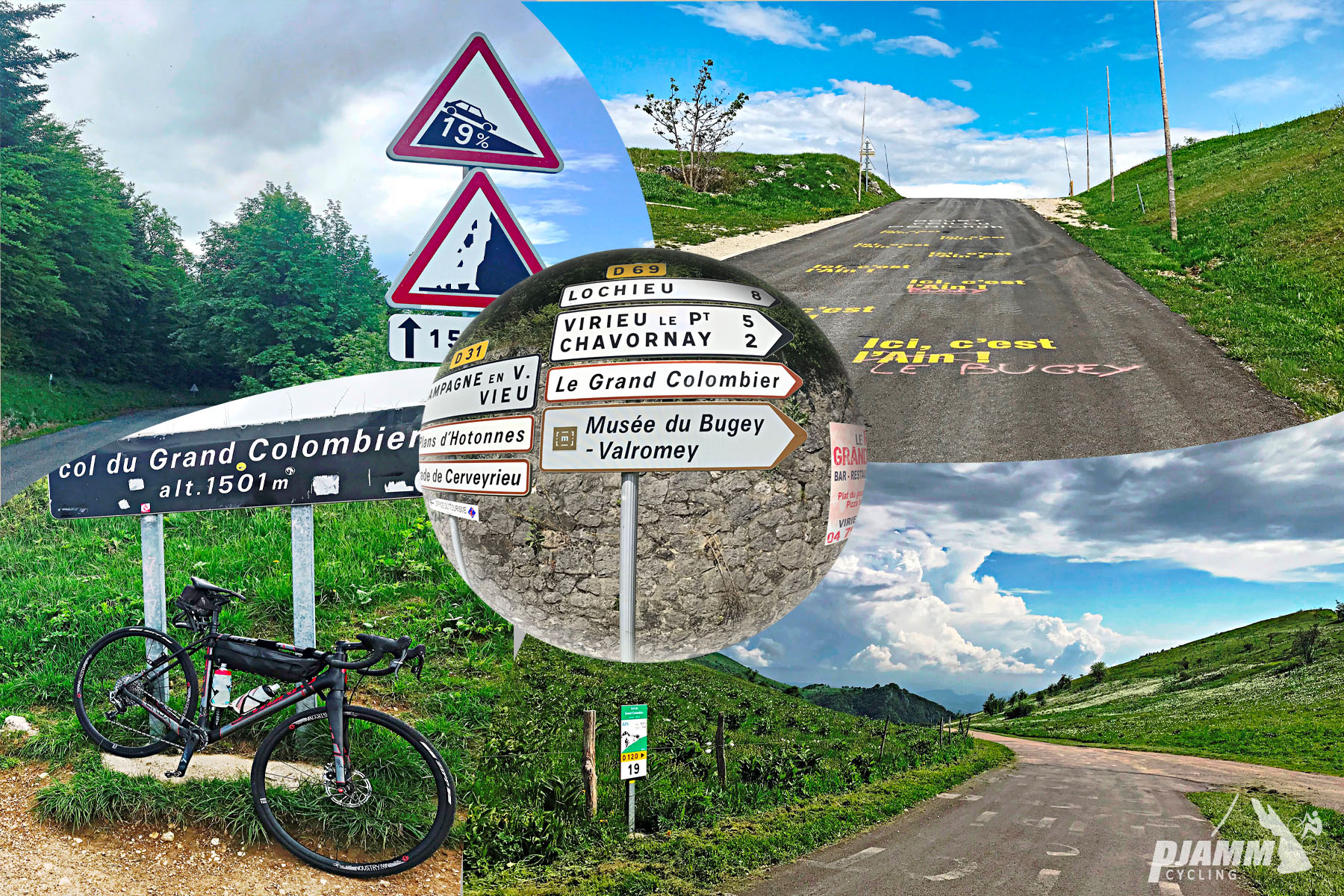
The mountain has been a fixture of the Tour de France, summited five times since 2012 (2012, 2016, 2017, 2020, and 2023) - though all of those stages climbed via the Culoz or Anglefort sides. The Artemare road stays out of the spotlight, meaning quieter riding to the same summit and the same panoramic views across the Rhône valley toward the Alps. It's typically open from May through October and closed by snow in winter.
PLAN YOUR ROUTE
 We've partnered with Sherpa-Map.com to bring you the best route planning tool. With a PRO Membership you can use this climb as a reference when creating your route.
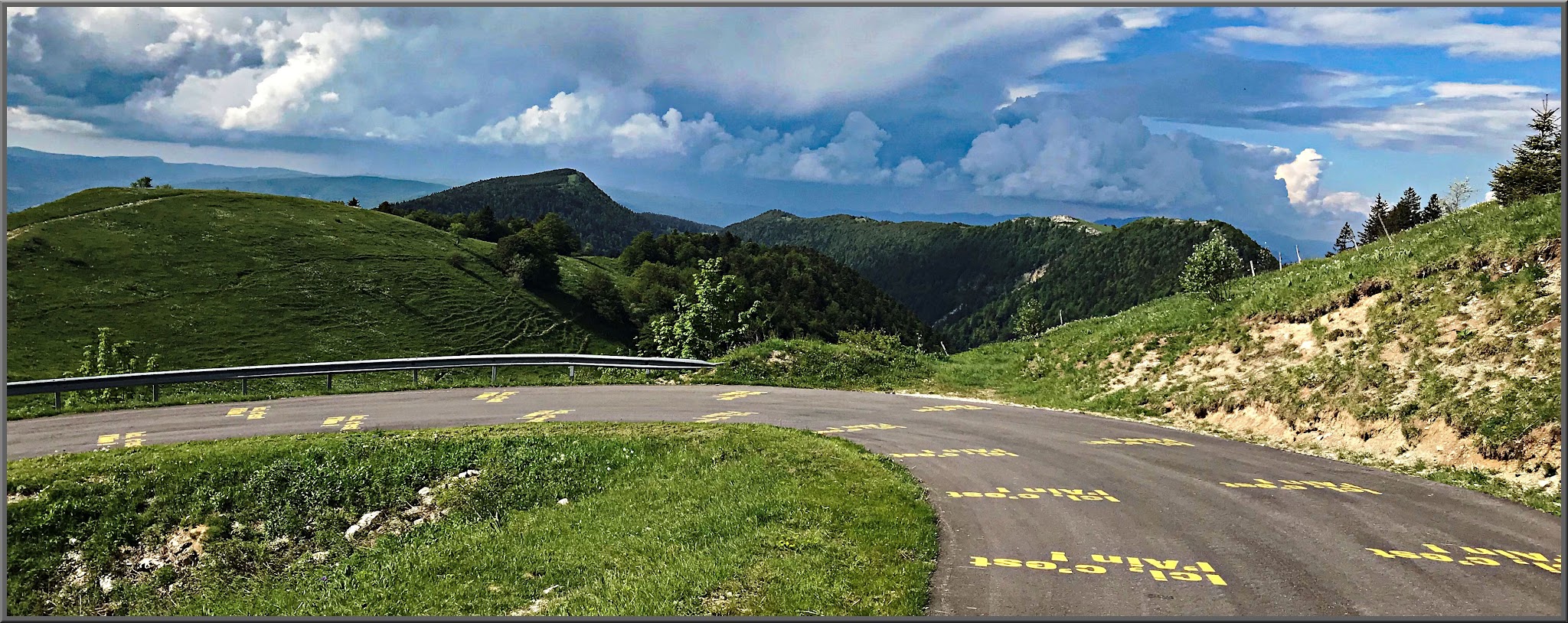
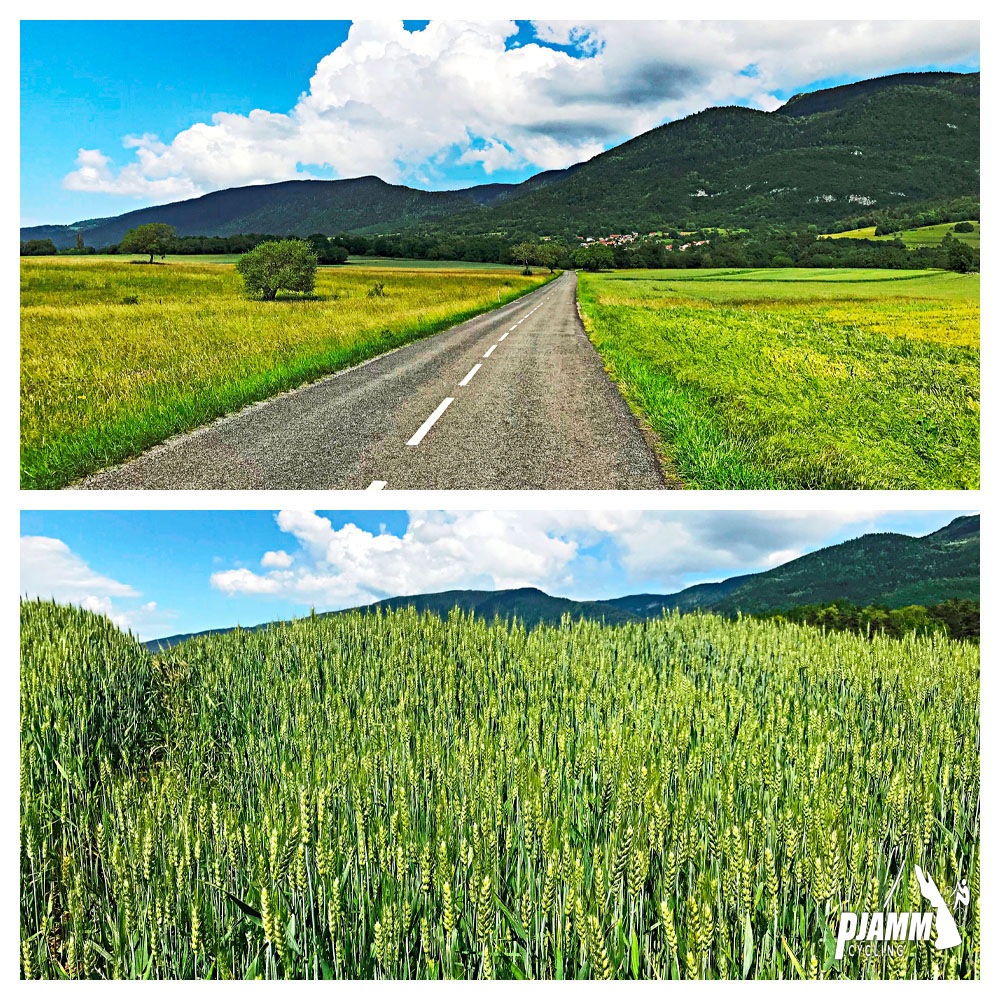
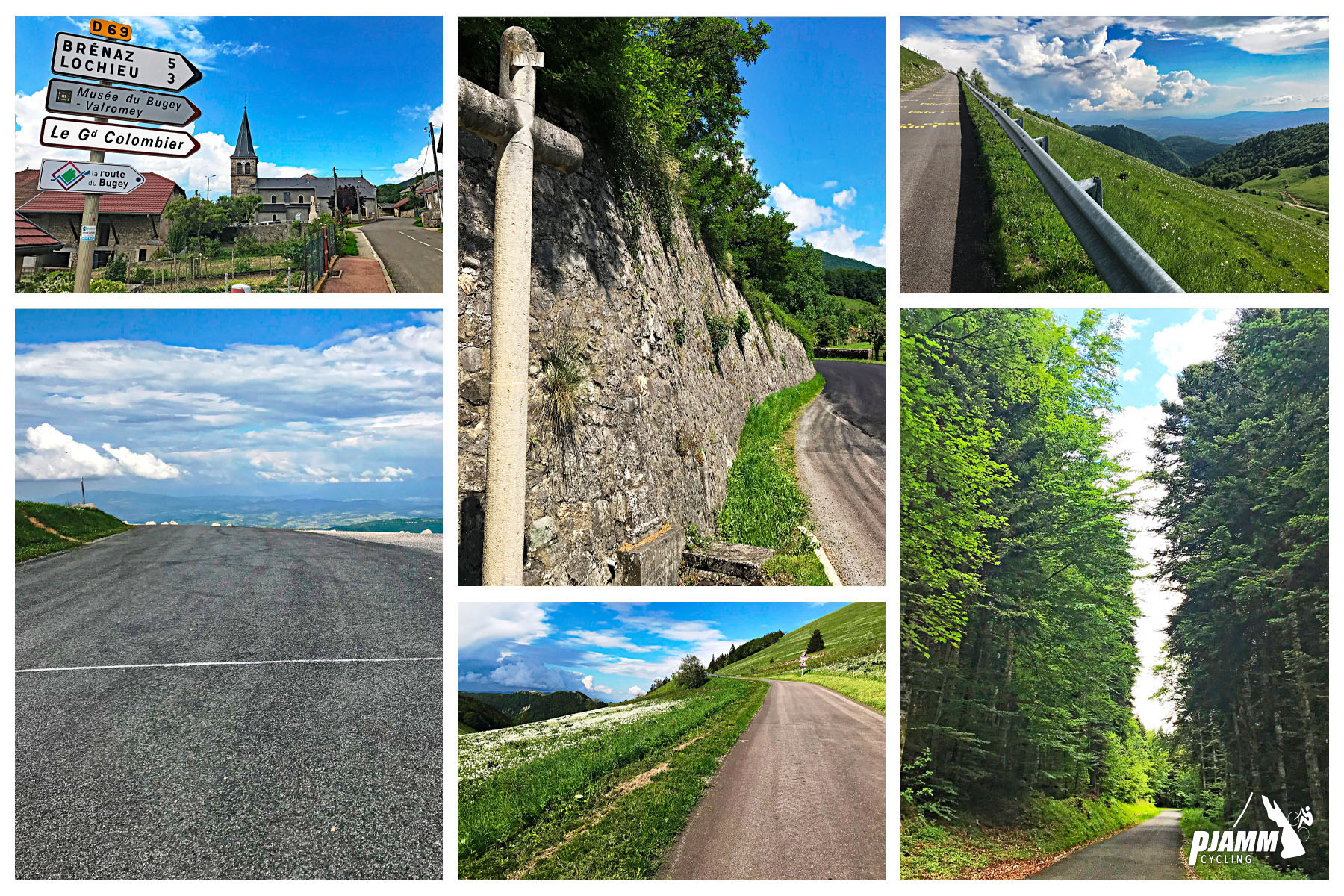
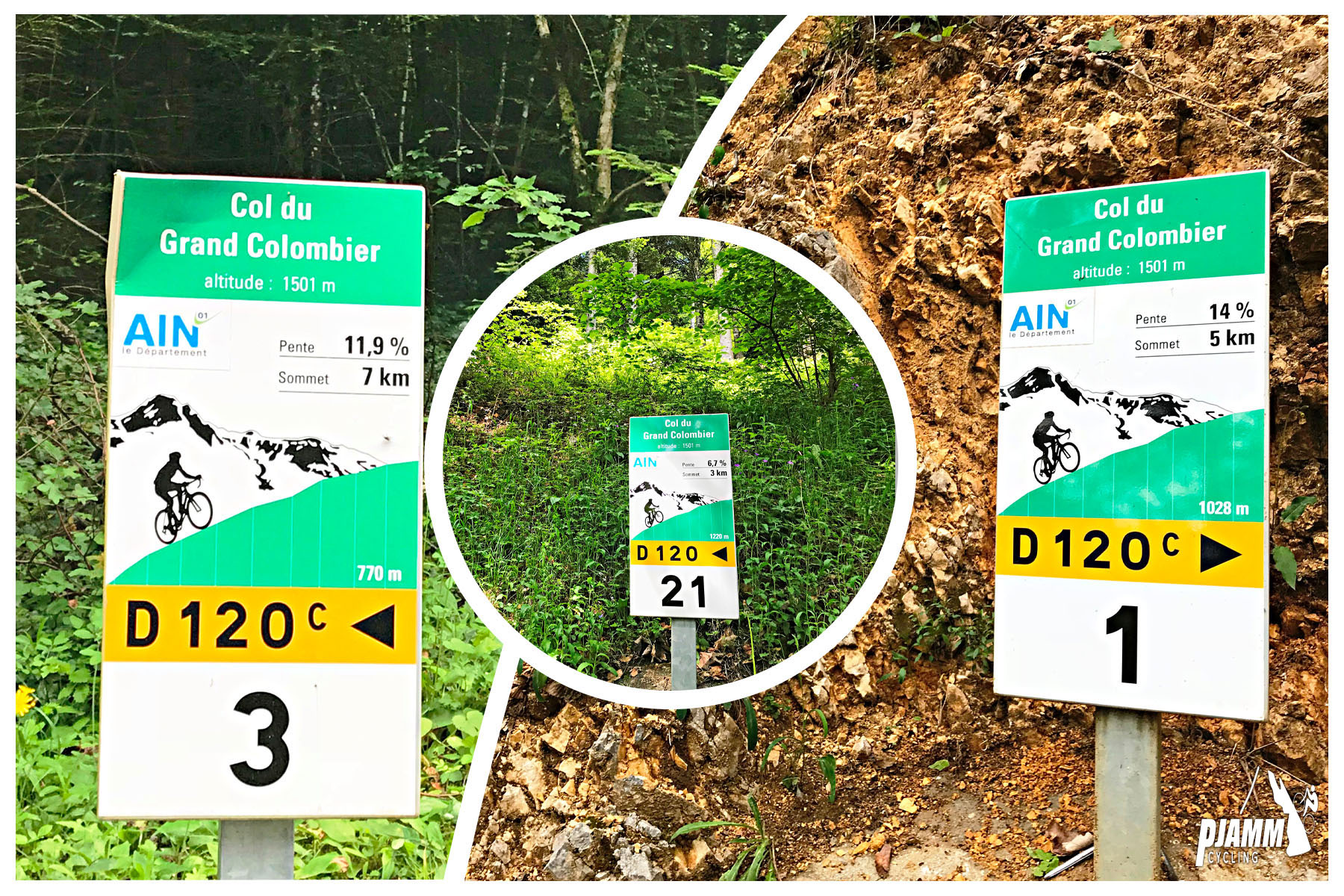
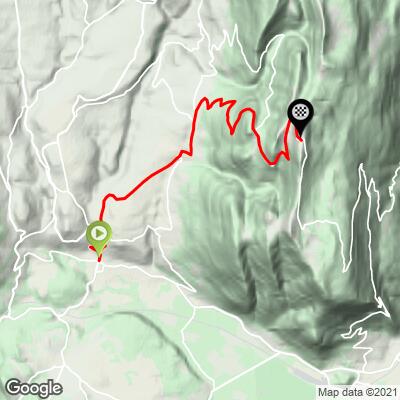
 The Artemare side of Col du Grand Colombier averages 8.0% over 15.4 km (9.6 mi), gaining 1,229 m (4,031 ft) from Artemare (252 m / 828 ft) to the 1,481 m (4,860 ft) summit. The route starts with a short bend out of town before settling into open farmland through the middle kilometers. The road then turns into forest, where the climb's steepest kilometer averages 15.3%, with brief ramps reported as steep as 18-22% on the tightest pitches. The final couple of kilometers open back up into pasture before the summit, easing only slightly from the grades below.
Roadway: The D31L is paved the entire way from Artemare to the summit, and current rider reports describe good pavement through both the open farmland and the forested midsection. The road is typically closed by snow from November through April, so check the Ain department's road status before planning a late-fall or early-spring ascent.
Traffic: Traffic is light throughout. This side of the mountain has never hosted a Tour de France stage and sees far fewer riders and cars than the Culoz or Anglefort approaches - expect quiet farm roads through the middle of the climb and a mostly car-free stretch through the forest, with only a handful of tourists near the summit in peak season.
Parking: Riders typically park along Rue du Stade in Artemare, a short pedal from the D31L/D690 intersection where the climb starts. There's no formal lot at the summit, but there's enough shoulder space to regroup near La Pause du Grand Colombier, a summer-only snack stand at the top shared by all four approaches to the col.
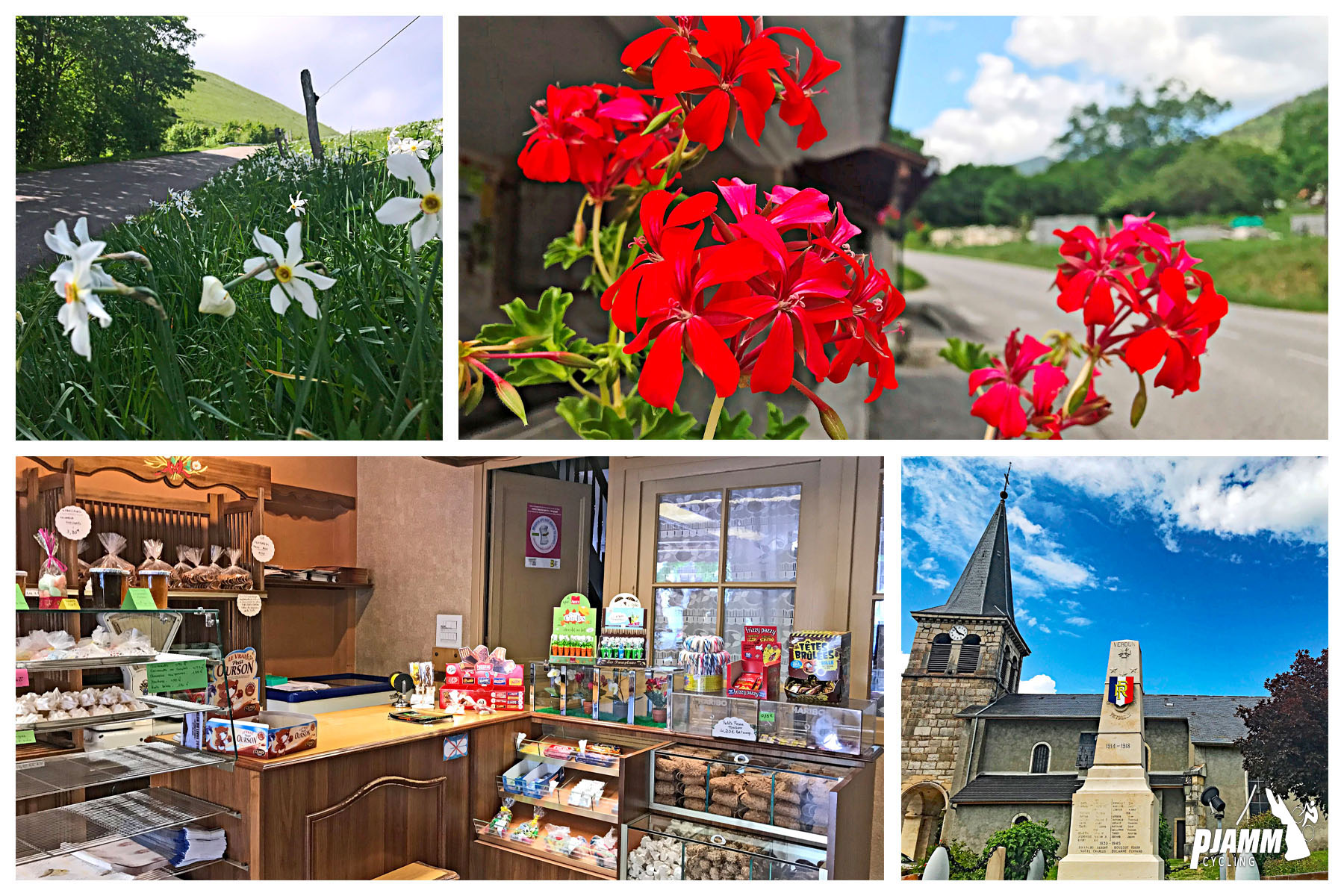
There's a bakery just around the corner from the start in Artemare - a good spot for a pre-ride coffee and pastry - along with Restaurant Le Séran and the hotel-restaurant Les Caudalies in the village center. Once you leave town there's nothing until the summit, where a seasonal crepe stand (La Pause du Grand Colombier) operates in summer only. The Auberge du Grand Colombier, a full restaurant with Alps views, sits a bit further down the Culoz side - worth targeting if you're combining routes rather than doing an Artemare out-and-back. Carry enough water and food for the whole climb either way, especially through the exposed farmland before the forest offers some shade.
Before heading out on any cycling adventure check out our Things to Bring on a Cycling Trip and use our interactive check list to ensure you don't forget anything.
Artemare is a small, quiet base in the Valromey valley at the southern edge of the Jura, with basic services in town and easy access to all four sides of Grand Colombier. The climb rides best between May and October; the col and its approach roads close with the first heavy snow and can stay blocked well into spring. Since Artemare, Culoz, Anglefort, and Lochieu all reach the same summit by different roads, our Routes in the Area tool is worth checking if you're planning to ride more than one side of the mountain during your stay.
ROUTE MAP
MEMBER RATING
CURRENT WEATHER
PJAMM TRIPS ADVENTURE STARTER BUNDLES
Check out PJAMM Adventure's prepackaged (self-guided) cycling trips. They will help you plan, document and conquer your next adventure.
NEARBY CLIMBS (0) RADIAL PROXIMITY
FROM No Climbs Found
MEMBER REVIEWS & COMMENTS
Let us know what you thought of this climb. Signup for our FREE membership to write a review or post a comment.
Already have an account?
LOG IN HERE