40
PDI
16.2 mi
DISTANCE
5,867 ft
GAINED
6.7 %
AVG. GRADE
FULL CLIMB STATS
INTRO
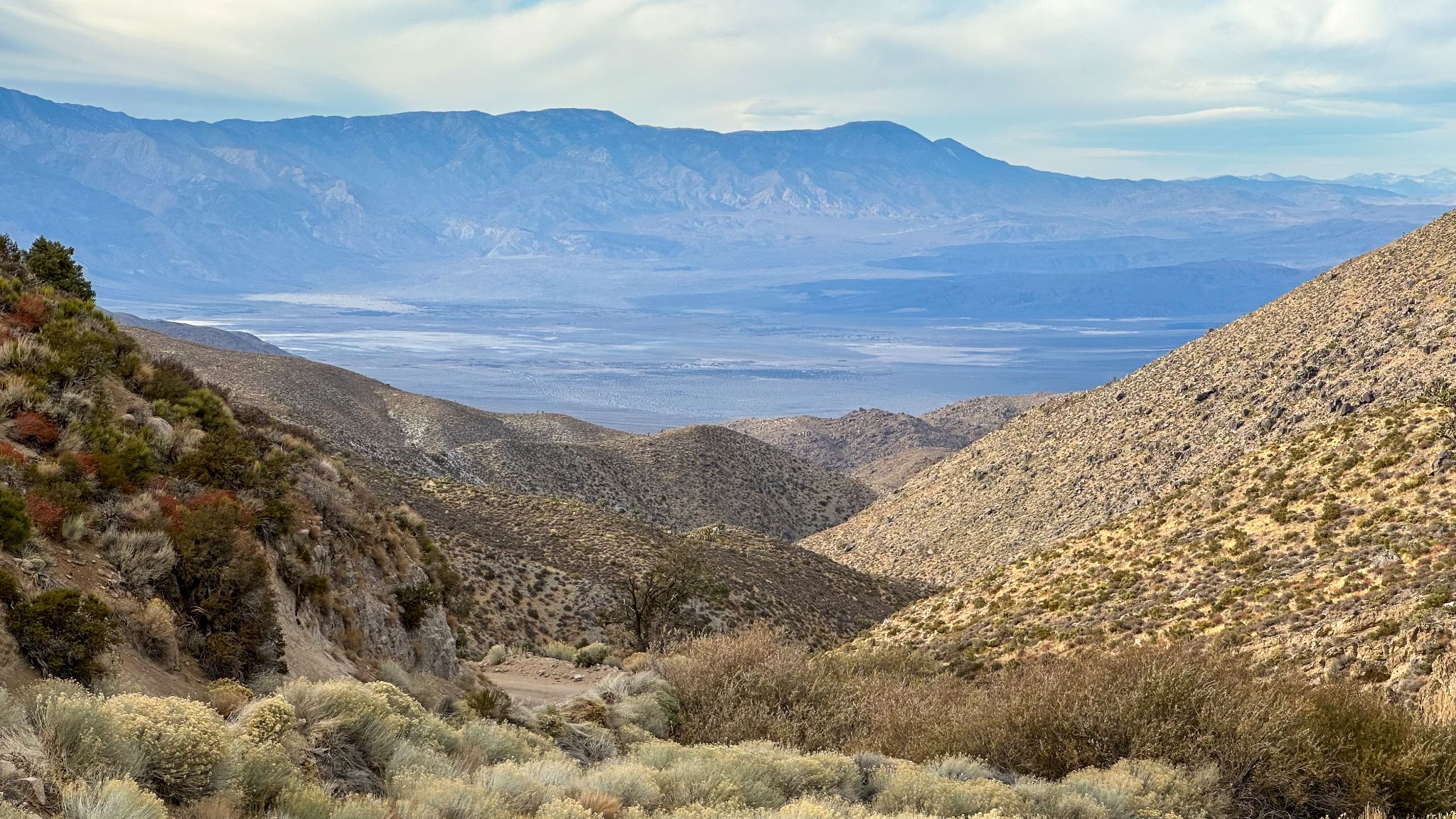
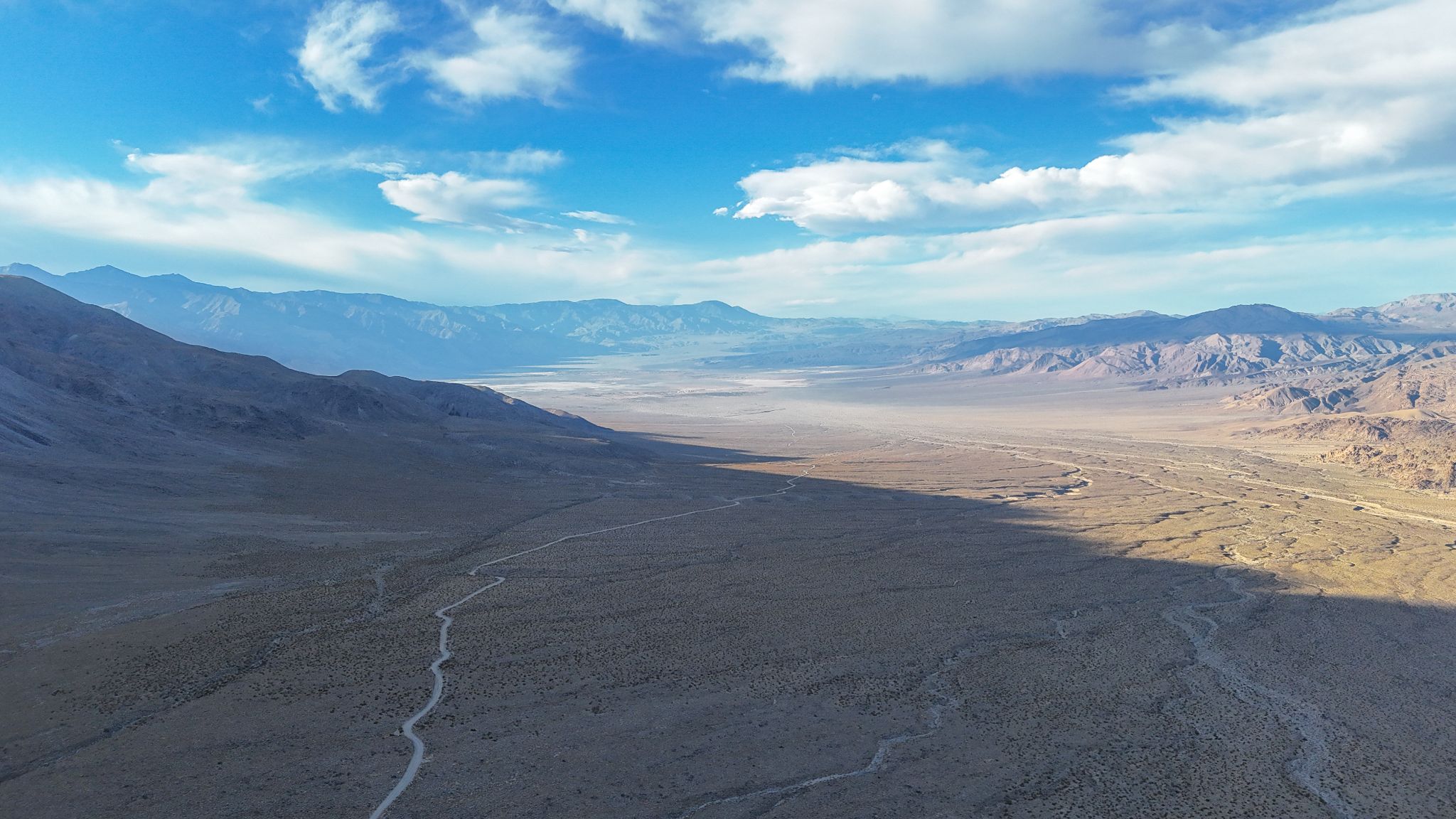
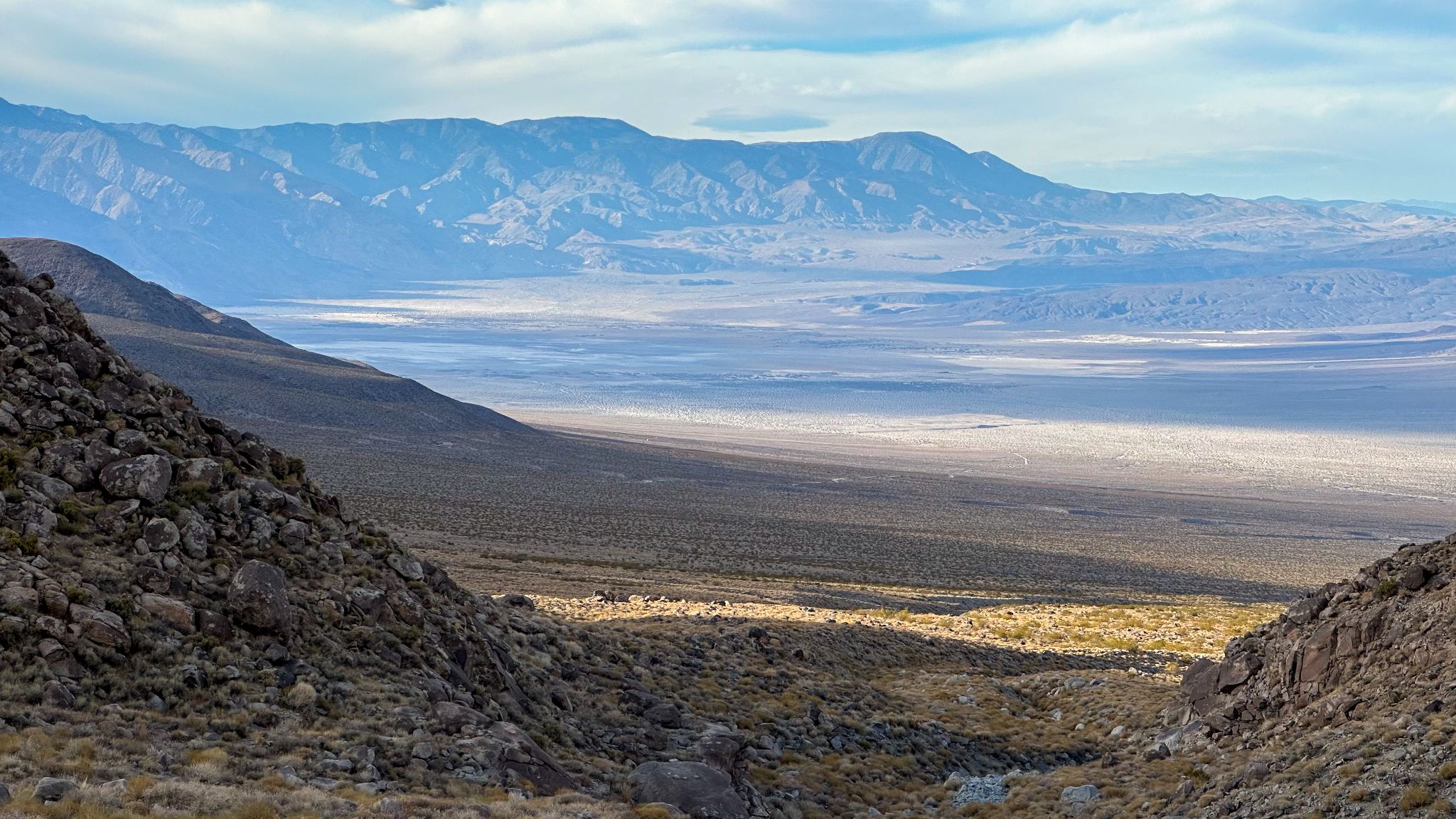
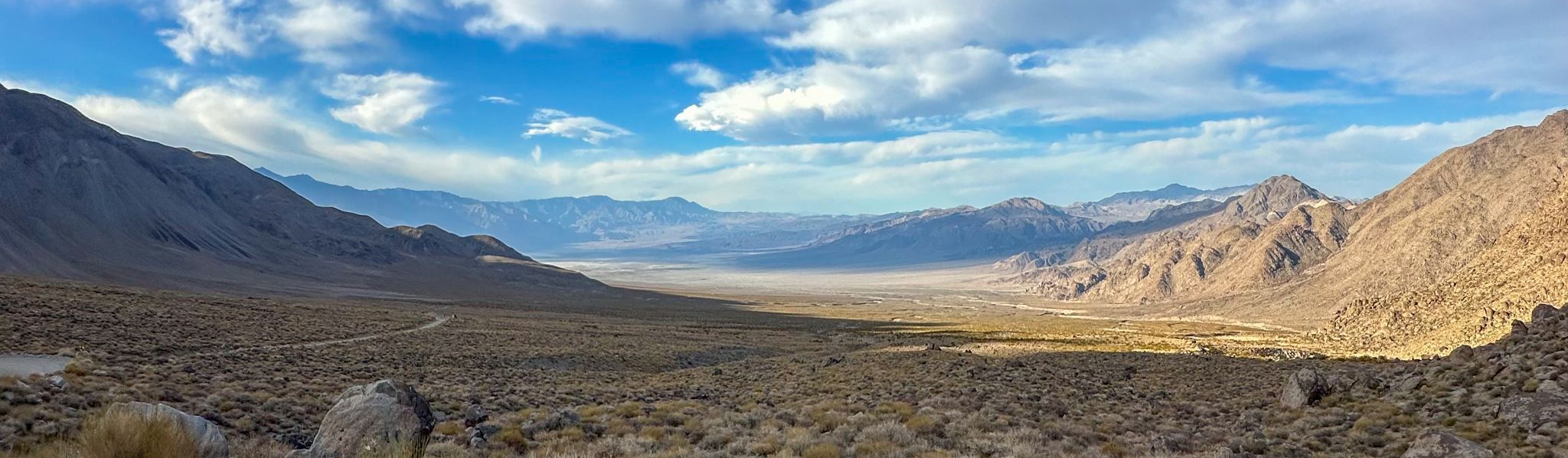
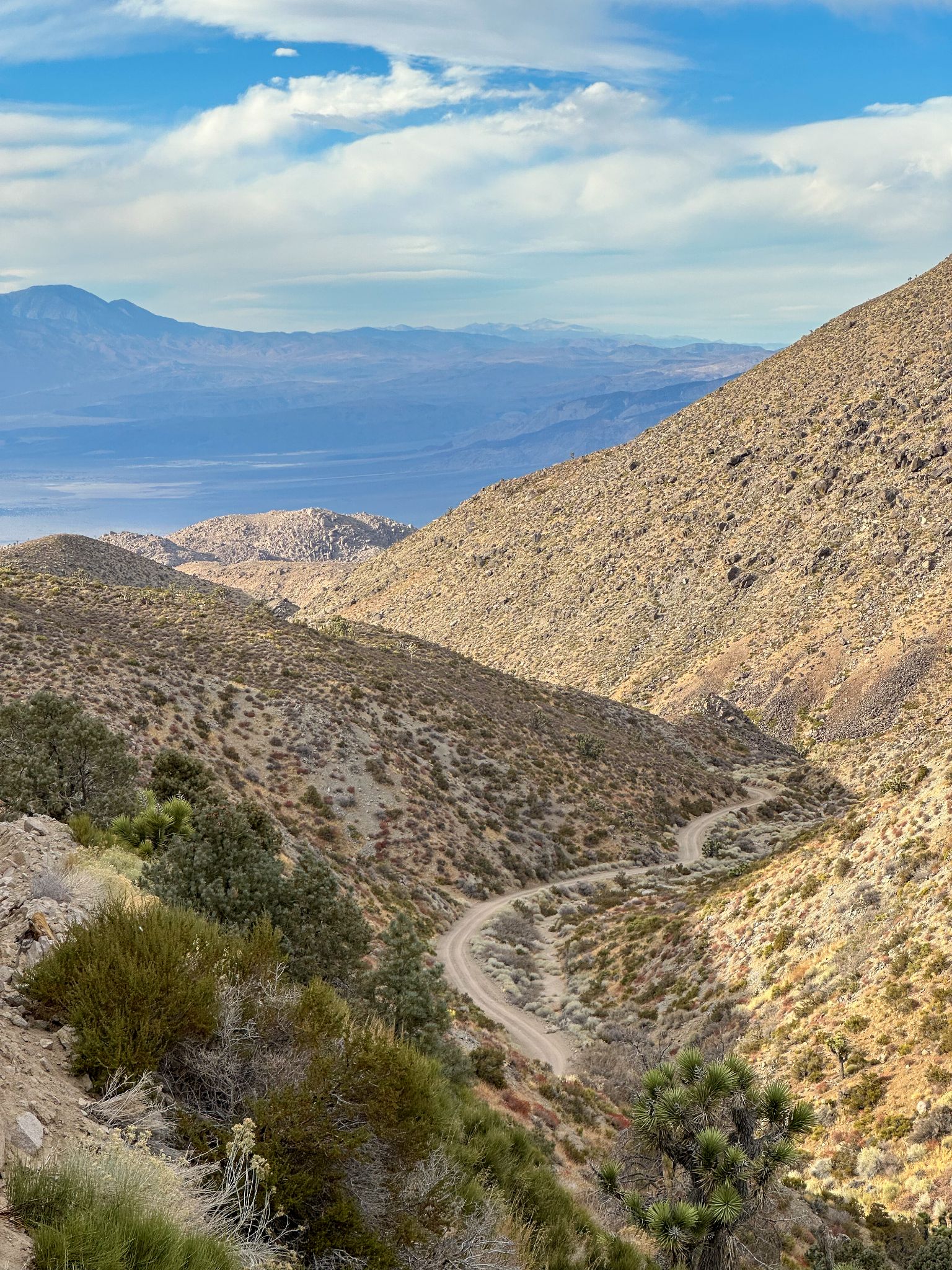
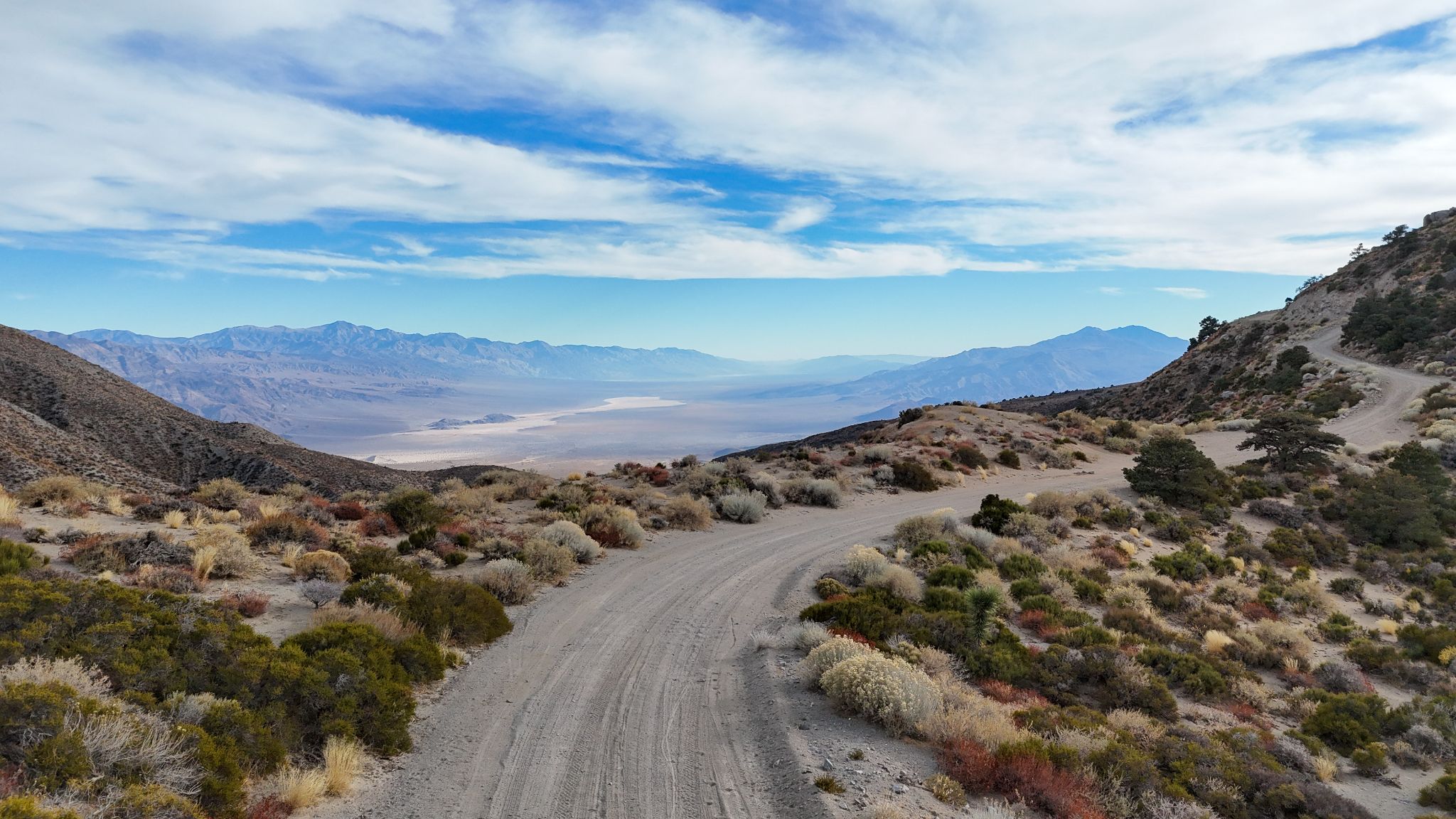
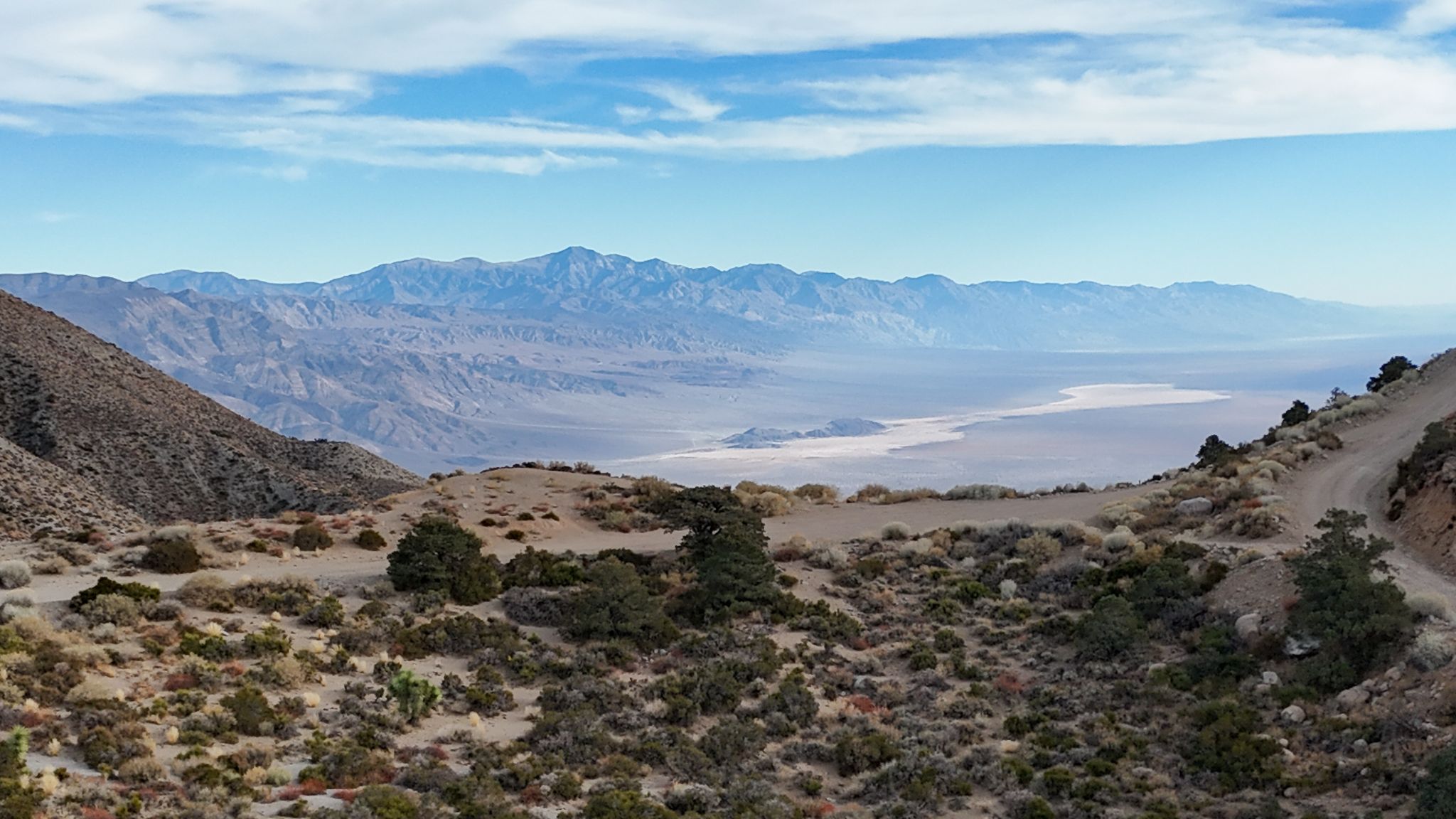
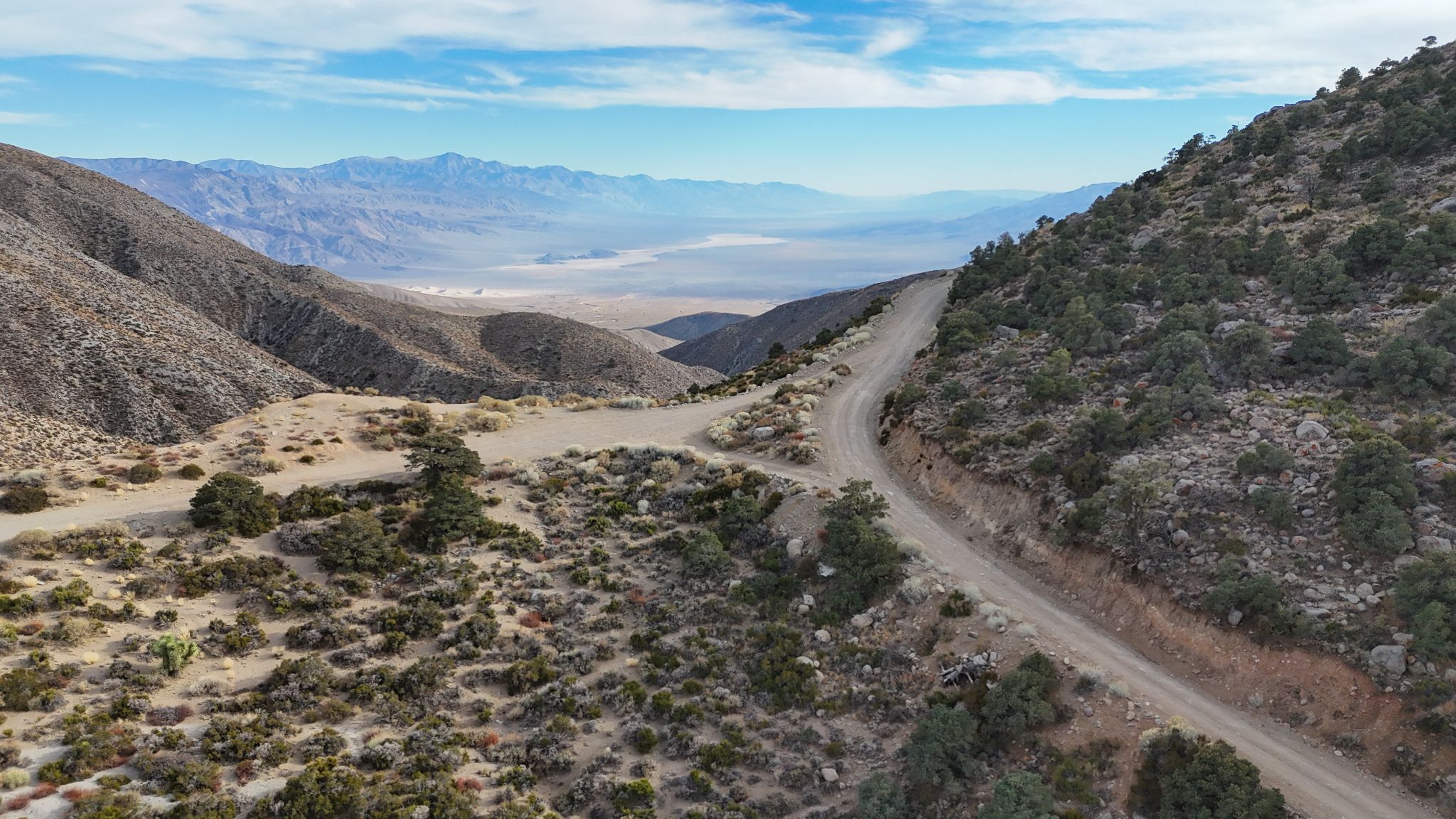
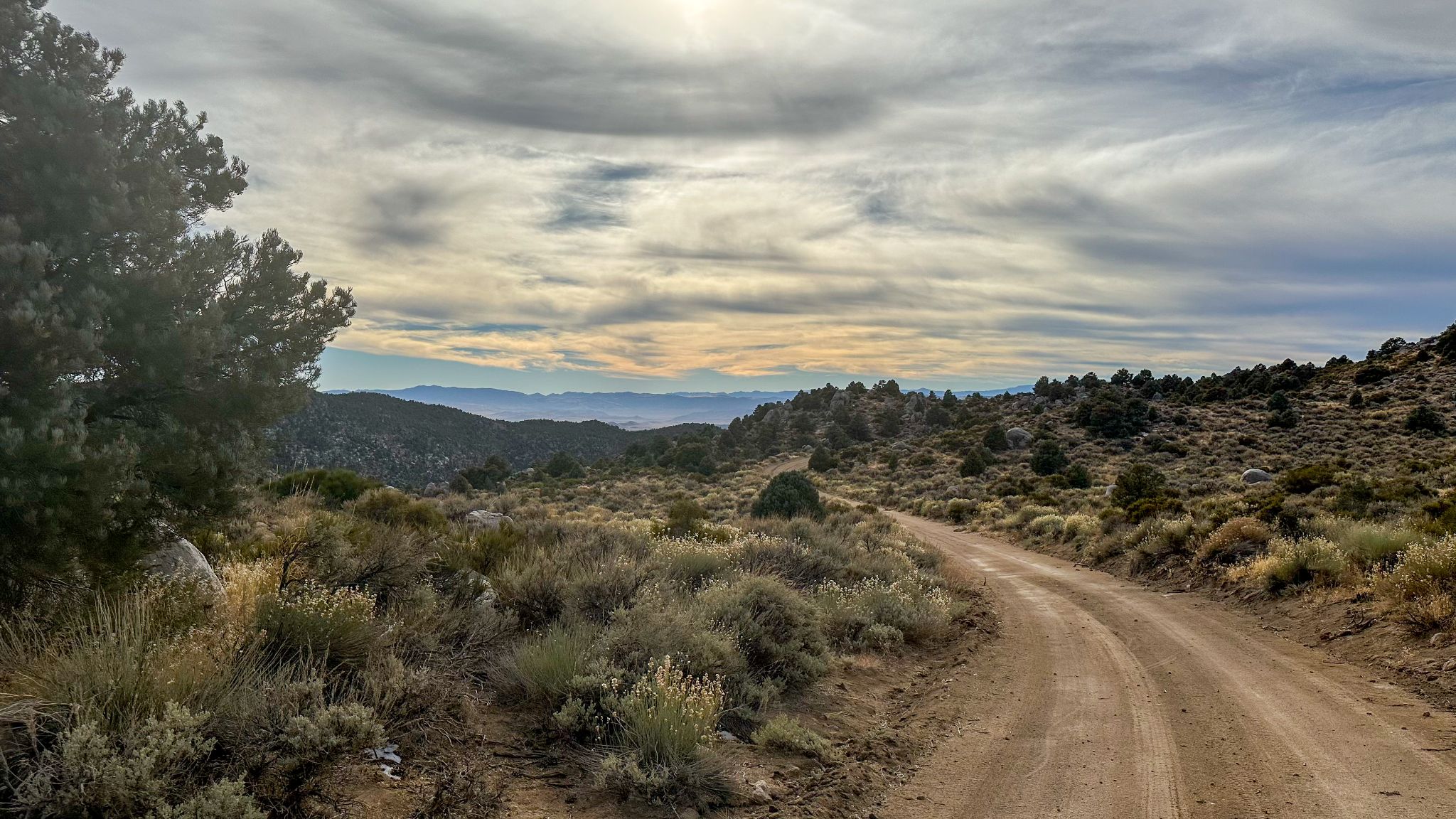
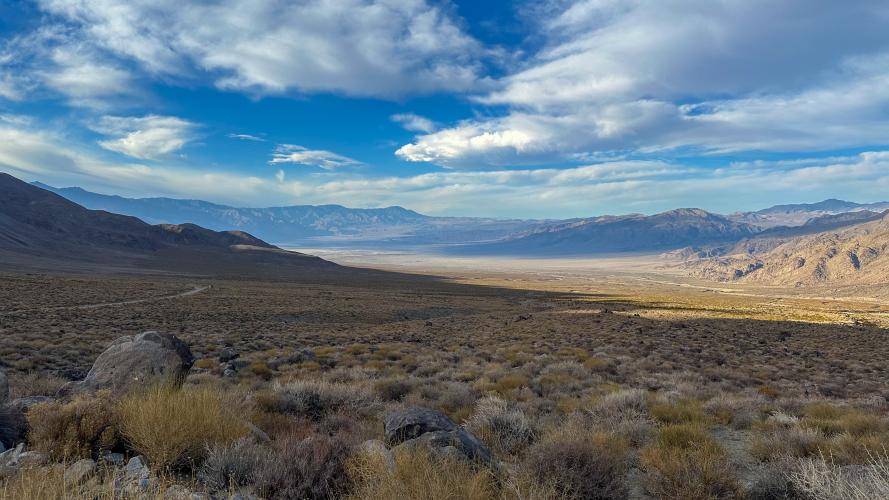
One of the most serene, spiritual rides we've done - a silent, wide-open valley giving way to a canyon climb and one of the best views anywhere in the park system from the top of South Pass.
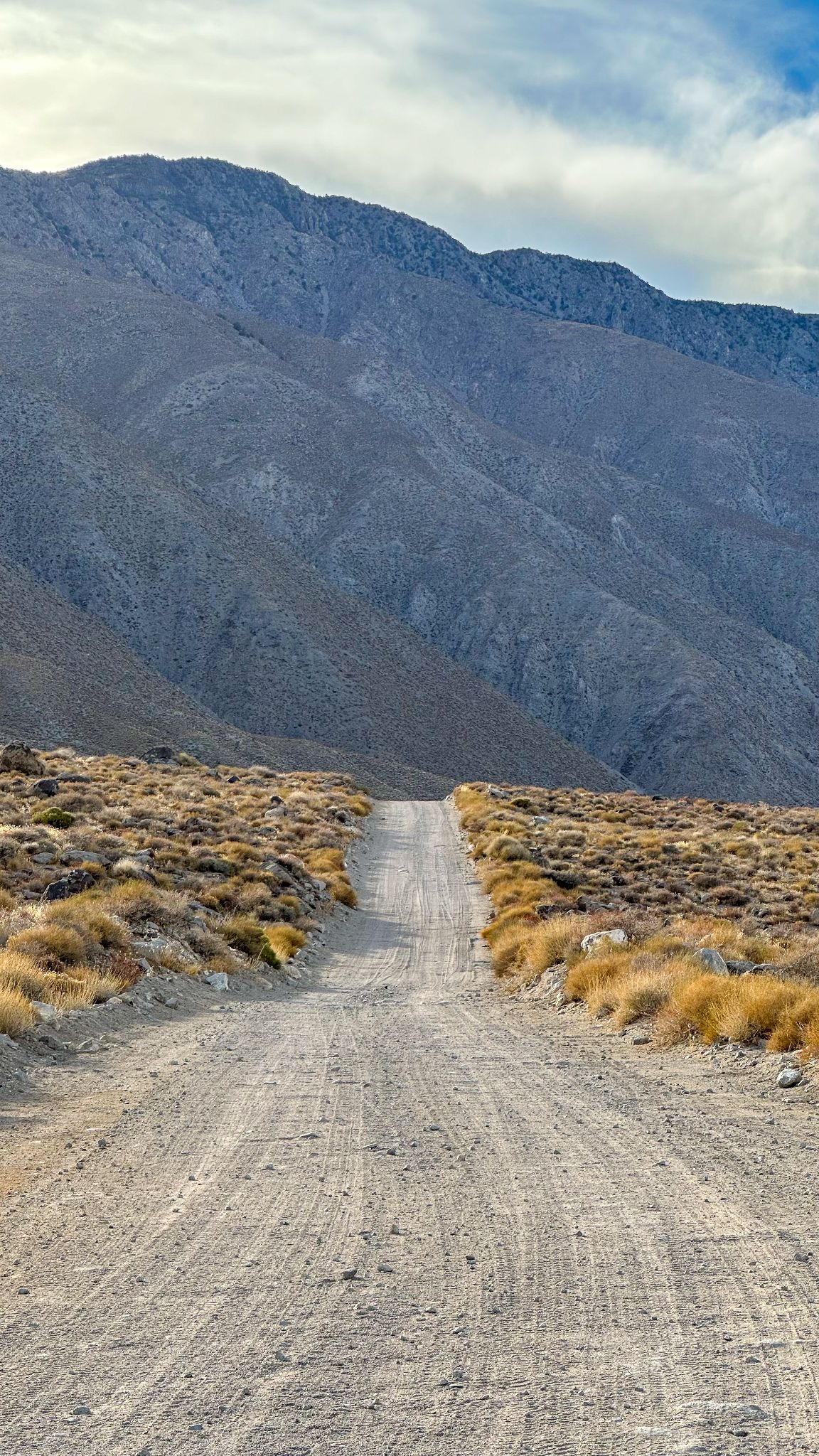
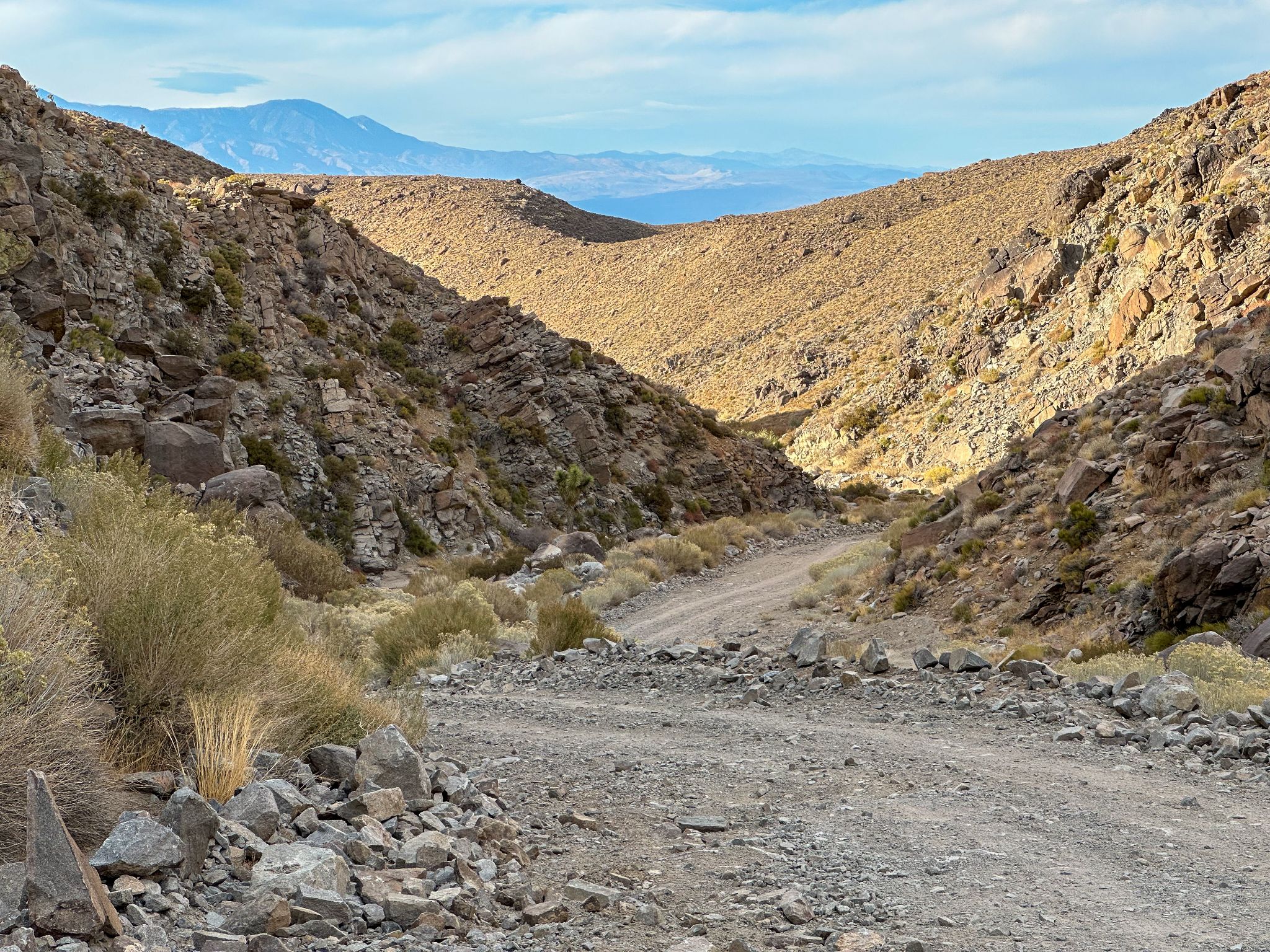
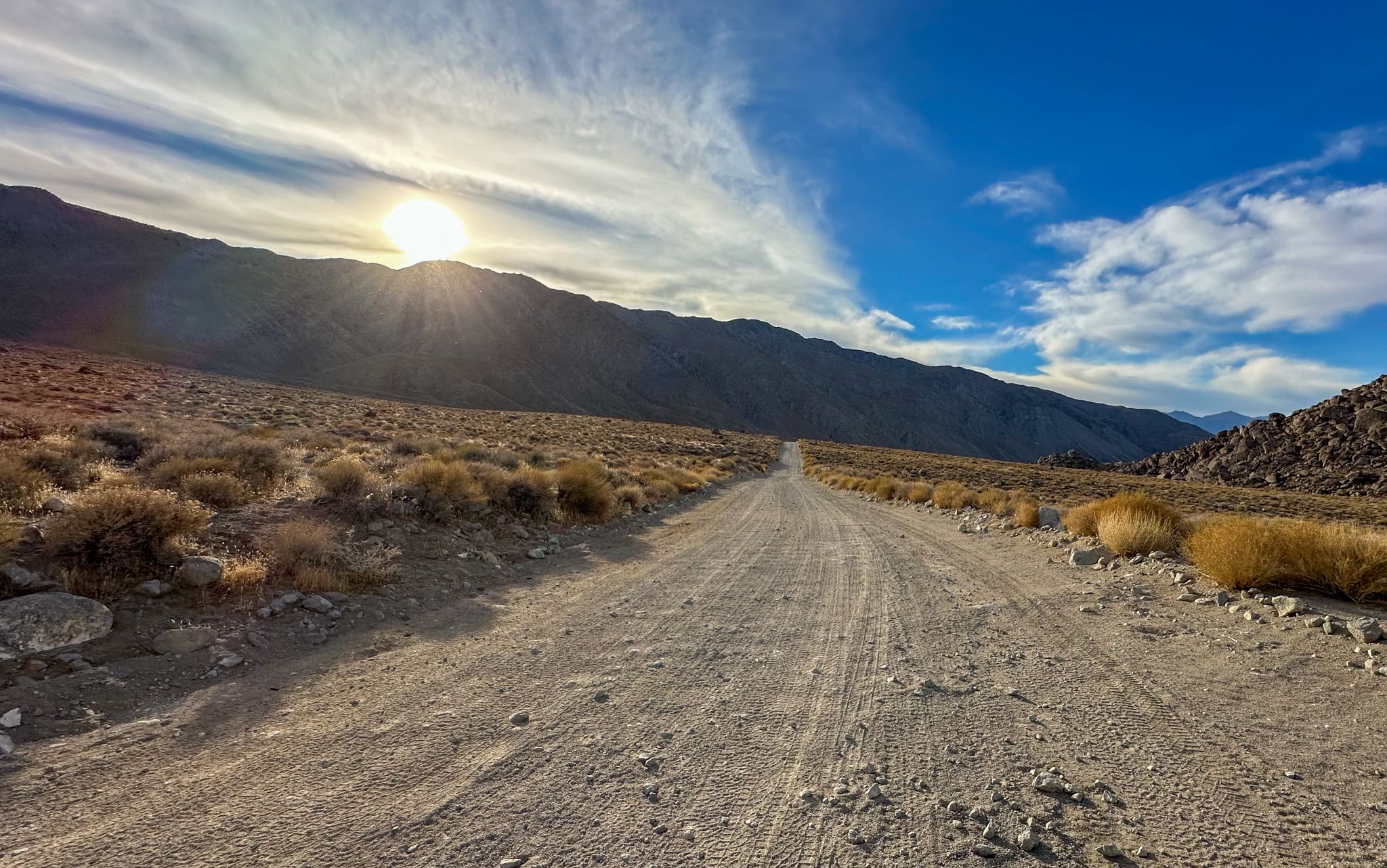
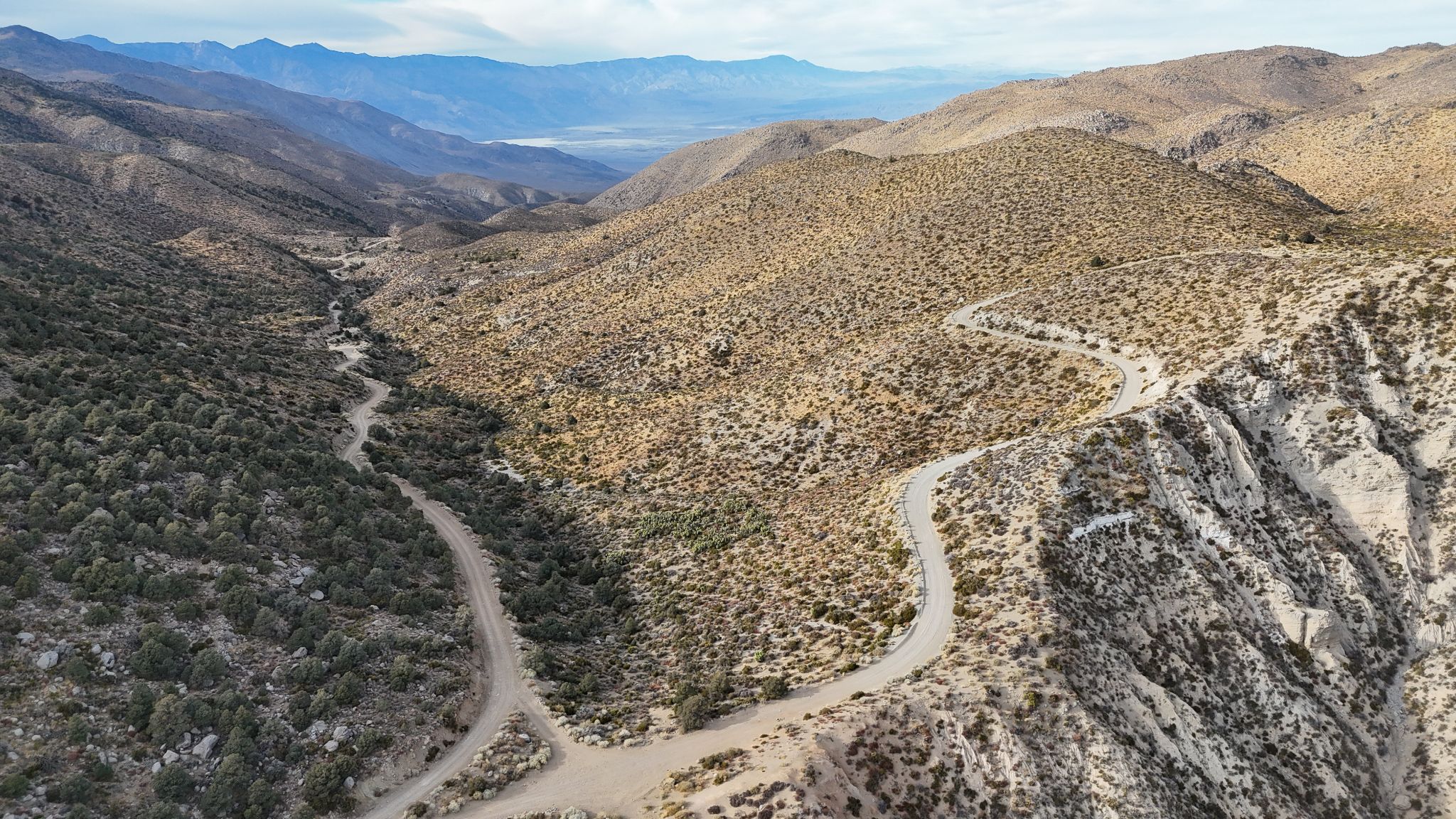
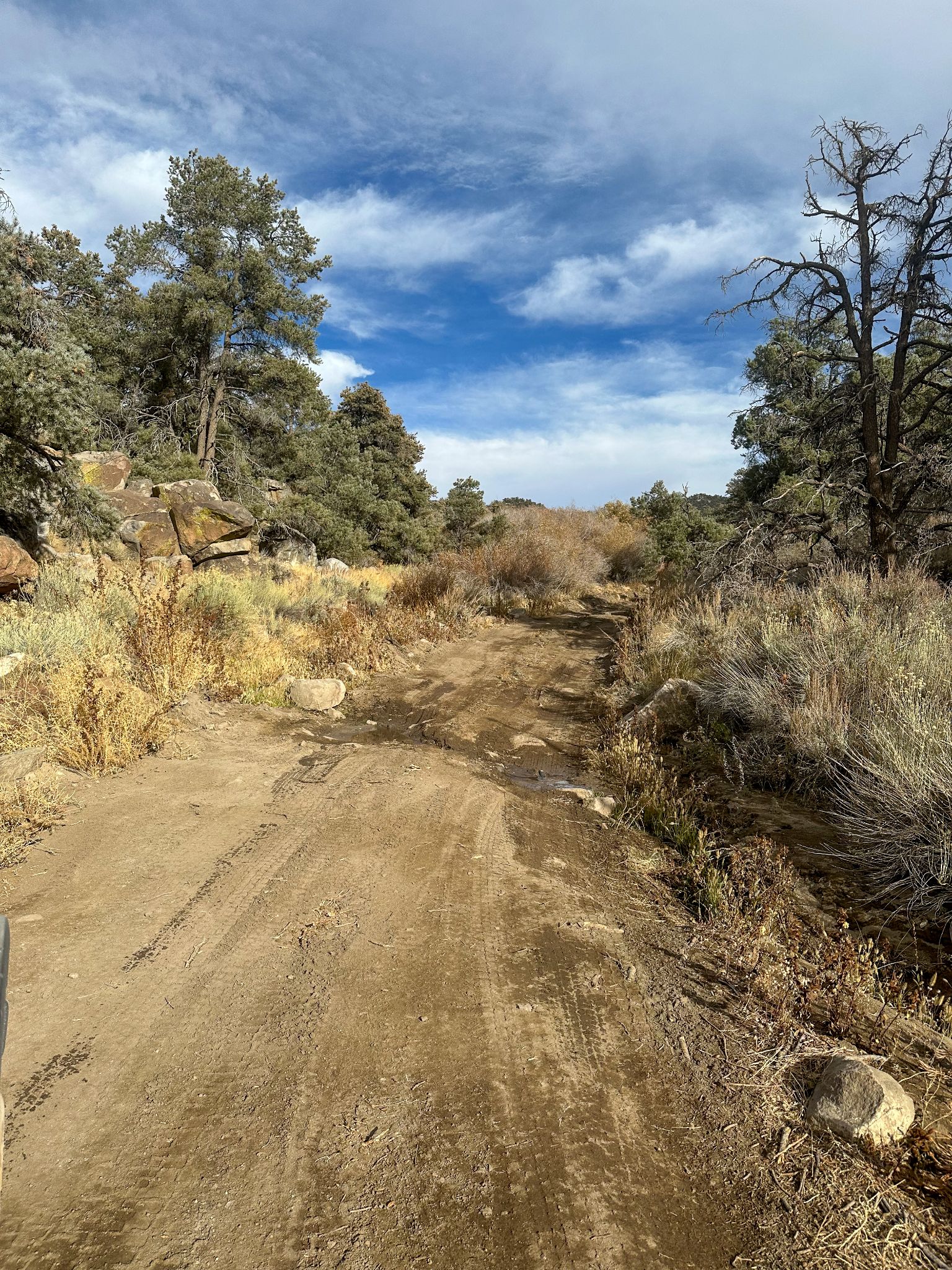
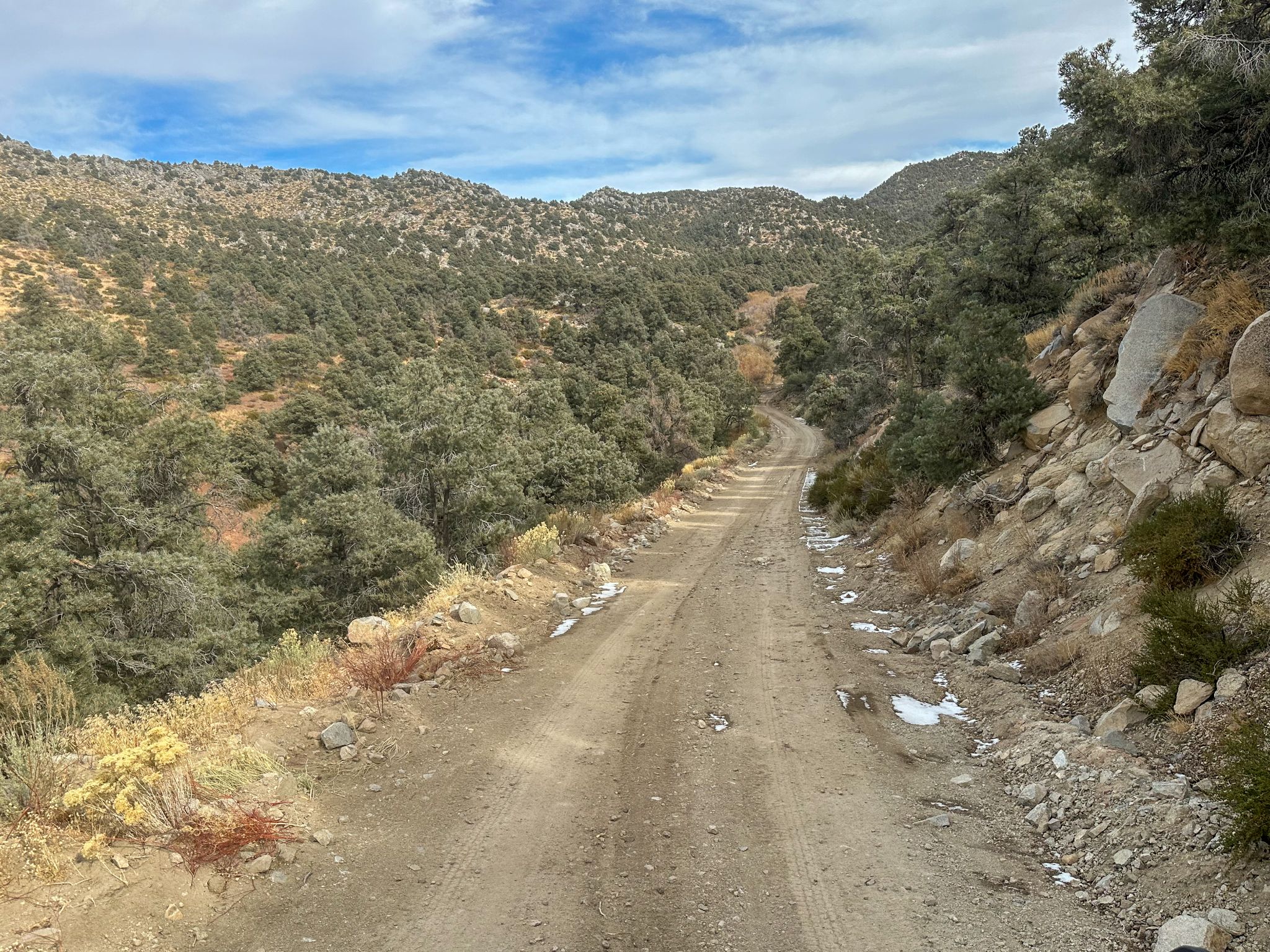
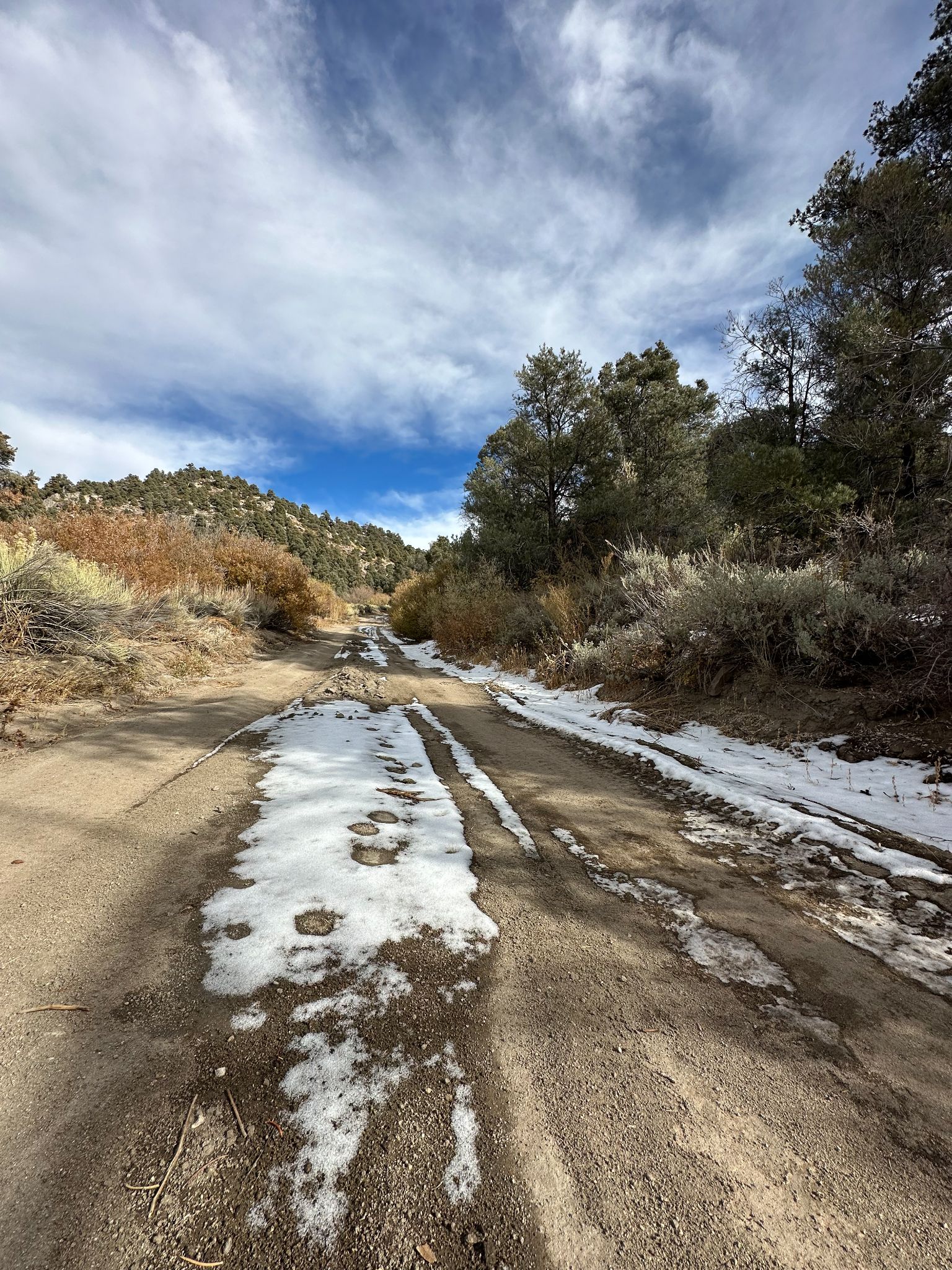
Cut in the early 1900s to haul borax and salt out of the valley, the road remains unpaved and largely unmaintained. Unusually, the surface improves with elevation - the lower canyon is roughest, rocky and washboarded, before smoothing out toward the pass, then turning messy and steep again in the final mile, which averages over 10%.
This is genuinely wild country: no cell service, no fuel, no services, with only the occasional camper or hot-springs pilgrim for company. Saline Valley Warm Springs, further down-valley, has drawn free spirits since the 1960s and joined the park in 1994. Conditions change fast after storms, so check current road status before heading out.
Saline Valley Road climbs 5,867 feet over 16.2 miles through one of the most remote stretches of Death Valley National Park, in the Saline Valley Wilderness of Inyo County. It climbs out of the valley floor and over South Pass, topping out near 7,150 feet with a dramatic overlook of Panamint Valley.
PLAN YOUR ROUTE
 We've partnered with Sherpa-Map.com to bring you the best route planning tool. With a PRO Membership you can use this climb as a reference when creating your route.
 Saline Valley Road averages 6.7% over its 16.2-mile, 5,867-foot climb to South Pass - a moderate average that hides real variation underneath. The steepest quarter-mile touches 13.8%, and the steepest full mile still averages over 10.5%, concentrated in the final push to the summit.
Gradient here isn't a steady ramp. The lower canyon section rolls and ramps unevenly, then the climb gives way to a short, sharp descent roughly halfway up - a brief breather that also means re-climbing whatever's lost. From there the road settles into a more consistent grade toward the pass before saving its steepest, roughest mile for last, where sustained double-digit gradient meets rougher gravel to make the final approach the hardest part of the day, physically and technically.
Pace the lower two-thirds conservatively - running out of legs before the steep, technical final mile is the most common way this climb goes wrong.
Roadway: Unpaved and largely unmaintained end to end - cut in the early 1900s to haul borax and salt out of the valley and never paved since. Expect a mix of rocky, corrugated washboard and loose sand. Unusually, it tends to improve with elevation: the lower canyon is roughest, the heavily-traveled middle stretch is generally smoother, and the final mile to the pass turns messy and steep again. Conditions change fast after storms - Inyo County and the NPS post closures after flooding and winter snow, and closure signage is sometimes left up year-round regardless of actual conditions, so check current status first. Run the widest, knobbiest tires you can fit (40-44mm+) and carry a spare tube or tire.
Traffic: About as light as it gets - a remote wilderness road with no towns and no cell service. The only company is the occasional high-clearance vehicle bound for Saline Valley Warm Springs or the Racetrack.
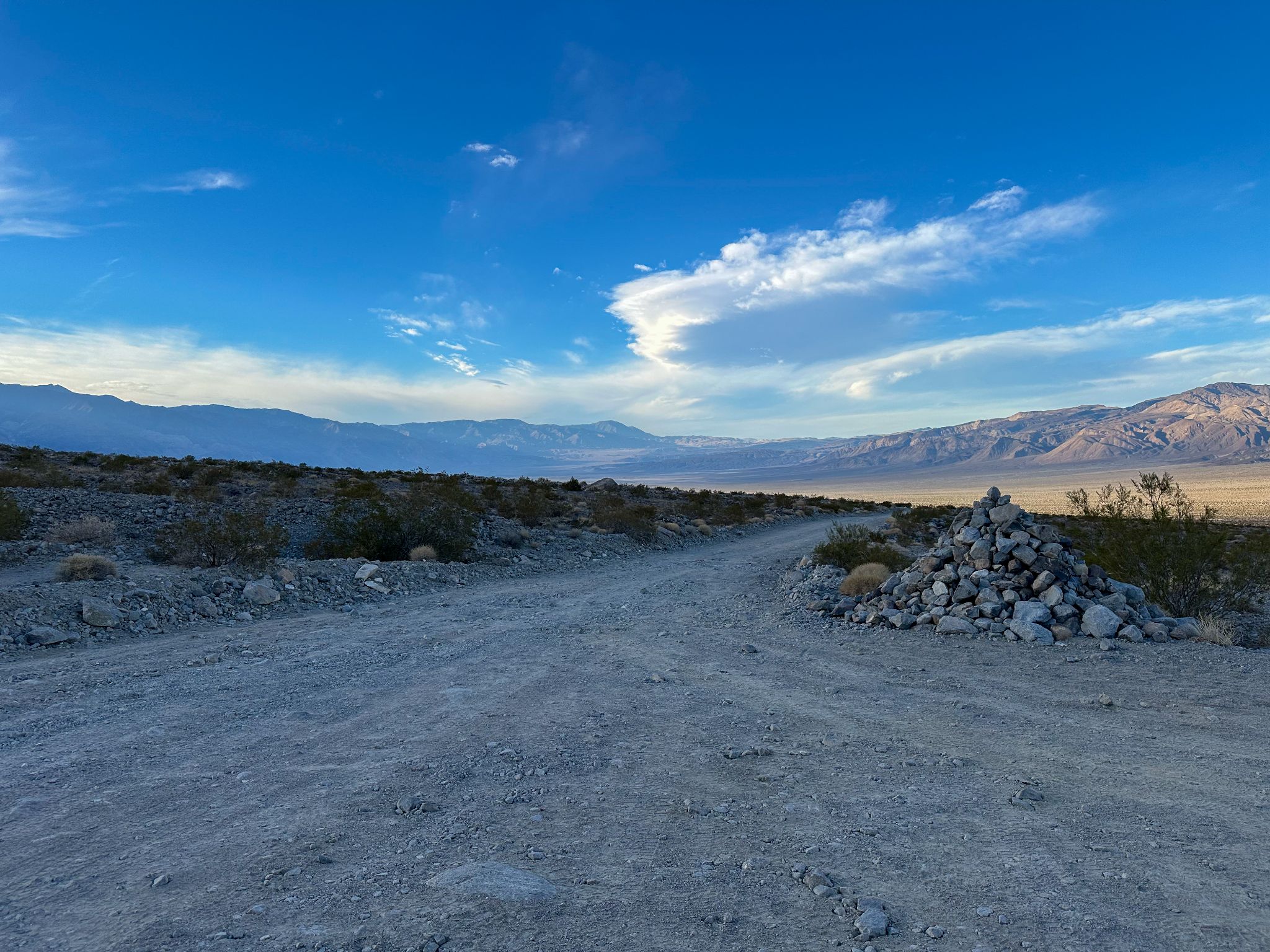
Parking: No formal trailhead or lot. Riders typically stage roadside near the base of the climbing segment, marked by a small rockpile. The nearest fuel and services are in Big Pine to the north or Panamint Springs to the south - arrive fully stocked.
This is a desert gravel climb in the true sense - come equipped like it. Use as close to mountain bike rubber as a your bike allows. Narrower or smoother tires will struggle, especially loaded with gear.
Carry at least one spare tube (or a plug kit and sealant if running tubeless) plus a pump - there's no bike shop, no cell service, and no help nearby if you flat. This climb is extremely remote; take your safety seriously.
Bring more water than you think you'll need; there are no water sources on the route. A basic repair kit, a paper map or offline GPS track, and a way to signal for help (satellite messenger) are all worth having given how remote this climb is.
Temperatures swing hard with elevation and season - the valley floor can be brutally hot in summer while the 7,150-foot summit can see snow in winter, so dress and plan for both.
Before heading out on any cycling adventure check out our Things to Bring on a Cycling Trip and use our interactive check list to ensure you don't forget anything.
Saline Valley Road sits deep inside Death Valley National Park, reached via the North Pass out of Big Pine, CA to the north or the South Pass near Panamint Springs to the south. Big Pine is the closest town with reliable fuel, food, and lodging; Panamint Springs has limited services on the south side. Plan to fuel up and stock up fully before heading in - there's nothing along the road itself.
There is no cell service anywhere on this route, so tell someone your plan and expected return time before you go, and check the National Park Service and Inyo County road-status pages for current closures - this road floods and washes out after storms and can be signed closed even when the underlying condition has improved.
If you have time to extend the trip, Saline Valley Warm Springs a bit further down-valley is a worthwhile stop, and the area's dark skies make for some of the best stargazing in California. A Death Valley National Park entrance pass is required.
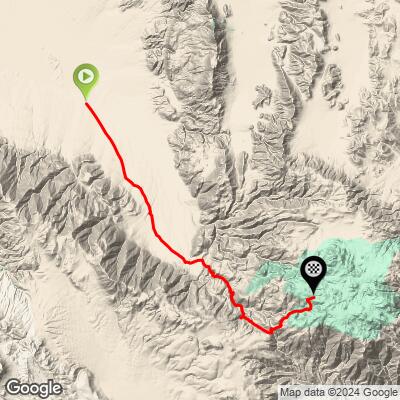
ROUTE MAP
MEMBER RATING
CURRENT WEATHER
PJAMM TRIPS ADVENTURE STARTER BUNDLES
Check out PJAMM Adventure's prepackaged (self-guided) cycling trips. They will help you plan, document and conquer your next adventure.
NEARBY CLIMBS (0) RADIAL PROXIMITY
FROM No Climbs Found
MEMBER REVIEWS & COMMENTS
Let us know what you thought of this climb. Signup for our FREE membership to write a review or post a comment.
Already have an account?
LOG IN HERE