37.5
PDI
5.1 mi
DISTANCE
3,281 ft
GAINED
12.2 %
AVG. GRADE
FULL CLIMB STATS
INTRO
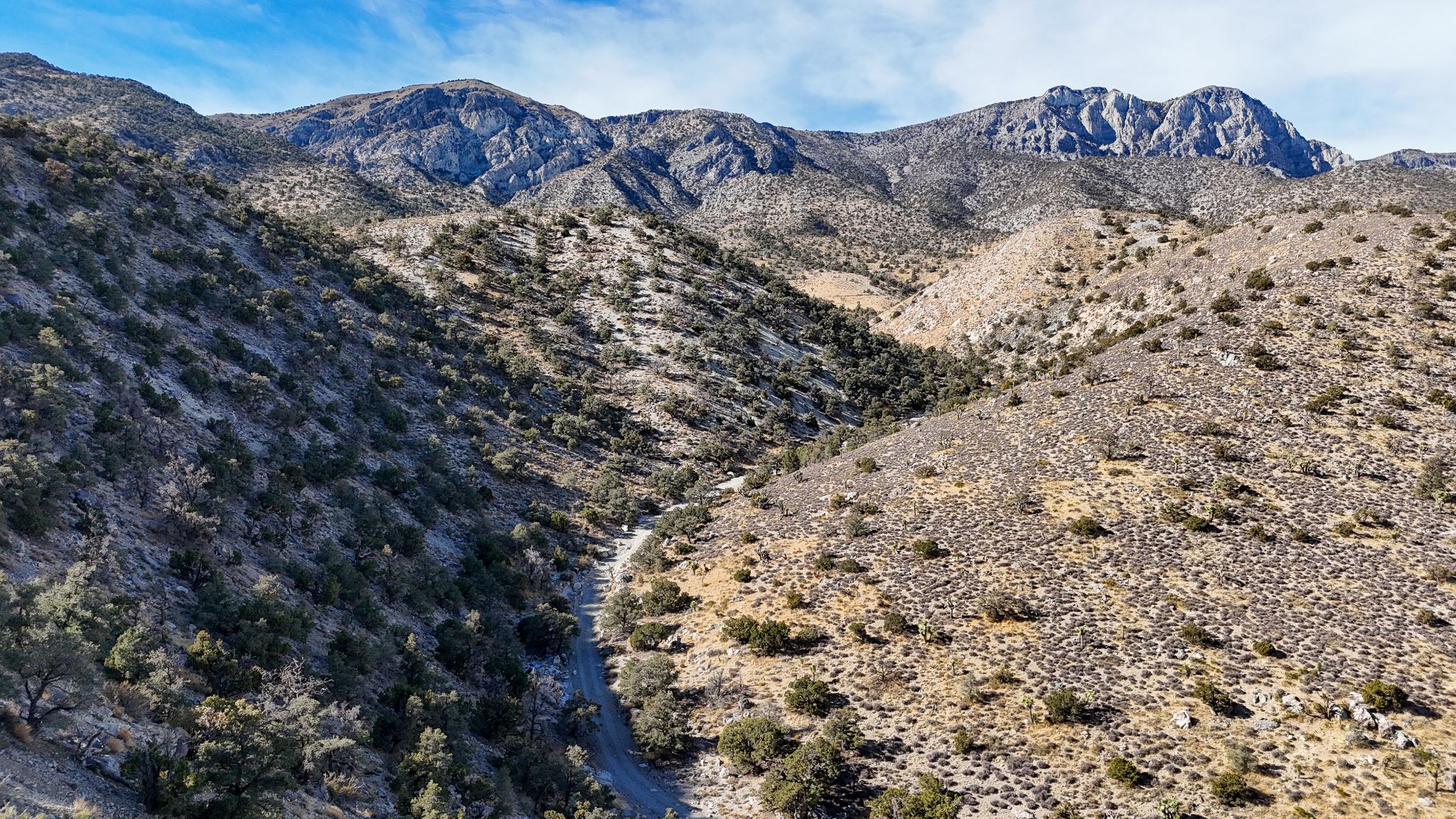
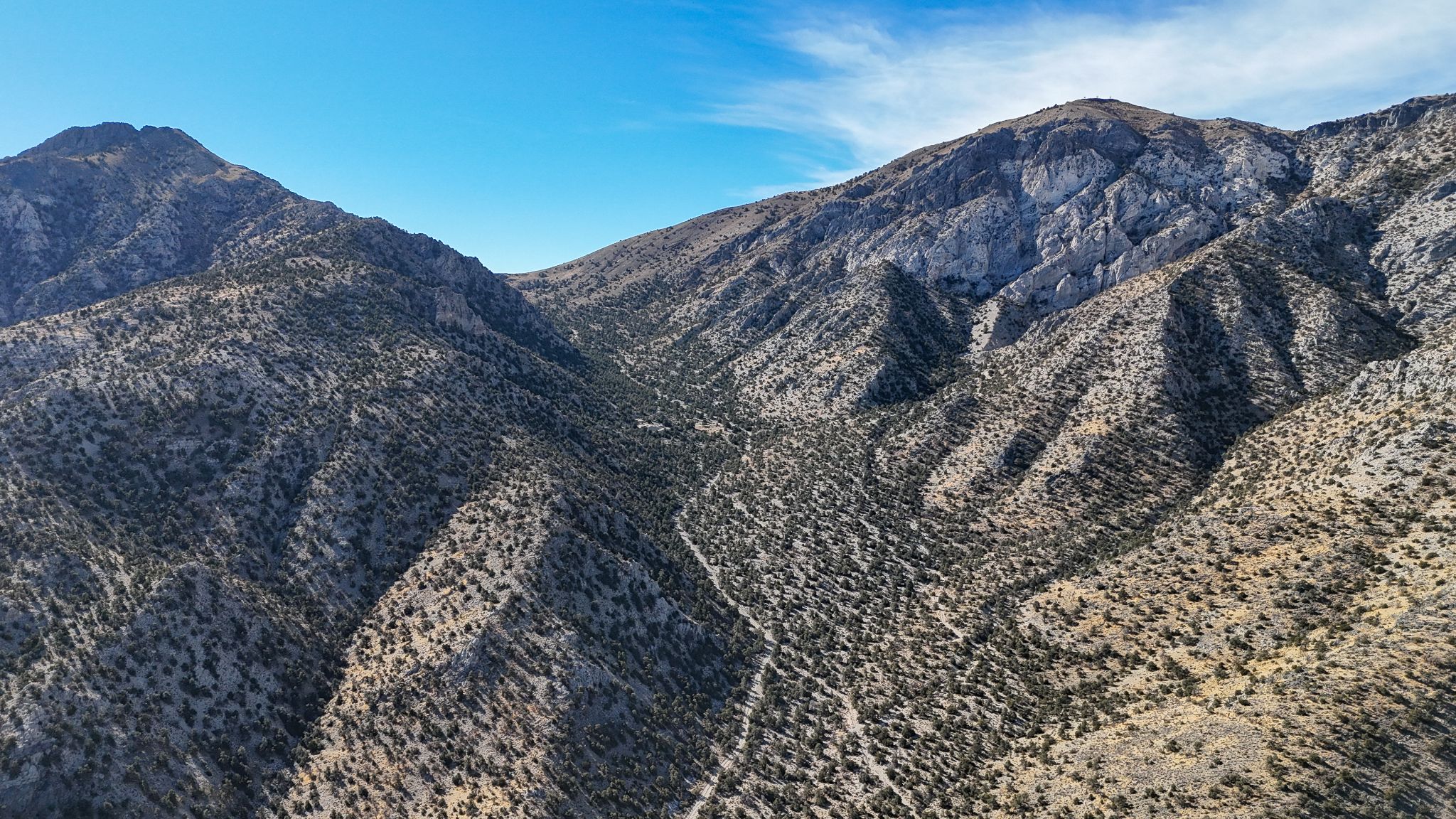
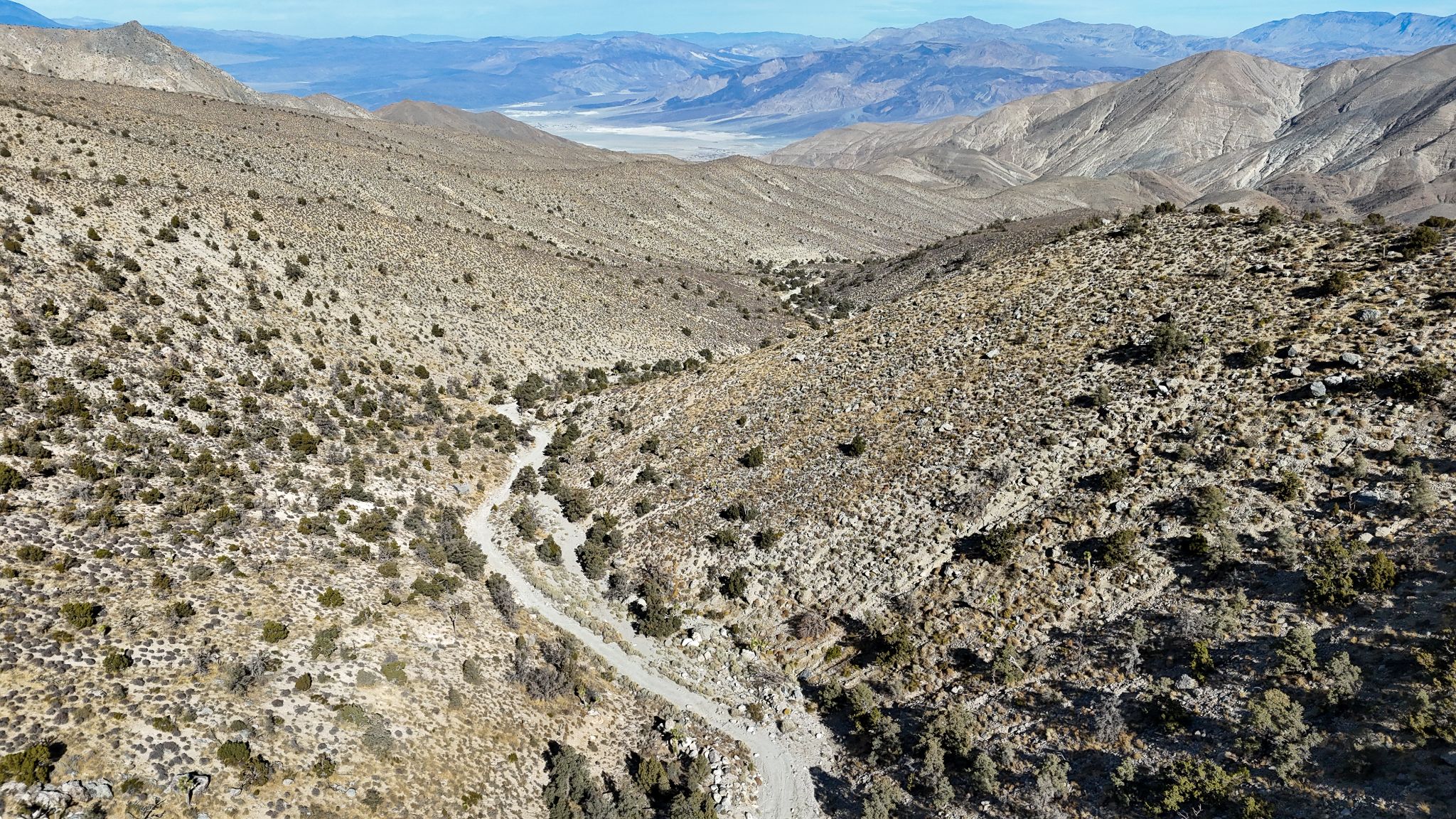
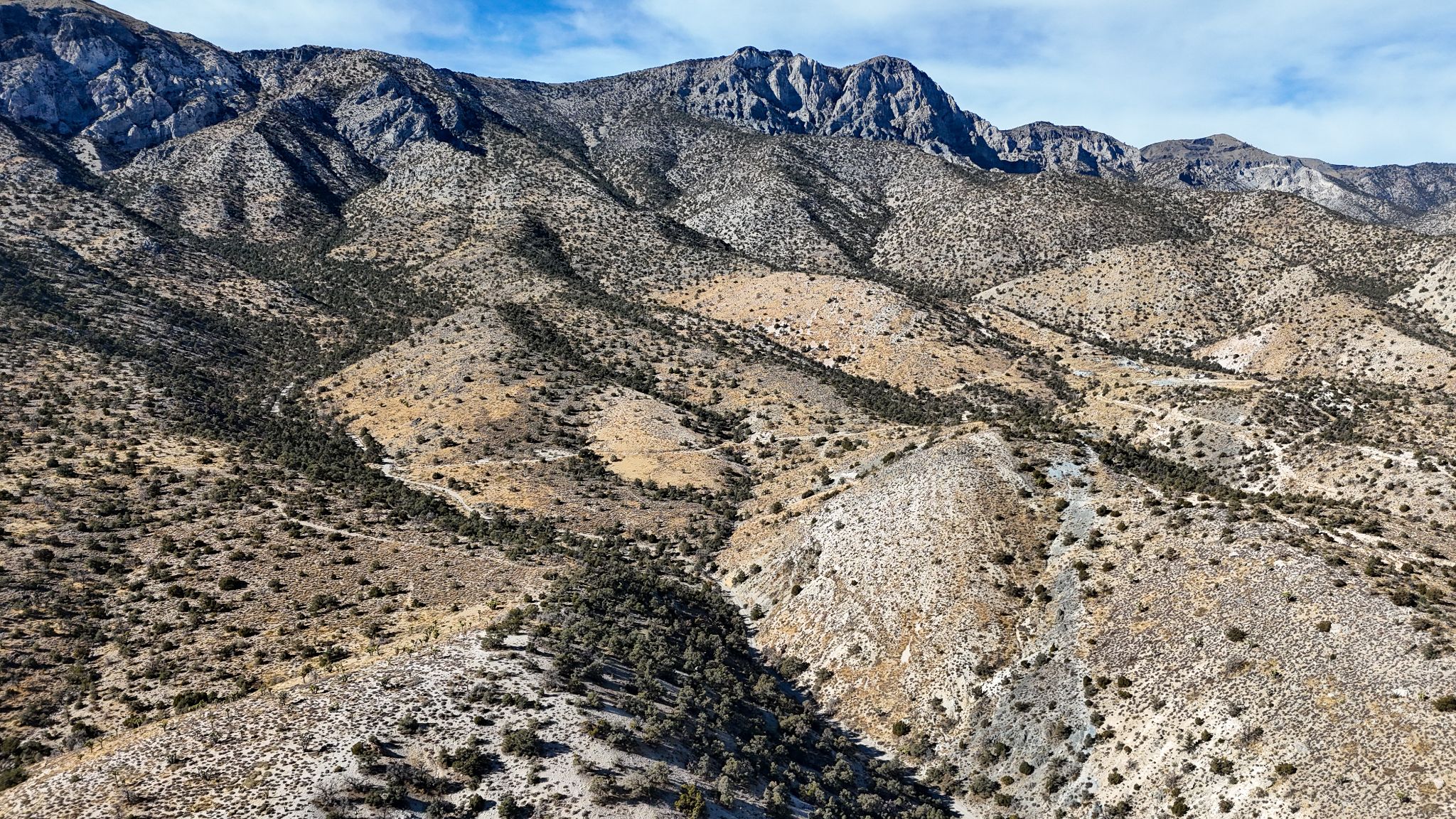
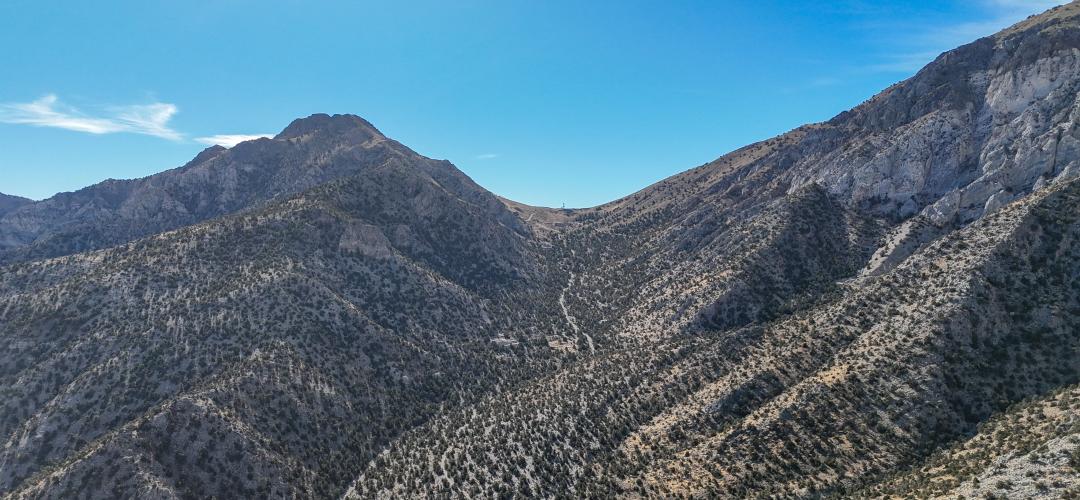
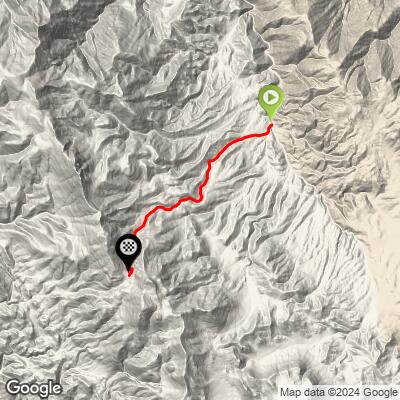
Most people who know the Cerro Gordo gravel climb know it from the west side, out of Keeler above Owens Valley - PJAMM's other, more-traveled Cerro Gordo page. This page covers the opposite, far less-traveled approach: the 5.1-mile east side, climbing 3,281 feet at a brutal 12.2% average grade from the Saline Valley side of the Inyo Mountains up to the same historic ghost town at 8,202 feet.
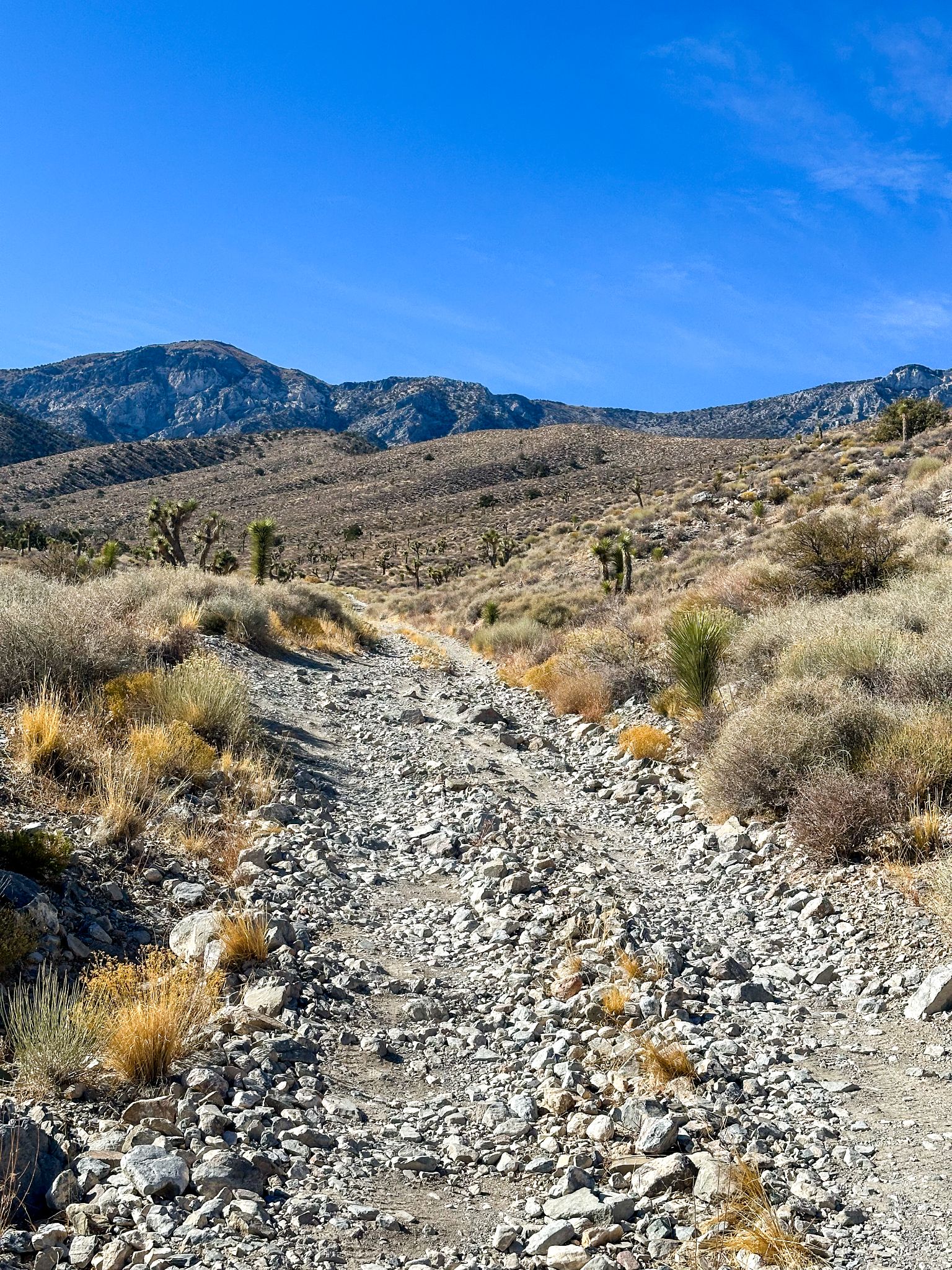
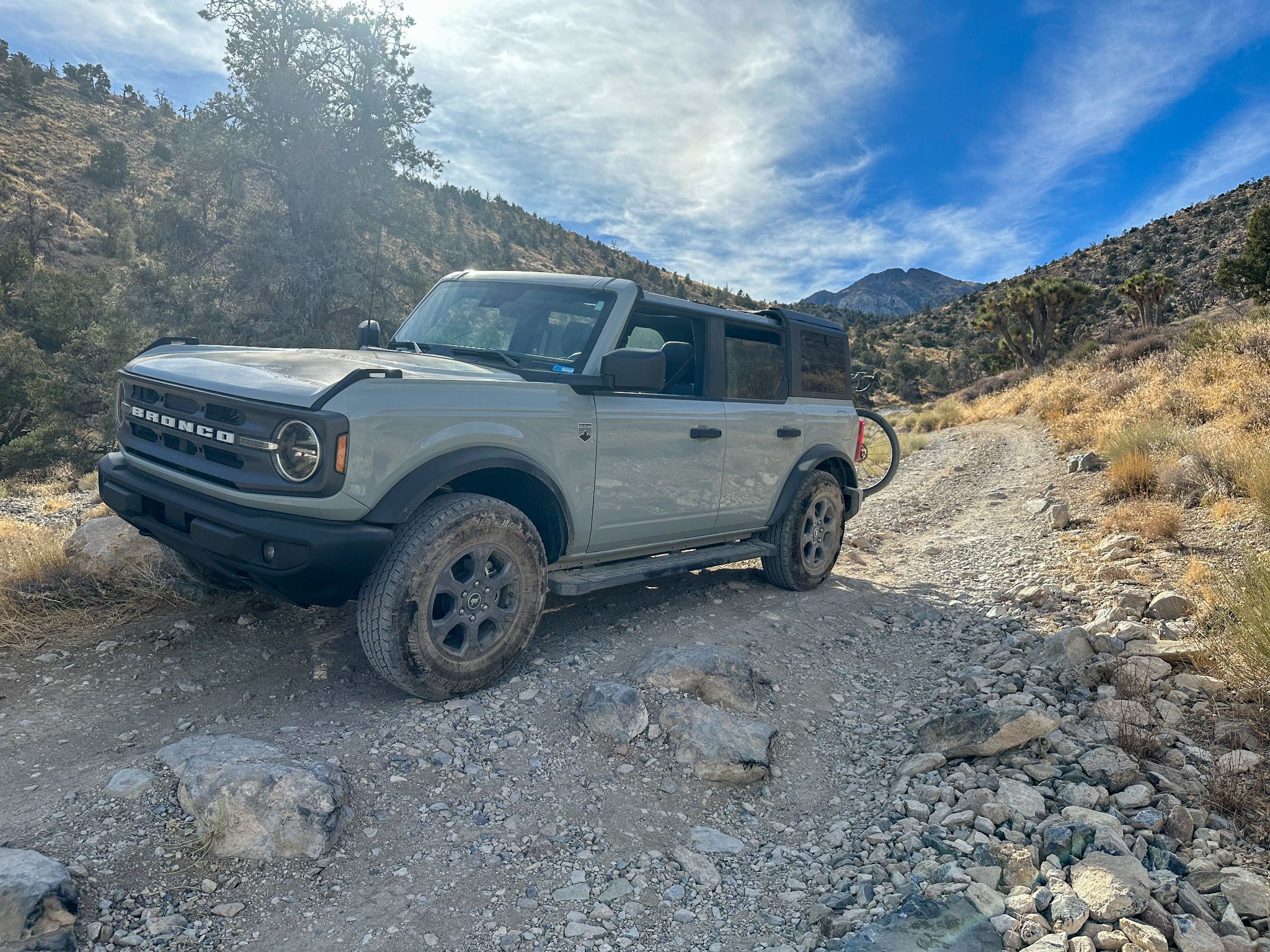
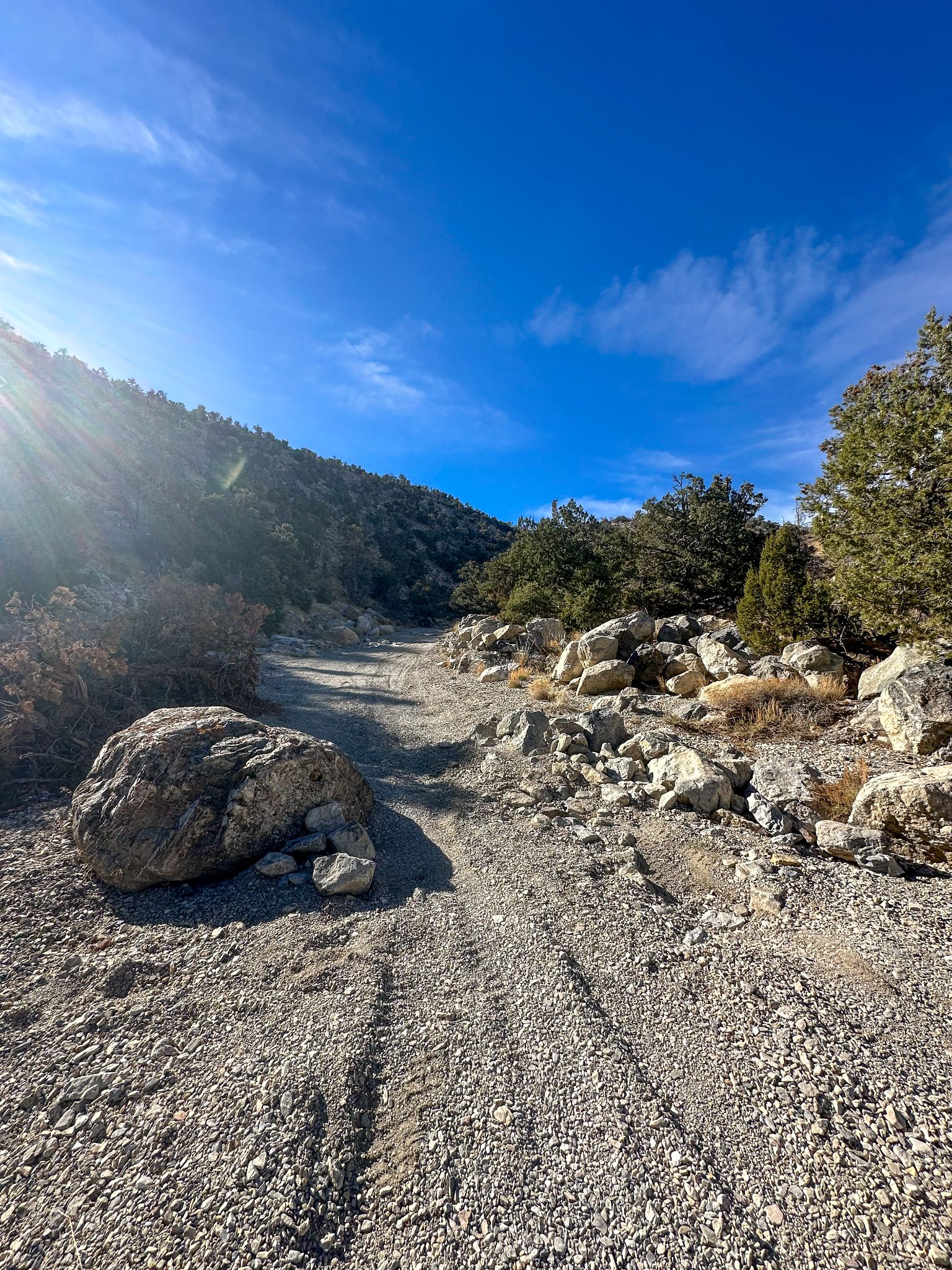
Cerro Gordo isn't a dead end - it's actually a mountain pass, and the east side is the back way in. Expect total remoteness: this is the kind of climb where you won't see another person all day, whether you ride in on a long approach or drive in on a high-clearance 4WD vehicle over roads barely passable in a car. The surface is rougher and looser than the west side - loose, rocky, and often reworked by flash flooding, since Death Valley's storms are chaotic enough to tear apart any road that isn't regularly maintained.
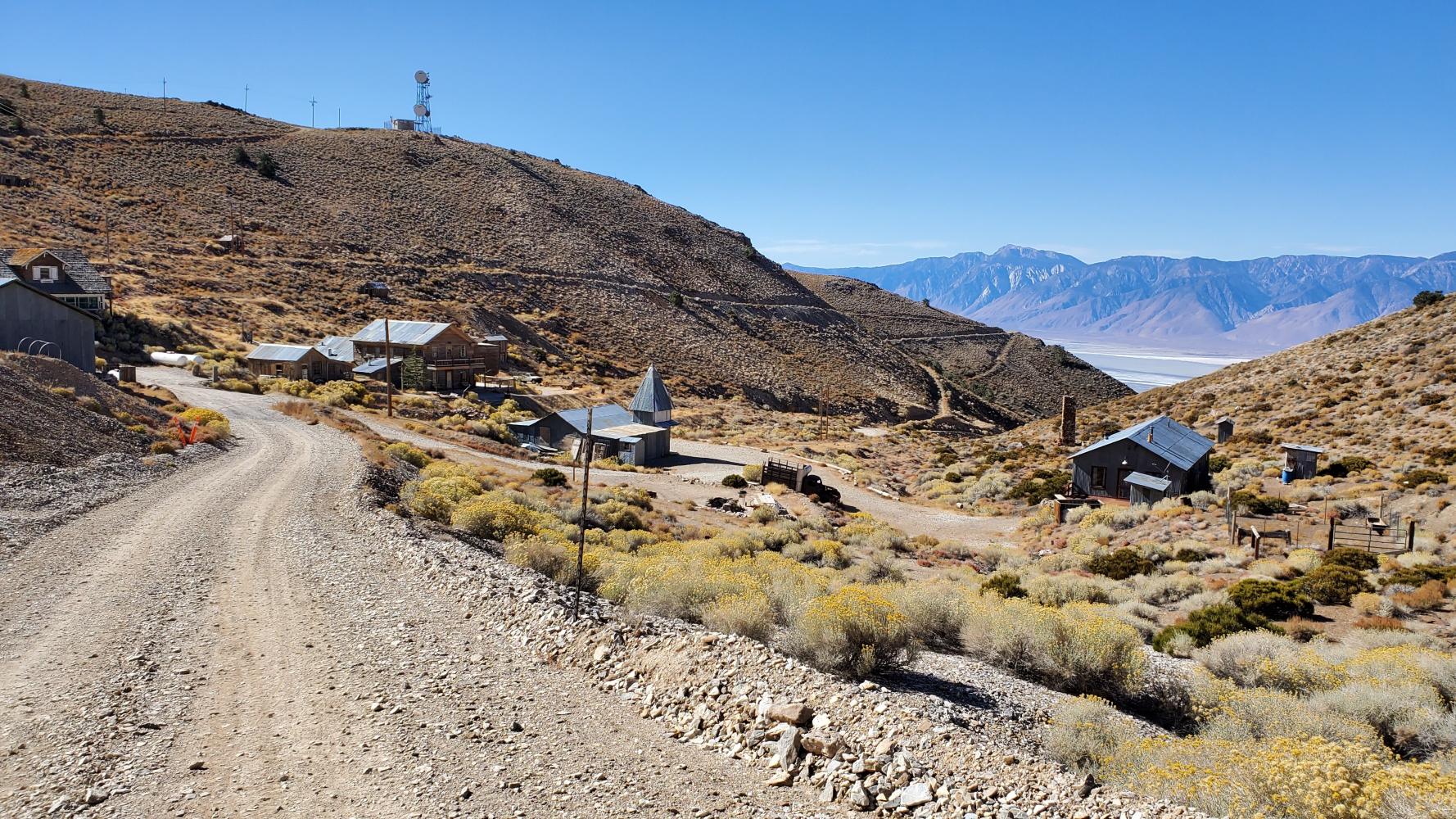
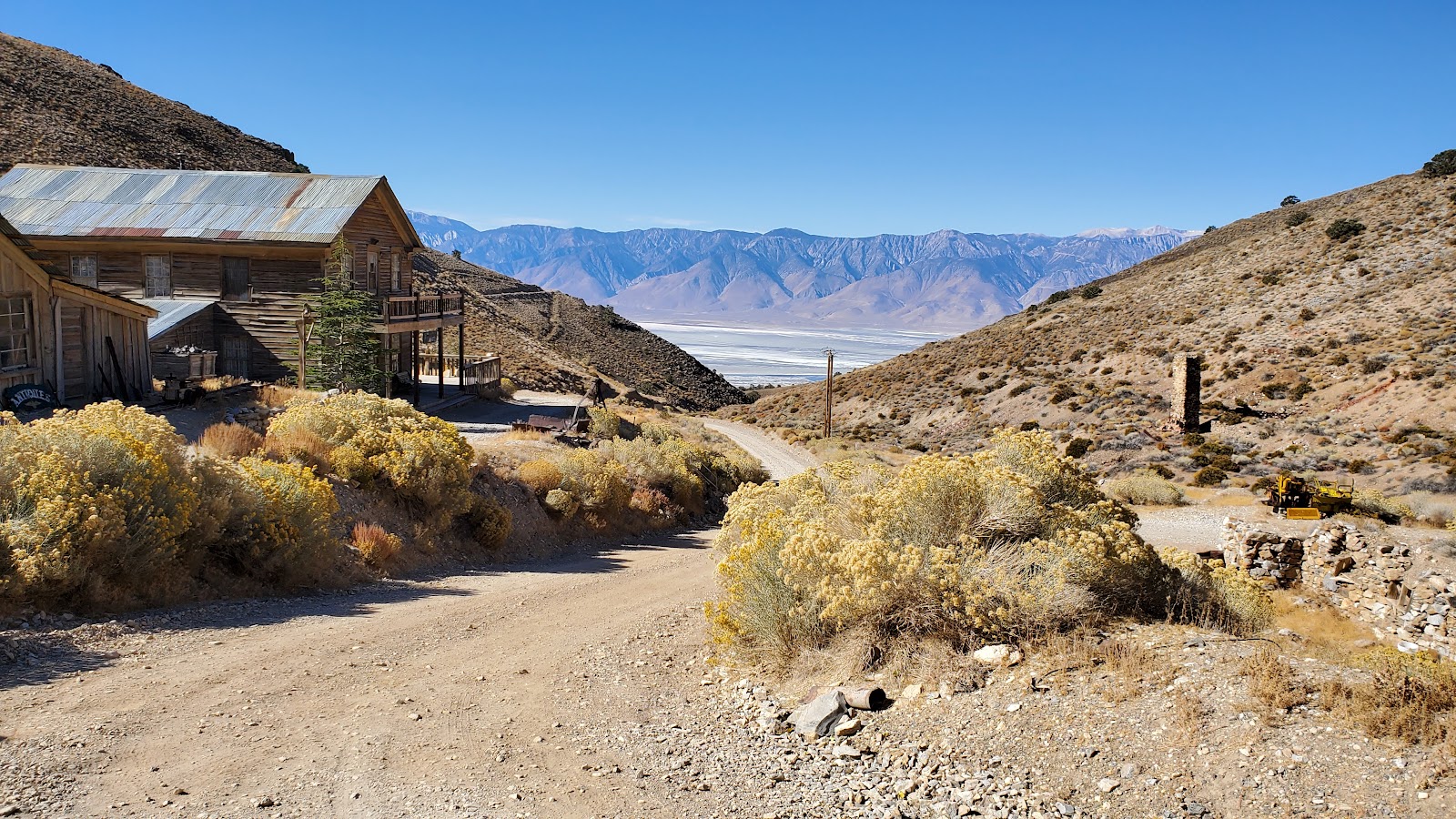
The reward at the top is real: the old silver-mining ghost town of Cerro Gordo, original buildings and mining relics still standing, plus views down into Owens Valley. This climb was also part of "The Impossible Route: Death Valley," the 2021 gravel bikepacking documentary following Jeremiah Bishop and Tyler Pearce through 760 miles of Mojave backcountry. Plan on some hike-a-bike near the rockiest sections, and check current Death Valley National Park road conditions before heading out.
PLAN YOUR ROUTE
 We've partnered with Sherpa-Map.com to bring you the best route planning tool. With a PRO Membership you can use this climb as a reference when creating your route.
 The east side climbs 3,281 feet in just 5.1 miles for a brutal 12.2% average - noticeably steeper than the classic west-side ascent. PJAMM's segment data shows the opening quarter-mile averaging near 17.5% and the first full mile holding around 15.6%, about as hard an opener as any climb in the PJAMM database.
Grades ease slightly through the middle of the climb but never go easy - the 2.5-mile split still averages 13.8%. There's essentially no recovery on this road; it's a sustained, punishing grade from the first pedal stroke to the ghost town at the top.
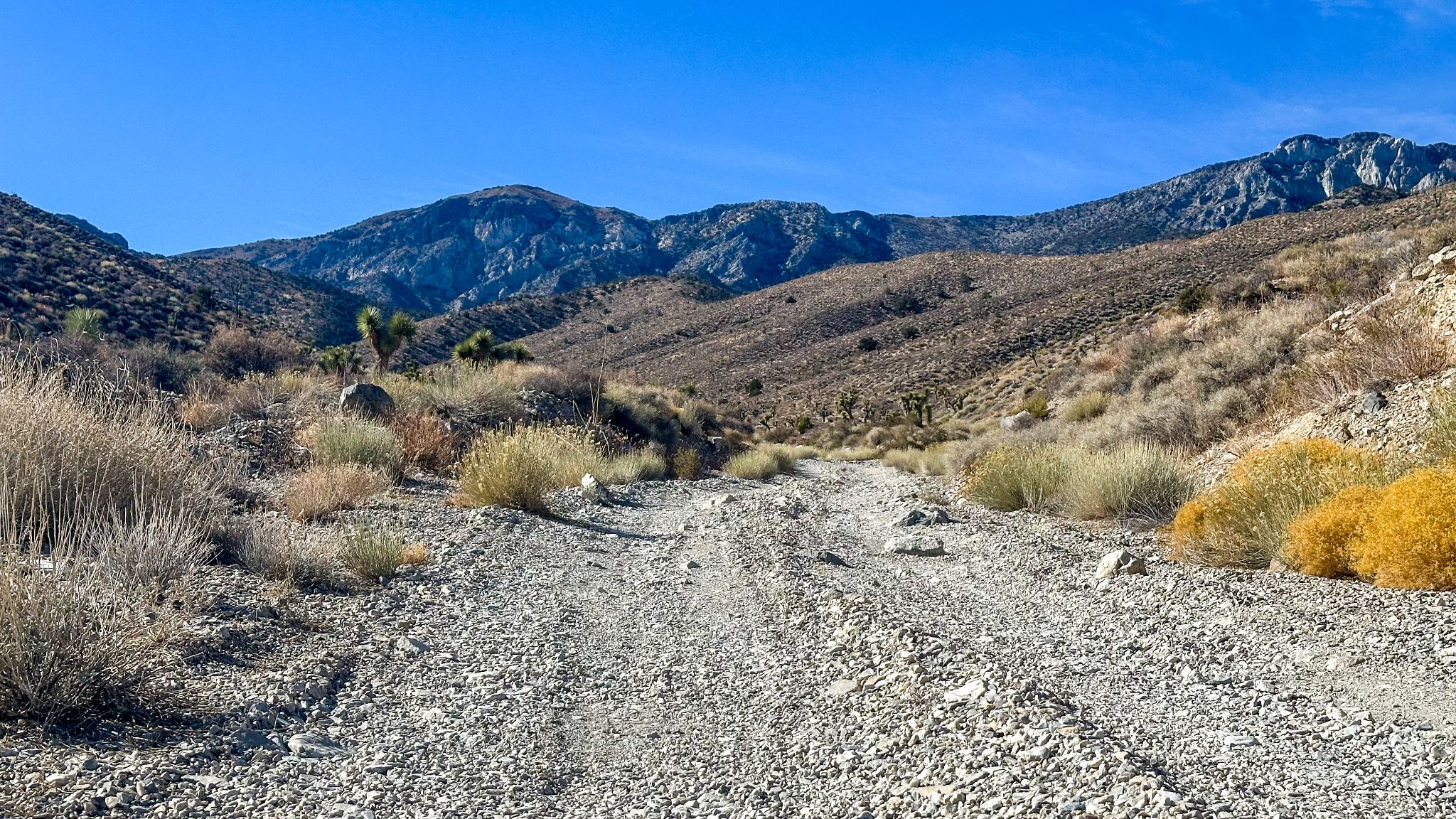
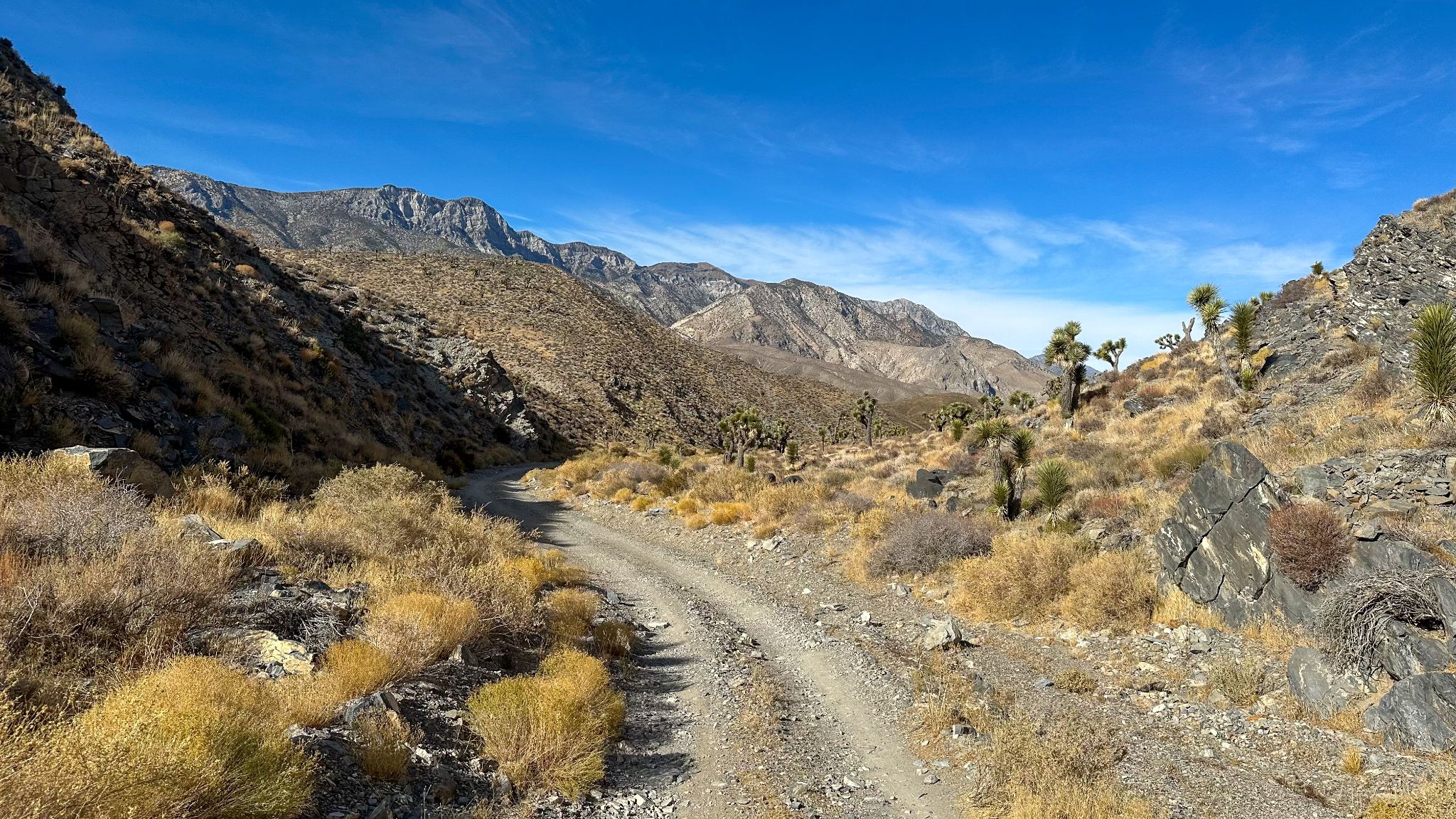
**Roadway:** This is one of the roughest surfaces in the entire Death Valley gravel network. The road is loose and rocky right from the first turn, and PJAMM's own riders rate it a 4 to 5 out of 5 on the difficulty scale - meaning it's barely passable even in a capable 4WD vehicle, let alone a standard car. Riders who've done it recommend the widest, knobbiest tires you can fit and carrying a spare tube or two. Like most Death Valley climbs, surface quality is a moving target that depends on recent weather - flash floods regularly rework these back roads, so a route that was rideable last month may be washed out today.
**Traffic:** There's essentially none. This is one of the most remote climbs in the PJAMM database - riders report not seeing another soul all day. That's a feature for solitude-seekers but a real safety consideration: come prepared for total self-sufficiency.
**Parking:** There's no formal trailhead. Most riders drive in on high-clearance 4WD vehicles via Saline Valley Road and park informally near the base of the climb in Lee Flat - itself over an hour's drive from the nearest pavement. Check current Death Valley National Park road status before making the trip, since washouts can close access with no warning.
Run the widest, most aggressive tires you can fit - think mountain-bike-adjacent, not standard gravel. A real-world setup that's worked here is a 44mm knobby front and 40mm knobby rear. Bring at least one spare tube (two is safer) and a way to boot a sidewall cut, since the rocky surface is hard on tires alike. This is a self-supported climb in every sense: carry all the water you'll need for the day, plus real backcountry navigation, since there's no cell service and no services of any kind out here.
Before heading out on any cycling adventure check out our Things to Bring on a Cycling Trip and use our interactive check list to ensure you don't forget anything.
This climb sits deep in the Inyo Mountains above Death Valley, and getting to the start is its own expedition - plan on over an hour of driving on remote dirt roads just to reach the base, typically via Saline Valley Road or the Panamint Valley side. Check current Death Valley National Park road conditions and any active closures before you go; the backcountry roads here wash out often enough that a route open last season may not be open this one. At the top, the historic Cerro Gordo ghost town offers a look at the area's silver-mining history, with guided tours of the old buildings sometimes available. Bring everything you need for the full day - fuel, food, and water - since there's nothing out here once you leave pavement.
ROUTE MAP
MEMBER RATING
CURRENT WEATHER
PJAMM TRIPS ADVENTURE STARTER BUNDLES
Check out PJAMM Adventure's prepackaged (self-guided) cycling trips. They will help you plan, document and conquer your next adventure.
NEARBY CLIMBS (0) RADIAL PROXIMITY
FROM No Climbs Found
MEMBER REVIEWS & COMMENTS
Let us know what you thought of this climb. Signup for our FREE membership to write a review or post a comment.
Already have an account?
LOG IN HERE